This wonderful little story teaches us about counting to ten on our fingers and toes, but also about how even though children may have different backgrounds, we are also the same.
Category Archives: EQ and life skills resources
EQ and Life Skills – On Monday when it rained read by Teacher Linda
Join Teacher Linda for this wonderful story that explores various emotions, facial expressions and the days of the week too.
EQ and Life Skills – Insect Yoga

Taking time to focus, breathe and connect with nature has a wonderful calming effect on the whole nervous system even for little ones. Benefits also include: stretching of the muscles, developing body strength and working on balance.
Let’s spend some time in nature this week, breathing deeply and trying out some of these insect yoga poses.
Pretend to be a butterfly flapping your wings and smelling all the colourful flowers as you close your eyes and breathe deeply
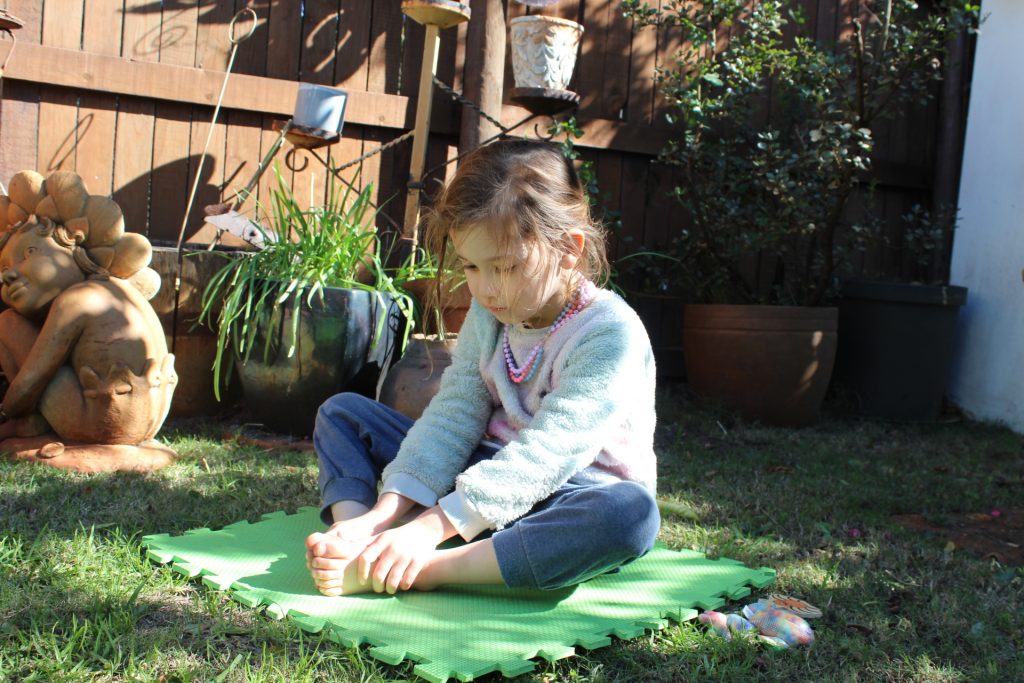
Pretend to be a frog catching a fly…I, 2, 3 jump
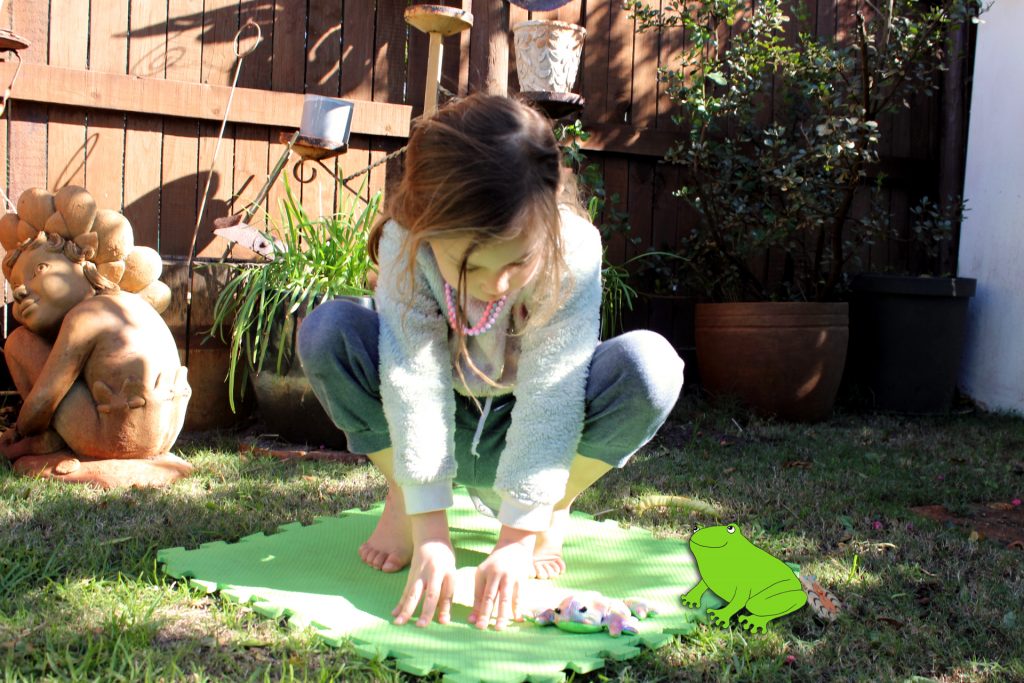
Pretend to be a spider with all your spider legs sitting quietly on your web
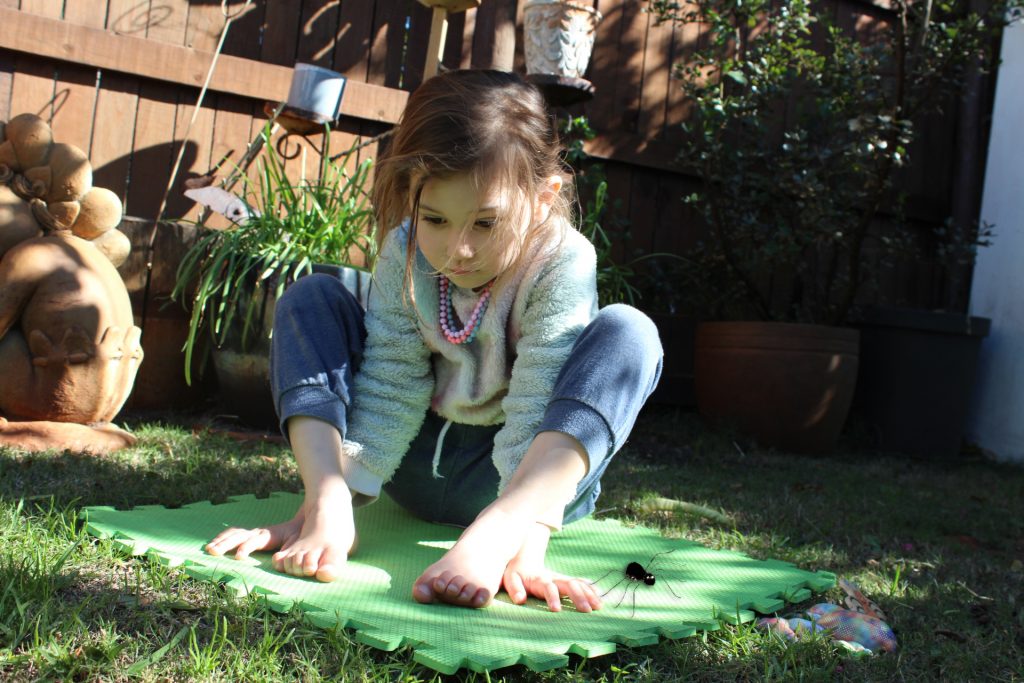
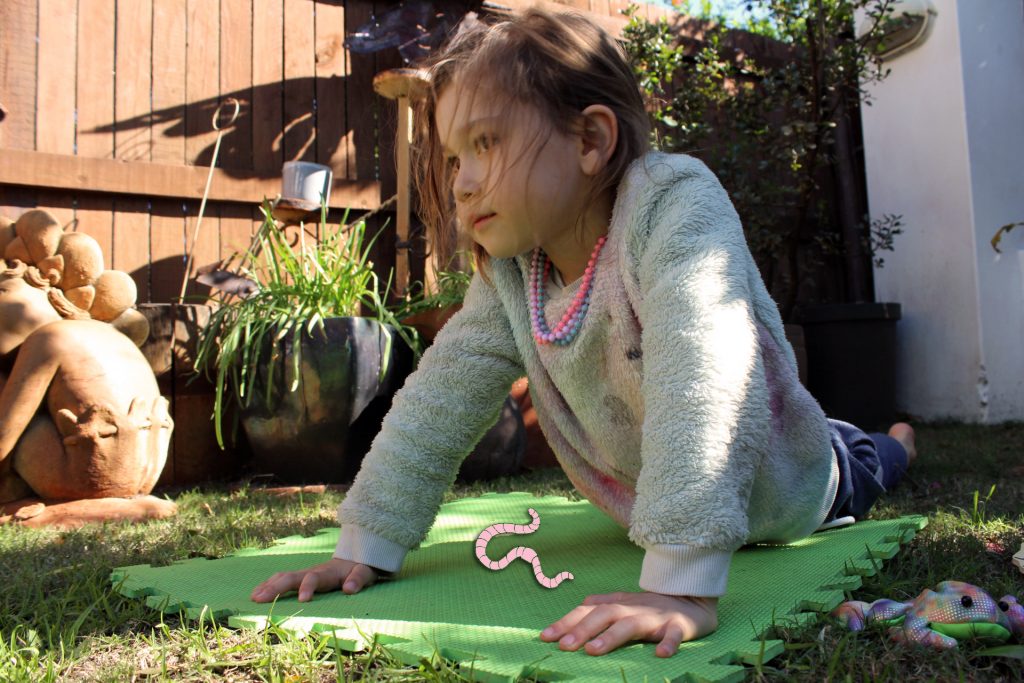
Pretend to be a worm with your belly in the grass lifting up our head to stretch
Pretend to be a bee resting on a flower collecting nectar in the garden
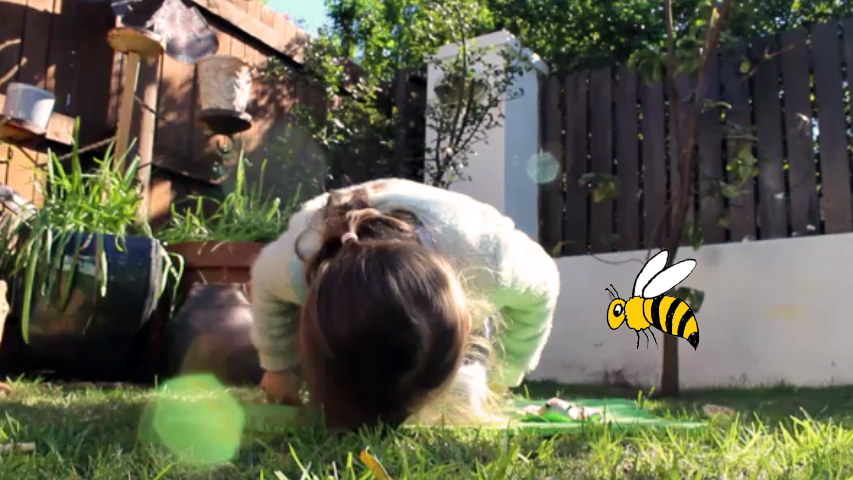
We have written a song and created a wonderful little video here for your little one to follow along with at home!
EQ: External COVID-19 specific support and materials.
Here we have collected some age appropriate information, stories and resources from external websites that we have found really helpful for our own family. If you have any resources that you have used that have been helpful please to share with us here.
Here is some wonderful advice from Becky Bailey, the creator of our beloved FEELING BUDDIES and SAFE SPACE that we have utilised here at the Watering Whole:
“Kids don’t say, “Beloved parent, I’m having difficulty in my daily life. I don’t fully understand what’s happening, I miss my friends, I’m afraid someone I know is going to die and it feels like life will never be normal again.” Instead, they throw tantrums, become clingy, sulk, backtalk, refuse to do anything you ask, wet the bed, pick fights with siblings and suddenly forget how to do basic tasks they mastered years ago.
Whew! Let’s step back, take a few deep breaths and learn a little about your child’s brain: Safety is the brain’s most basic need, followed closely by connection. When we feel unsafe or disconnected, our brains downshift from the higher centers responsible for learning and problem solving, to the lower reactionary centers. That’s why all those challenging behaviors are popping up, and why a minor frustration is now Titanic in size.
We can help children (and ourselves) by creating a sense of safety, connecting, and cultivating a new sense of normal with these five tips:
- Our calm increases children’s calm.
- You are the most important Safe Place for your child.
- The brain requires safety and connection.
- Be intentional about cultivating both.
- Create a “new normal” together using routines and play.
- Provide helpful ways for children to contribute every day.
- Consciously choose to see the best in others and circumstances.” – Becky Bailey
You may also notice your child’s play changing….we certainly have!
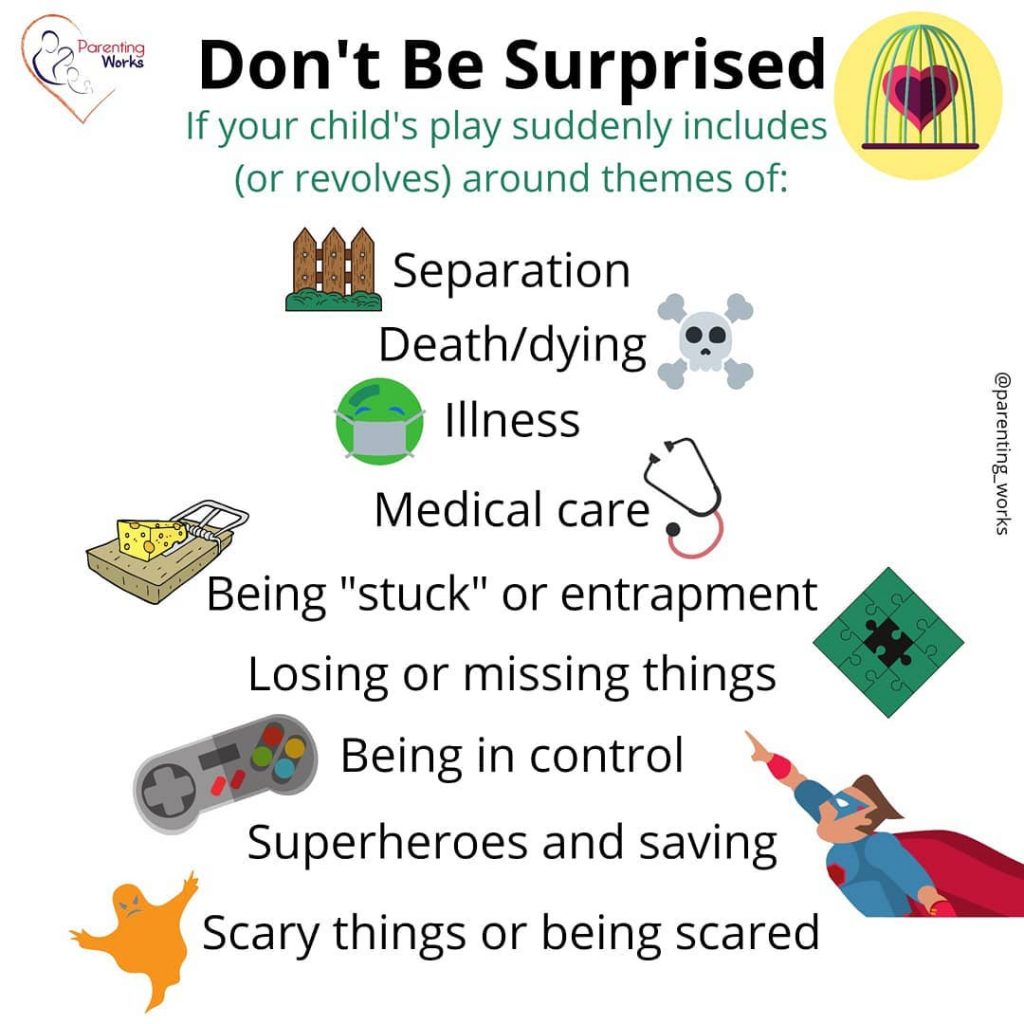
I love this post from @parentingworks which says :
You’ve heard me say many times that play is children’s work. That means you may see some good psychological work as they play during these unprecedented times of quarantine. This means they are processing and integrating their experiences–trying to understand the new normal. In other words, don’t be afraid if you see these themes in their play. This is a sign that they are doing something healthy and important! So, lean in and let them play through the uncertainty, confusion, and change.
Additional External supports you can download:
These resources can be read to your child to start up a conversation around COVID-19 and their feelings. Remember to be honest and factual, honour the feelings that your child may have such as fear, sadness, anger saying, “Yes I understand you are feeling that way. It’s okay to feel that way”, but then also always reassure your child that they are safe and that home and family are their safe place!
EQ and Life Skills- Rainbow Week
It’s okay to be different story:
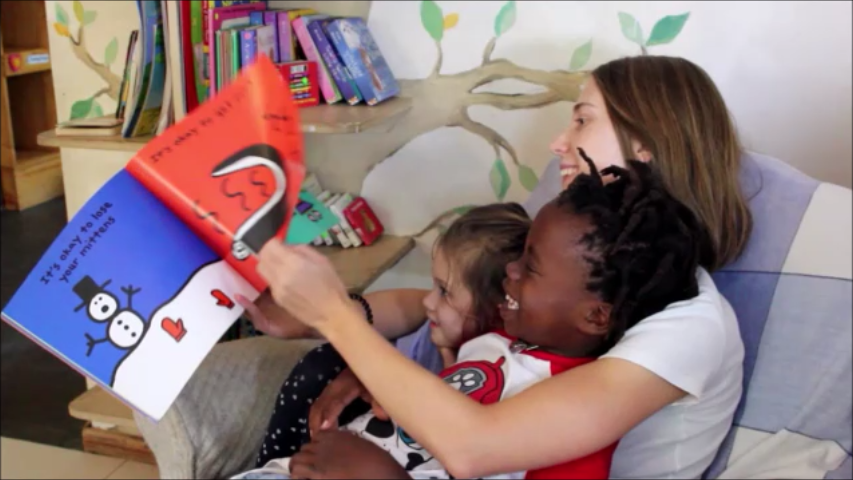
Children need to experience a sense of belonging in order to form a secure identity and sense of self. This begins with knowing, and being proud of, where they come from and having respect for all people regardless of their differences. As a rainbow nation, in a world that is full of diversity and constant change, one of the most important aspects of what unites us is our difference.
Watering Whole Holistic Preschool embraces different forms of family structures and prides itself on being an open-minded and secure environment where children can play, learn and grow as unique individuals.

Over the holidays we invite you to make a picture book all about your child or an important aspect of your child’s life…it could be about how they were born, all about their family, all about their culture, the first year of their lives, a time of great change…anything really.

Include photos and/or drawings and then spend time reading it with your child as often as they like. This will become a treasured book in your child’s library and is a wonderful way for them to feel proud of who they are. Every child’s story is different and helping them to see that, and to feel celebrated as the unique individual they are, is such a wonderful gift!
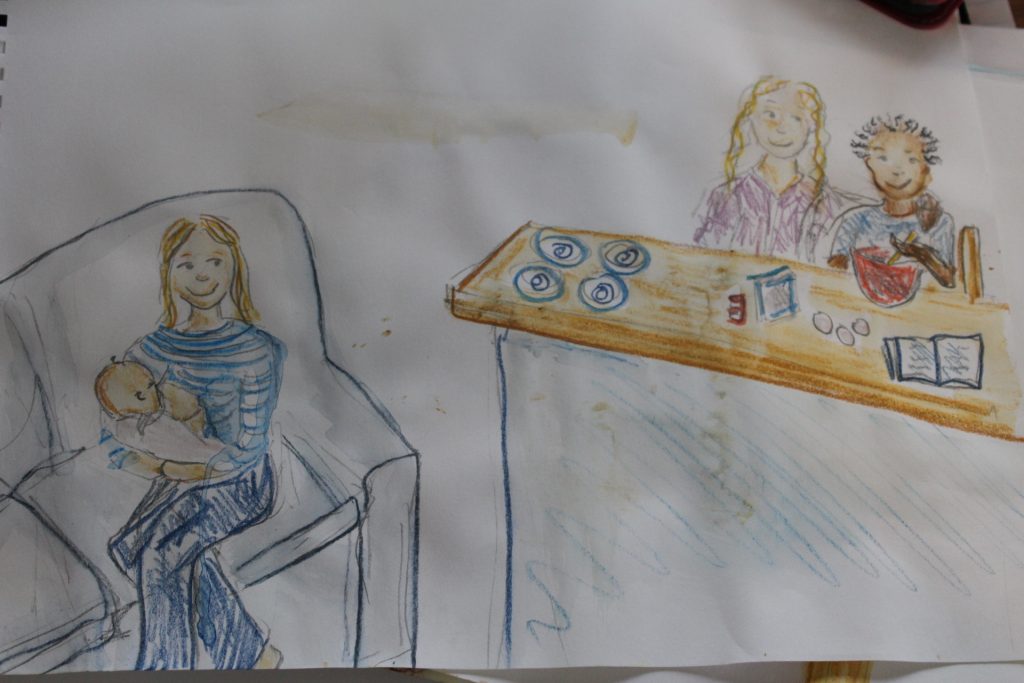
Our children have loved the stories we have written about them and their beginnings/early years and depending on what you have access to, you can either use actual photos of your little one(s) or else just draw (or even get them to draw) simple pictures to illustrate their story.
It’s such a lovely and meaningful activity to do together and will always hold special meaning for them.

EQ and Life Skills: Problem Solving and Conflict Resolution
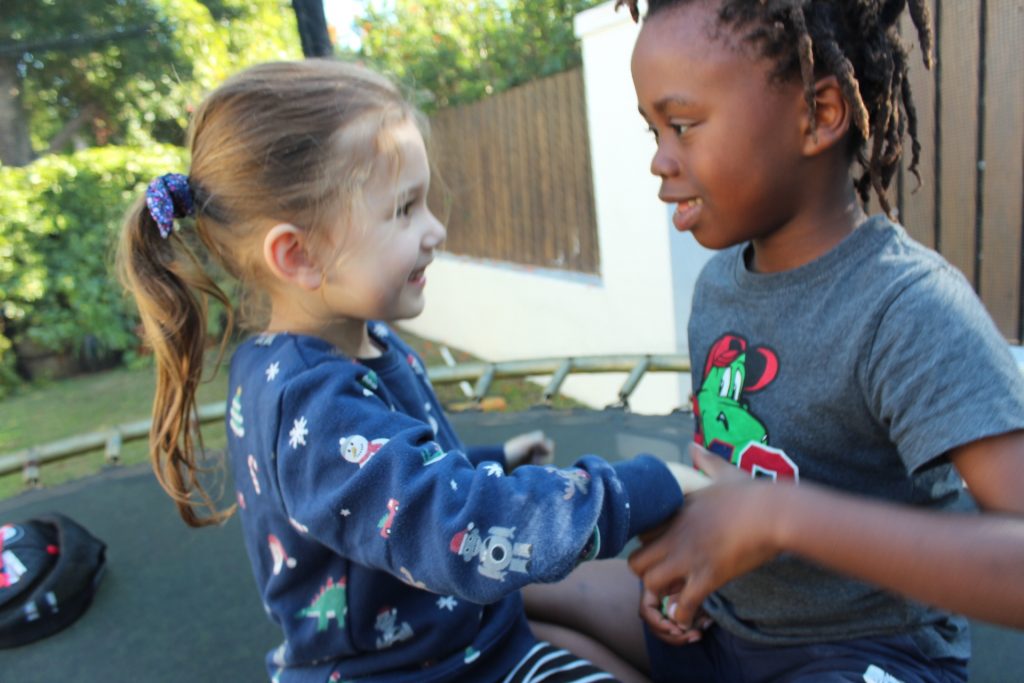
Helping our children to problem solve with this simple 2-step process: Reflection and question.
“Since the jobs that our preschoolers will do probably don’t exist yet, our priority is to teach them the skills to adapt and inquire and question and cooperate…life skills. So much more useful than rigid concepts such as the alphabet.” ~ Caroline Bellouse
As adults, our go-to is so often to quickly solve our children’s problems for them. When two children are fighting over a toy we come in to help by telling them what to do… “First “A” can play with the toy and the “B” can have a turn”.
I remember many years ago the first time I tried this problem-solving concept out in the preschool. I noticed two children fighting over a particular toy in the classroom and went over to ask what was happening. First I asked each child what their grievance was, both exclaimed they wanted to play with the same horse. Rather than jumping in with a solution… this time I said…
“Hmmm “A” wants to play with the horse and “B” wants to play with the same horse…I wonder what a solution could be?”
By stating the problem and asking each child for a solution, they took ownership over their conflict and problem solved together. In the end they decided it best to take turns.
This was an incredible moment for me and has changed the way I deal with conflict in the classroom and the home. You will be amazed how reflecting the problem and asking children to think up different solutions creates wonderful problem solving skills from a very early age!
If a child is struggling to come up with solutions then I will come up with some ideas too…but these are ideas to ponder upon together rather than me telling them exactly what to do.
An example of using this concept at home would be when both children are needing something from one adult at the same time!
I would say, “Zakai I can see you have so much energy right now and you are asking to play on the trampoline with me, and Kamali, you have explained how you would really like to sit and read together right now ….and I am only one person so can’t do two things at the same time….hmmmm…what ideas could we come up with to find a solution here?”
The children usually come up with many different ideas and we are able to find a compromise together.
This process does not work every time, but it is a wonderful way to start introducing problem solving and conflict resolution ways of thinking.
We would love to hear what happens if you try this approach in your home? Please do share some of your stories or questions with us.
Science, Nature and EQ: Bird Watching

Let’s spend some time sitting outdoors in our garden this week listening to and watching birds together. For those who don’t have a garden, try to find a window for your little one to be able to watch out and listen for birds from.
Take this moment as a contraction/breathing out and going inward together. Learning to pause and be still is a wonderful tool for self-regulation and focus that takes time to develop.

Being fully present outdoors/in nature is also a wonderful way to regulate the body and mind.
You can start off by explaining that birds can be hard to see, but are much easier to hear. Close your eyes together and listen. Where is the sound coming from? …and what different kinds of birds can you hear?
By teaching children to listen to and differentiate between different bird songs you will help to develop their hearing and focused listening skills.
Can we imitate the songs of different birds? This is wonderful for language development and expressive communication skills.
Now let’s count how many different kinds of birds we can see; we can also look for birds’ nests in our trees and even look out for bird poop!
We have been seeing so many birds in our garden since lock-down, including an eagle flying overhead!… And Go-Away birds eating our granadilla leaves! I am amazed how much the children have been enjoying learning about birds and their ability to differentiate between different birds and bird sounds.
Now, every day we spend time in the garden we are listening to bird song and spotting different birds around us.
If your child gets really invested in birdwatching you may consider purchasing a poster like the one featured below and learn the names of all of the different birds too:

https://www.penguinrandomhouse.co.za/book/poster-birds-southern-africa/9781775843795
We can learn all about birds with this fun video too:
Life skills and EQ – All the Colours of the Earth:
Watering Whole @Home Curriculum Week 7
Children need to experience a sense of belonging in order to form a secure identity and sense of self. This begins with knowing, and being proud of, where they come from and having respect for all people regardless of their differences.
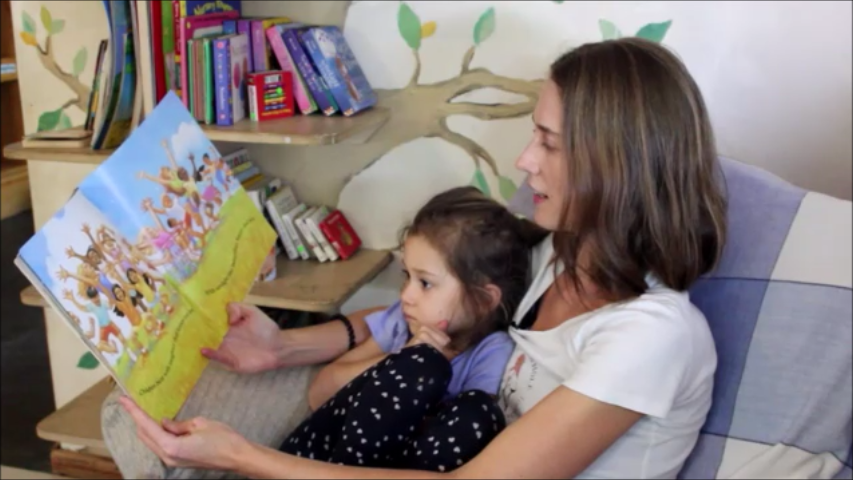
At Watering Whole we have been developing a wonderful library of books to support EQ over the years and for this EQ lesson please join teacher Linda as she shares one of these beautiful books called “All the Colours of the Earth”
Life Skills and EQ: Feeling Buddies
Watering Whole @Home Curriculum Week 5
Two weeks ago we shared with you the Feeling Buddies “How Do You Feel Chart”
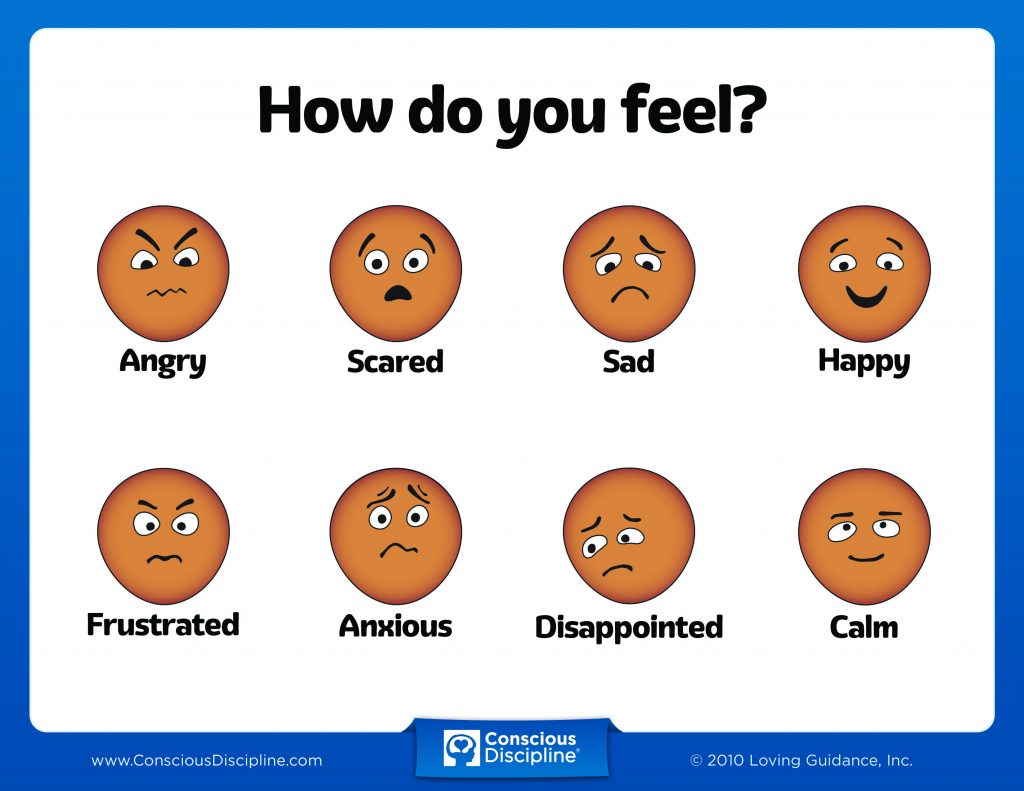
This week we are sharing a short Feeling Buddies lesson with Teaching Inger for your little ones at home:
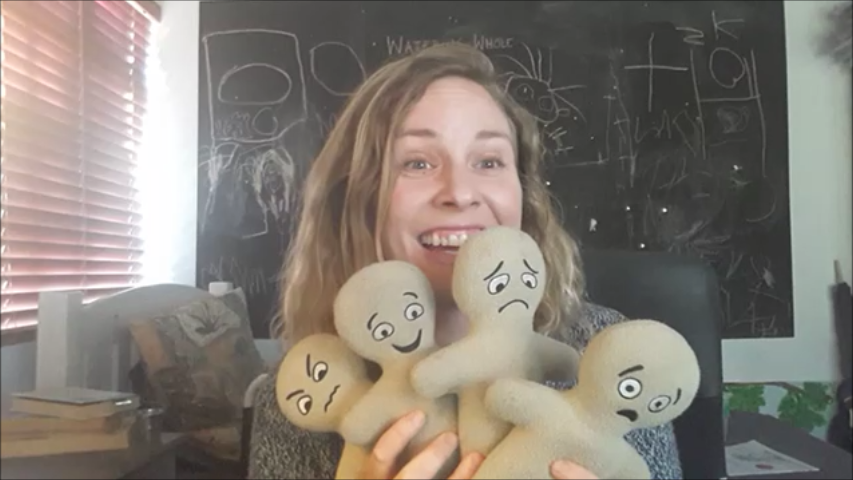
We have also included some footage from an actual Feeling Buddies lesson with your little ones earlier this year:
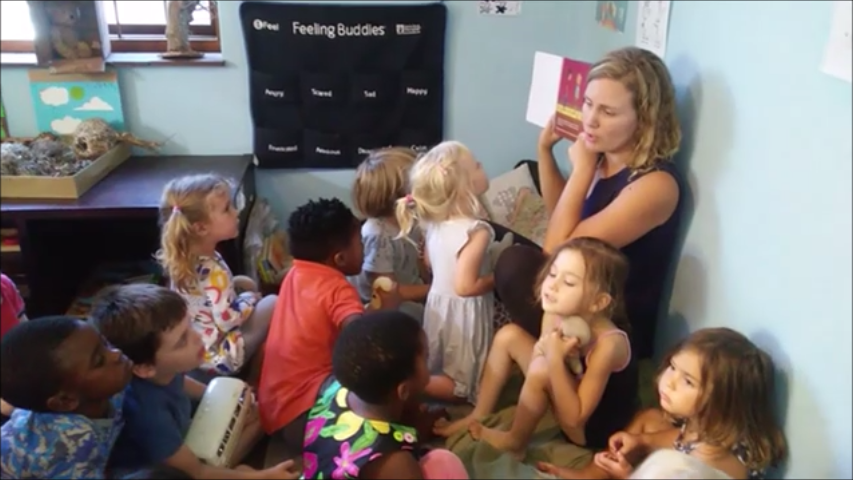
Based on current brain research, child development information, and developmentally appropriate practices, the Feeling Buddies Self-Regulation Curriculum created by Dr. Becky A. Bailey and Lety Valero form an integral part of the Watering Whole.
According to Howard Gardner, human beings have not just one form of intelligence, but actually multiple intelligences. These intelligences form part of who we are and need to be developed and strengthened in order for us to grow and thrive as individuals.
One of the key intelligences we should be focusing on in early childhood development is Emotional Intelligence. Emotional Intelligence is the “ability to recognise, understand and manage our own feelings as well as the feelings of others. It is the ability to show understanding and empathy, and it involves the ability to see things from other points of view” (Henig).
Gross Motor, Fine Motor and Life Skills with Teacher Julia:

Enlisting our children’s help around the house when it comes to cleaning up after themselves and other chores, is not only a wonderful life skill, but has many gross motor and fine motor benefits too!
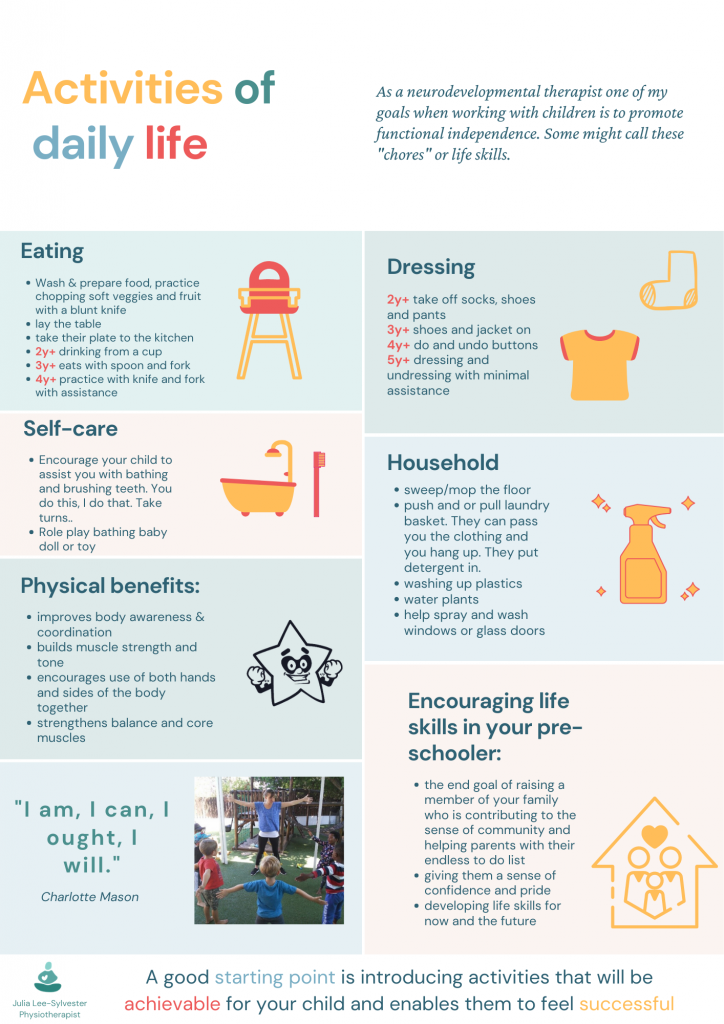
This week Physiotherapist Julia Lee-Sylvester is sharing some wonderful “activities of daily life” for your @home gross motor and fine motor programme.
“As a neurodevelopmental therapist, one of my goals when working with children is to promote functional independence. Some might call these chores or life skills.
It’s good to be mindful that when we do include our kids in an activity, the process is more important than the result and there will likely be lots of mess 😉
Parents, for some their child helping them with chores or activities of daily life can be triggering and result in anxiety for you or your child. We can’t and do not need to include or stimulate them all at time!
When I find myself getting frustrated I stop and ask myself (after a few deep breaths); what would I like to be the memory we make here? Perfectly baked and iced cupcakes but an incredibly stressed out mom or an average batch of cupcakes that look like a dogs breakfast but a fun time had by all? Take the pressure off, especially during these difficult times we find ourselves in currently.” – Julia