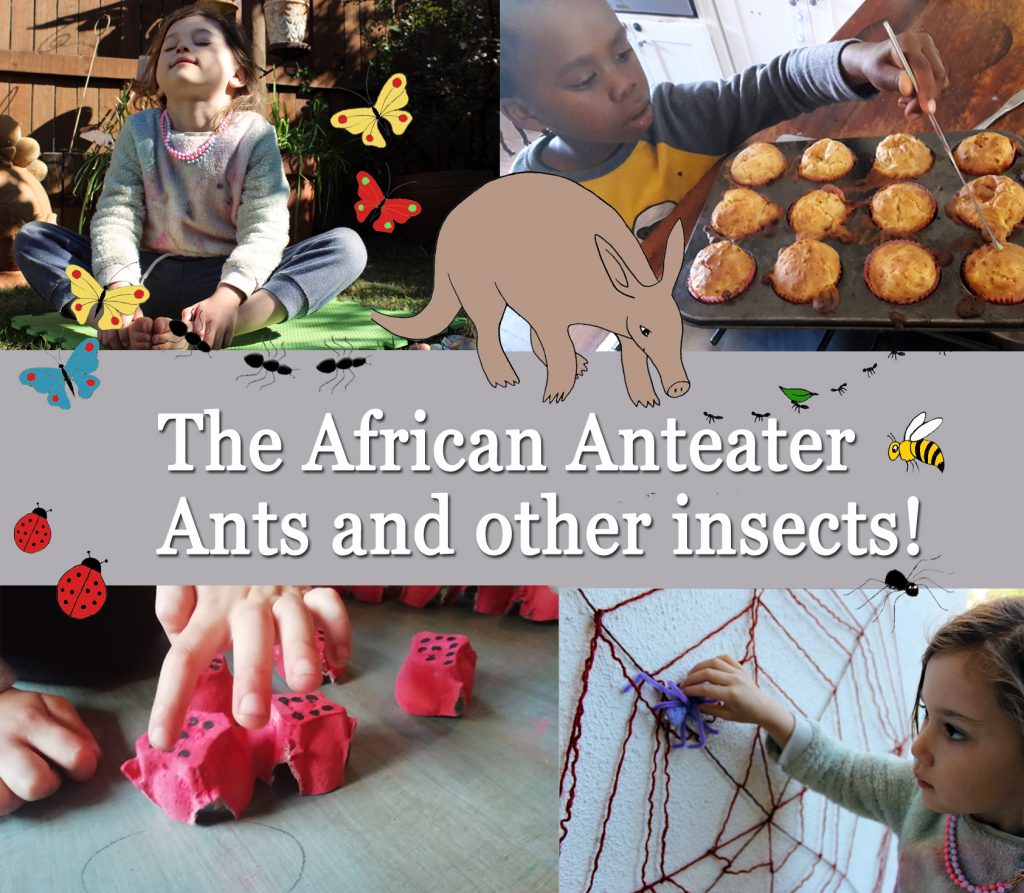
Children have always been fascinated by insects! It really is such a magical world of wonder and it’s right there… in our gardens and in the park and all around us!
This week we will learn to count with ladybirds, find a place of calm with the butterflies, build our arm muscles whilst digging for ants like anteaters and work on our focus and fine motor skills as we spin webs like spiders. We will learn songs, hear stories, explore and investigate this magical world together.
Taking time to focus, breathe and connect with nature has a wonderful calming effect on the whole nervous system even for little ones. Benefits also include: stretching of the muscles, developing body strength and working on balance.
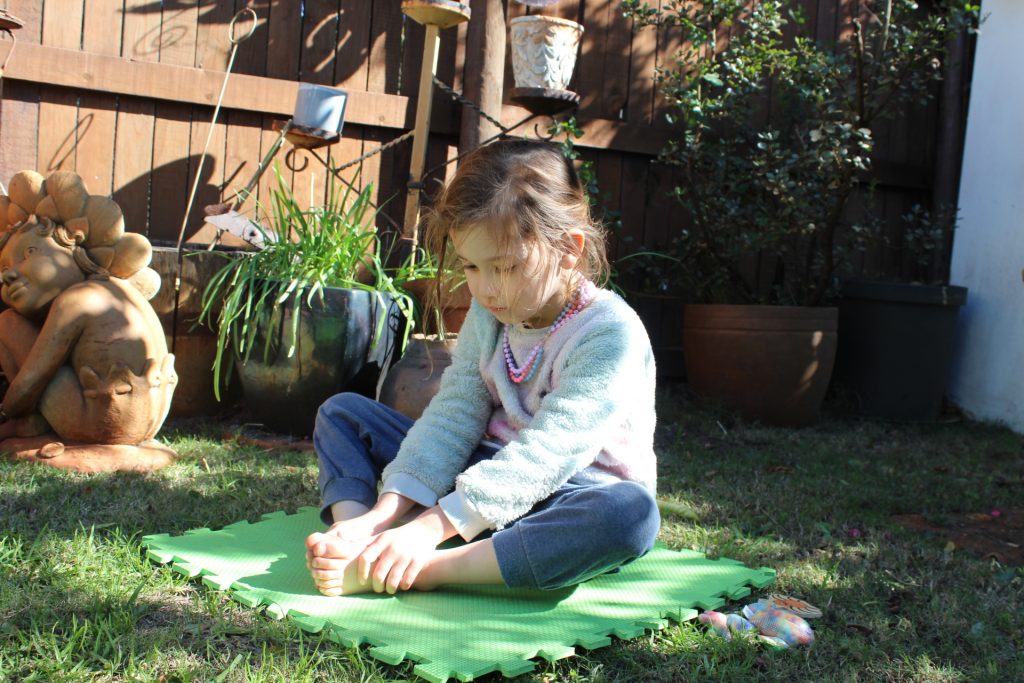
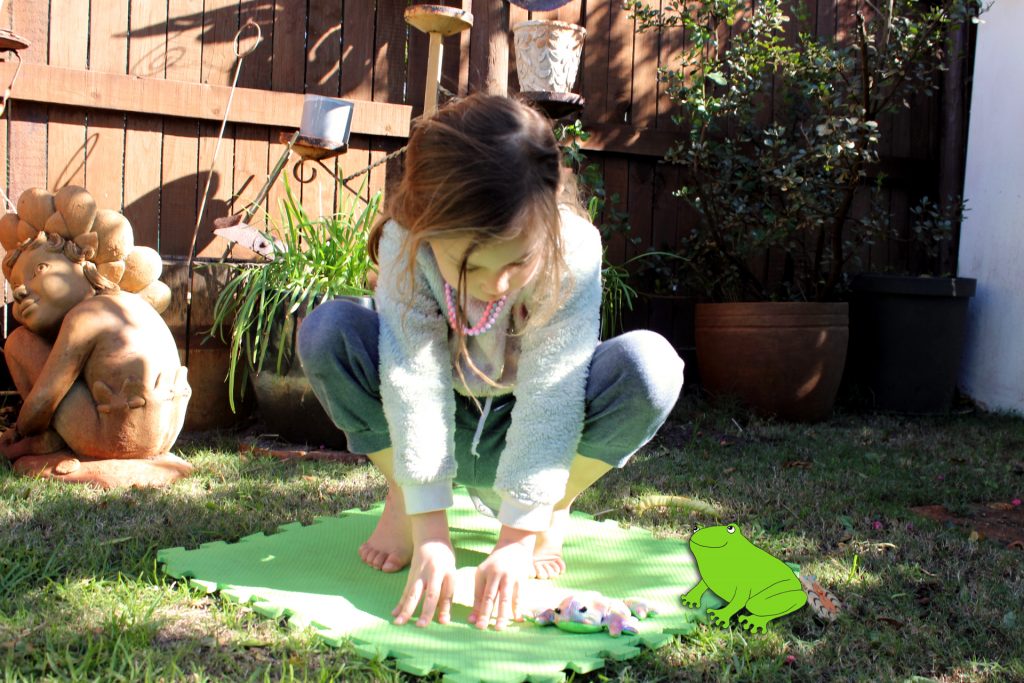
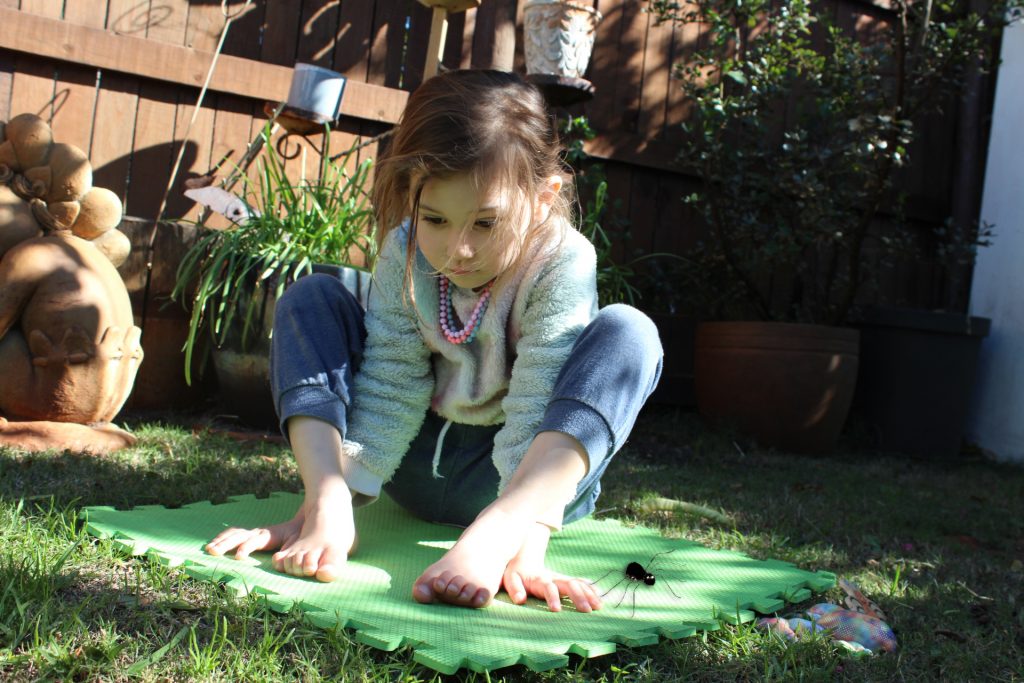
Let’s spend some time in nature this week, breathing deeply and trying out some of these insect yoga poses.
Pretend to be a butterfly flapping your wings and smelling all the colourful flowers as you close your eyes and breathe deeply
Pretend to be a frog catching a fly…I, 2, 3 jump
Pretend to be a spider with all your spider legs sitting quietly on your web
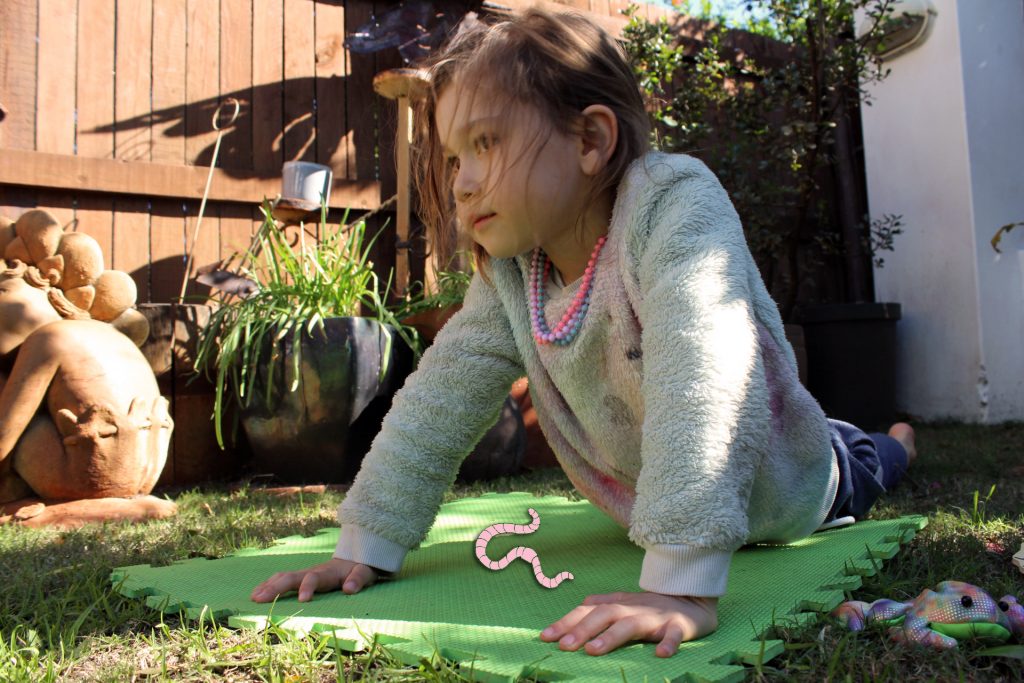
Pretend to be a worm with your belly in the grass lifting up our head to stretch
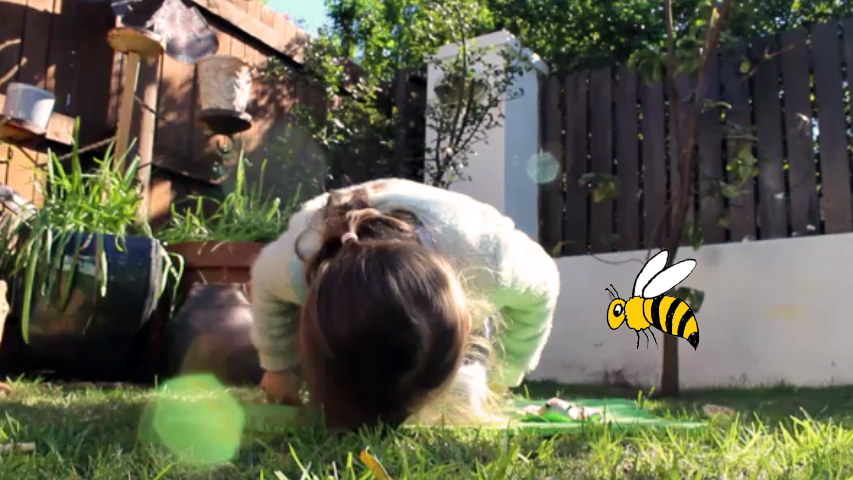
Pretend to be a bee resting on a flower collecting nectar in the garden
We have written a song and created a wonderful little video here for your little one to follow along with at home!
As part of the Warldorf curriculum children as young as 4 start to learn finger knitting. We have just started trying out some finger knitting with Kamali and it has been rather a lot of fun.
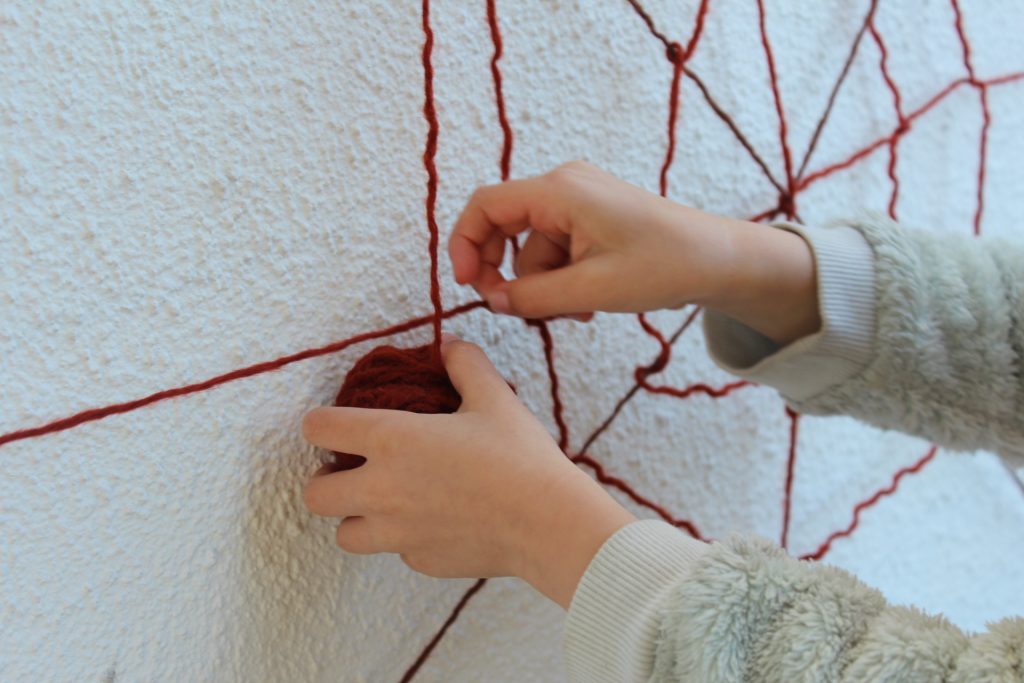
Finger knitting is wonderful fine motor work …it builds dexterity and strength in those finger muscles, important for writing skills, and also encourages perseverance and concentration.
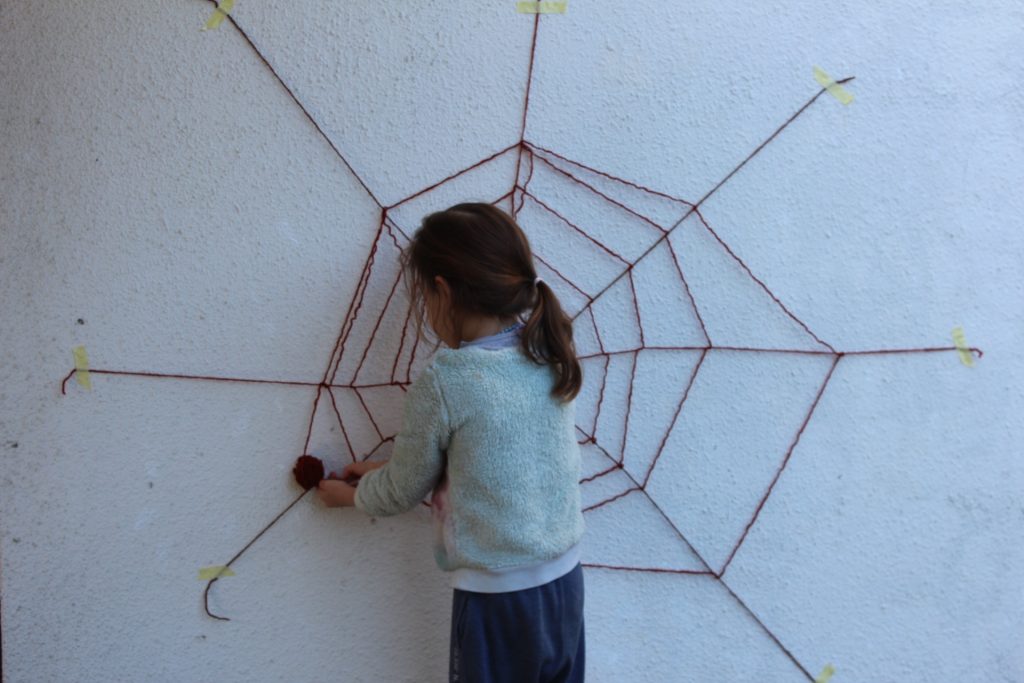
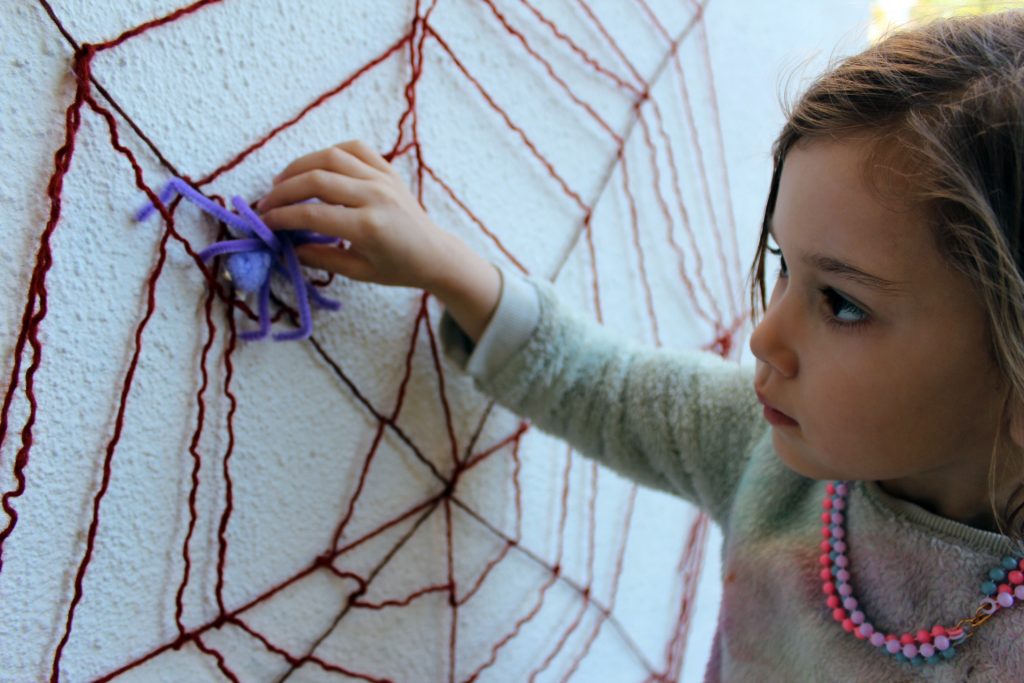
After reading the story about the very busy spider Kamali really wanted to make a spiderweb! What a wonderful idea for a fine motor activity for children 4 and older.
First create/stick up a kind of star shape in wool as the base of the web and then invite your child to spin the web by rolling the ball of wool over and under each line as shown in the video. Once Kamali got the hang of it she was on a roll!
Afterwards we created a spider by twirling some pipe cleaners around a piece of fluff!
For younger children singing “Incy wincy spider” and working on the finger actions is a wonderful way to build up those finger muscles this week.
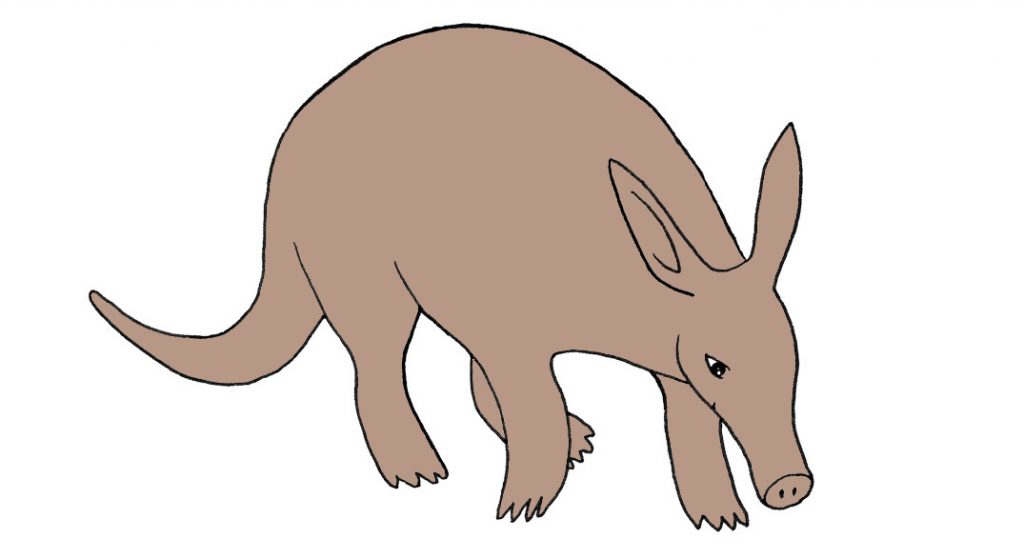
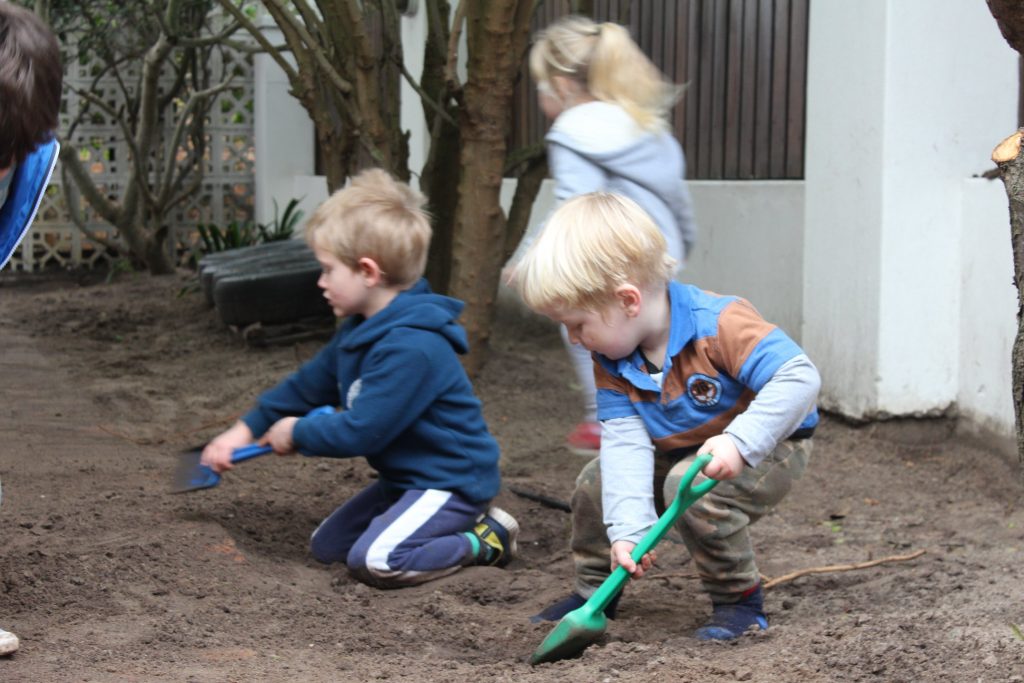
Did you know that African Anteaters are thought to be one of the world’s most prolific diggers with their strong limbs and claws and shovel-like feet helping them to be able to shift 60cm of soil in just 15 seconds!
By far digging, building and working in the dirt have been some of the most loved free play activities here at the Watering Whole. These types of activities are so wonderful for proprioceptive input and building those muscles! The proprioceptive system is located in our muscles and joints and plays a big role in self-regulation, co-ordination, posture and body awareness.
Do you have somewhere in your garden or home that lends itself to digging? Maybe you can plant a garden together? Or create a vege patch? Our children often dig in imaginary play and mix mud cement or build dirt roads.
This week we encourage you to find a space to do some digging together!
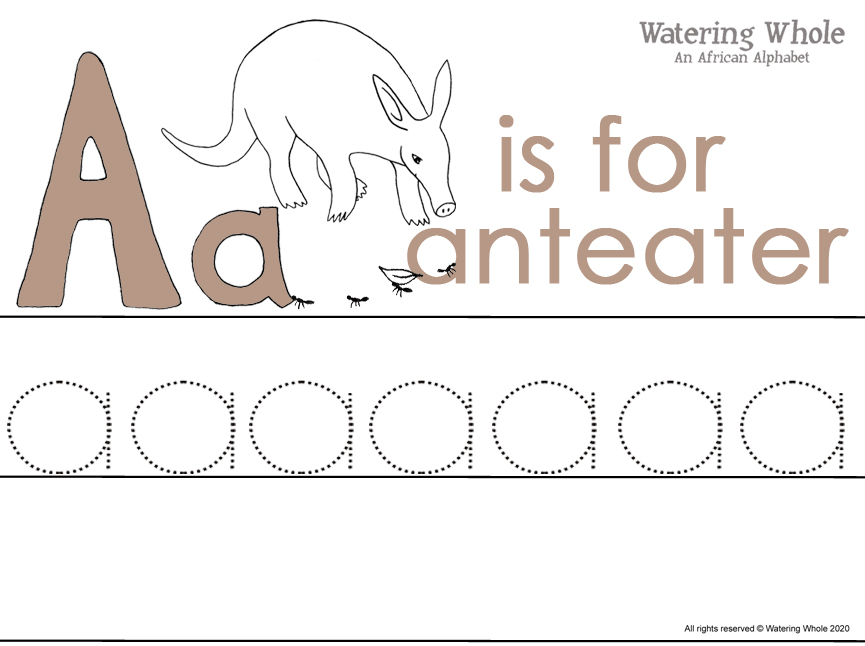
Learning points: help children to say the sound “a”, recognise the sound “a” in different words and help older children to recognise the visual formation of the letter “a”
Did you know….identifying the sounds in a word is an important foundational skill needed for reading and writing? Sound identification always starts with identifying the first sound in a word, then later the last sound and finally the middle sound.
As we explore our African Alphabet together we are starting to help our children identify the first sound in words.
Let’s sing all about ants and learn to count to 10 with this well known children’s song called “The Ants Go Marching “
Do you know who likes to eat Ants? Anteaters! What other words begin with “a”. Let’s explore together…
Fill the bottom of a tray with sand/flour/salt or even shaving cream. Give your child the visual letter card to copy and invite them to draw it in the tray with their finger.
Benefits include: Development of fine motor skills, hand eye co-ordination, development of the sense of touch, letter recognition and letter formation.
Every child is different, but we recommend introducing tactile letter formation activities such as these around 4 years of age. After your child has mastered shapes.
Did you know our African Anteater loves to eat ants and bugs and all sorts of insects? It uses its long, sticky tongue to lap up to 50,000 insects a night from inside termite mounds or underground ant nests.
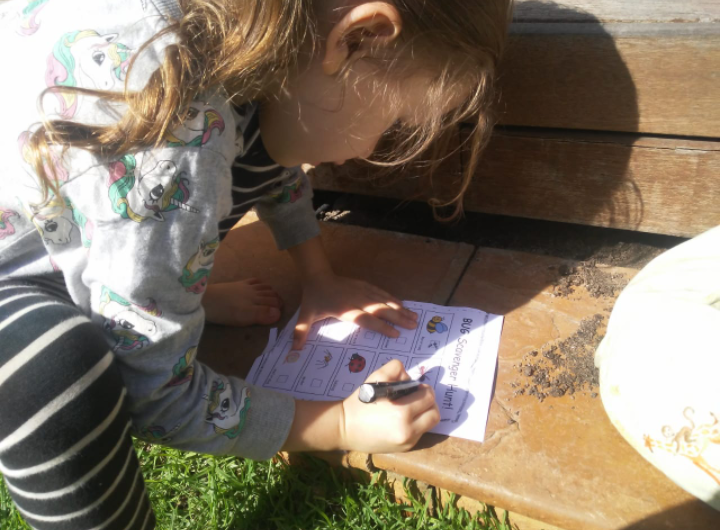
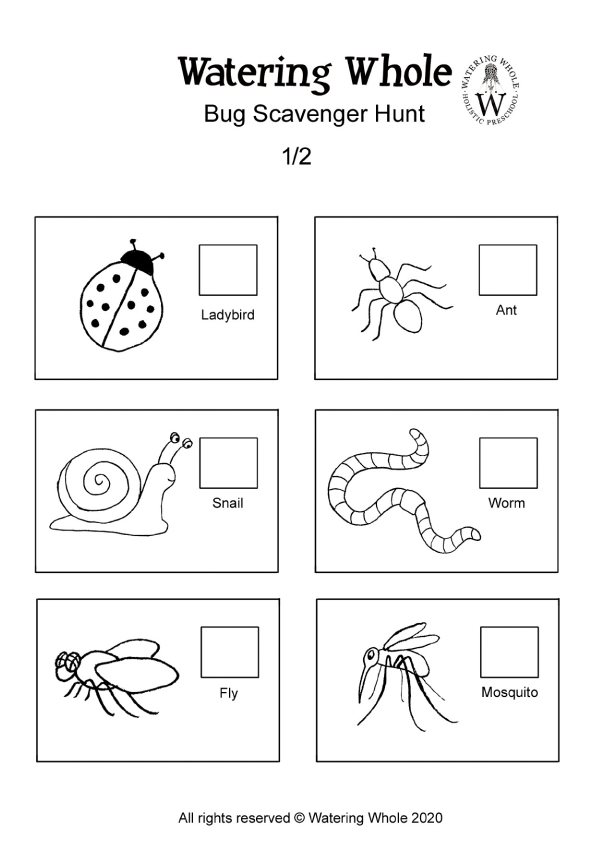
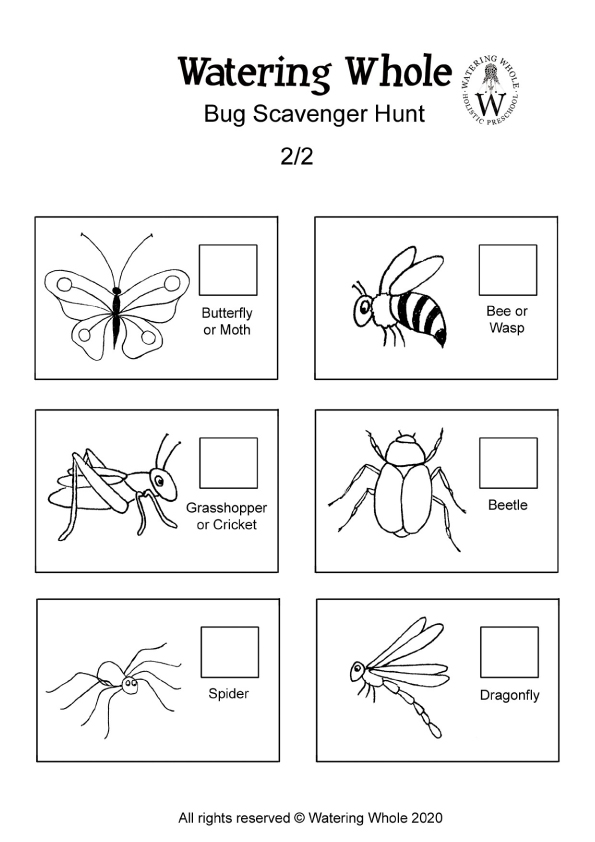
This week let’s explore our gardens and see what kinds of bugs and insects we can find.
Benefits include: Observations skills, learning about nature, early maths through “data collection” and “analysis”, fine motor skills and hand-eye coordination from ticking/crossing off on the list, language development as you explore and talk about texture, colour, shape and size, learning how to be gentle with other living creatures and also learning the names and habits of different kinds of insects, where do they live? What do they eat? And why are they here?
Here is a simple craft activity that links in beautifully with our concept focus (the colour red), and our Nature focus (bugs) and can be used for a fun counting activity too. For this activity, you will need ten ladybirds made out of an egg carton. Invite your child to paint the egg carton red like a ladybird and when it is dry cut out your lady birds and stick on/draw googly eyes.
You will then draw one black spot on the first one, two spots on the next one, three spots on the next one, and continue this pattern up to the number 10.
The goal of the activity is for your child to count the ladybug spots and then put the ladybugs in sequential order from 1-10.
Additional ideas:
You can also put the corresponding number inside of each egg carton for your child to check their counting.
You can also give the child dried beans to count out and put the correct number in each egg cup.