Working on number sense: Counting and Number Songs and Rhymes
Maths Concepts: Counting up, counting down, patterns in rhythm and songs, simple addition, subtraction and division
Songs and rhymes are a perfect way to start introducing early maths skills to your child. Even as a baby you can sing these songs to them and start to develop early maths skills.
We have created a wonderful Songs and Rhymes PDF Pack for you to download here which includes 19 different Songs and Rhymes, directions for actions and a video link to each one. We also have also created a fun Baa Baa Black Sheep extension activity at the end of pack for you to work on sharing and division skills at home.
When children leave the Watering Whole we are not expecting them to read yet as this is taught in Grade R and Grade 1, but without a proper foundation laid first, reading will prove an extremely difficult task.
At Watering Whole we work on creating and developing a rich foundation on which reading will flourish by focusing on the following:
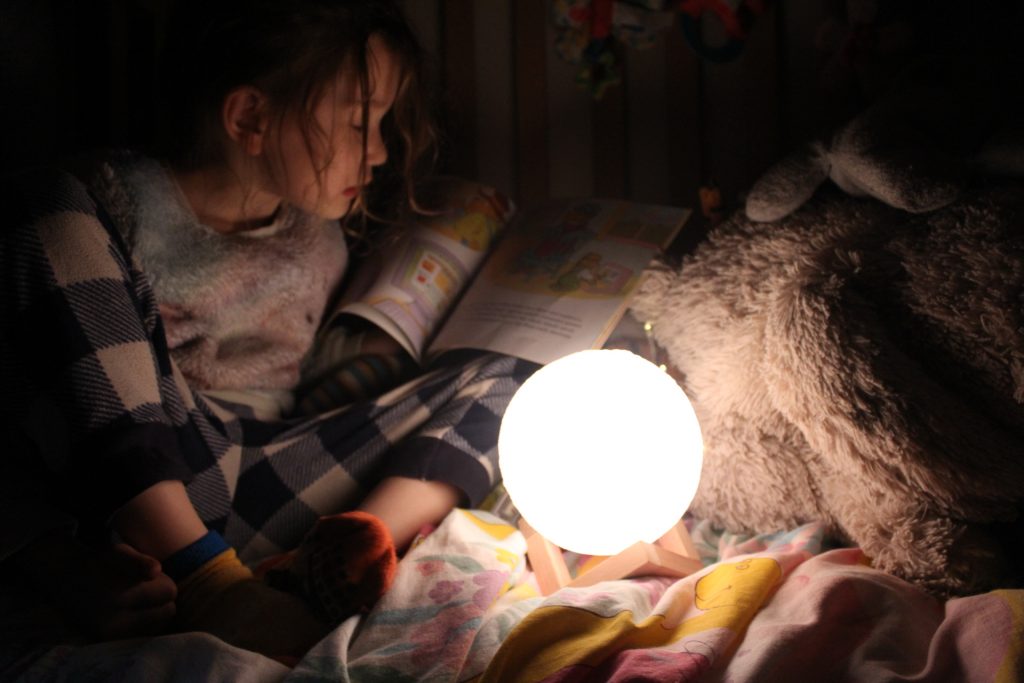
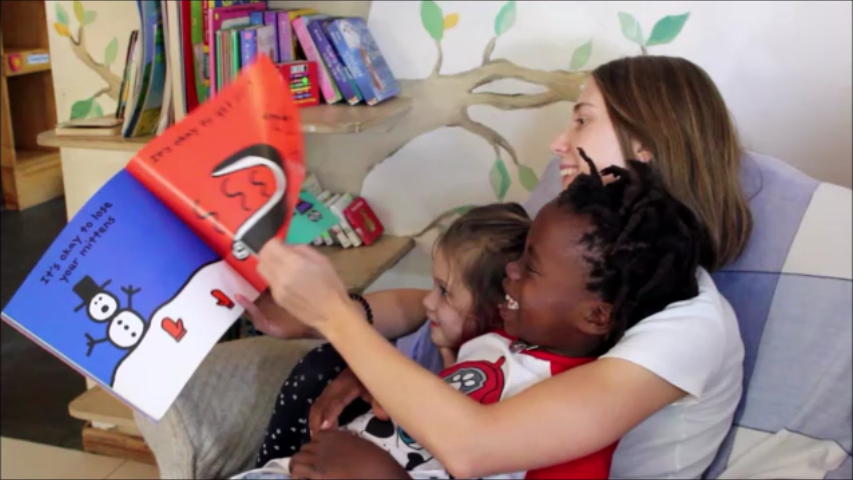
1 – Language – A child needs to have been exposed to and have developed a rich understanding of language before they can learn to read successfully and this is done through exposure to stories, poems, songs, rhymes and books daily! Reading to your child is one of the greatest gifts you can give them during these foundational years!
2 – Awareness of rhyme – All those nursery rhymes, poems, songs and books like Dr Seuss will help your child develop an ear for sound. Research shows that rhymes help children to grasp the rhythm of language and break down phrases into words and words into sounds; an important skill needed to be able to read and write. The repetitive structures used in nursery rhymes are also your child’s first introduction to early maths skills as it introduces patterns and many rhymes will often also include numbers and counting too.
3 – Syllable awareness – understanding how different sounds make a word is an important part of developing phonological awareness. Research shows that children who cannot distinguish the different sounds in words have difficulty recognising and learning the print to sound relationship needed for both reading and spelling success. To develop syllable awareness we often break up big worlds by clapping each syllable.
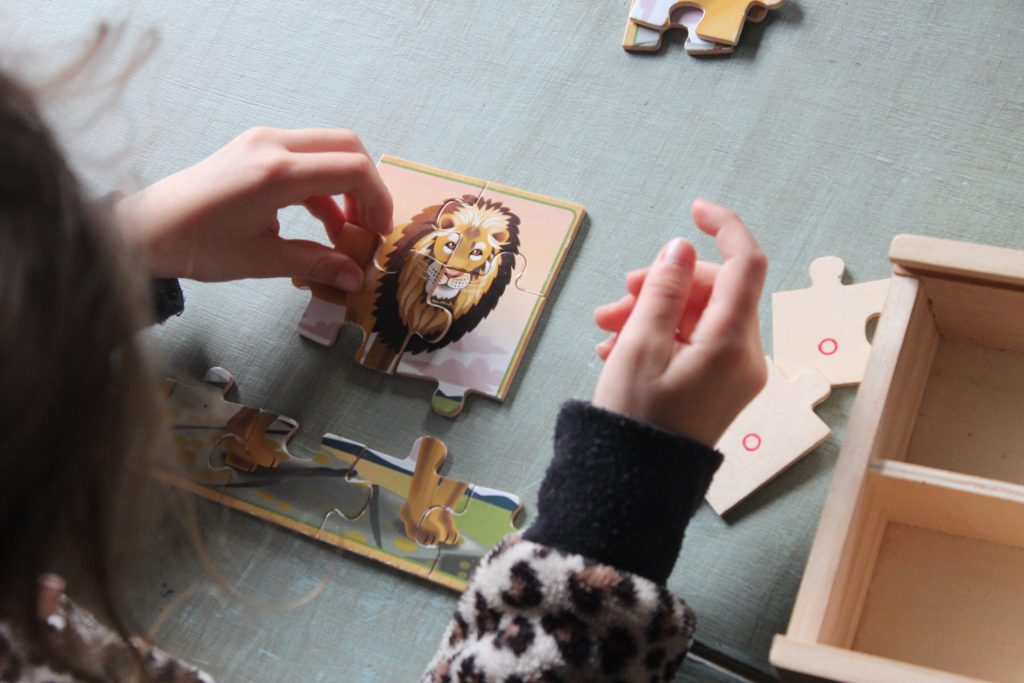
4 – Visual discrimination skills – the ability to identify differences and similarities between objects is especially important when learning reading, writing, and maths. We can develop these skills by exploring shapes and numbers in different contexts, playing different matching, sorting and spot the difference games, reading books together and activities like puzzles are also wonderful to develop this skill too.
4 – Exploring the alphabet and how letter sounds make up words – As we explore our African Alphabet together we are starting to help our children identify the first sounds in words. Whilst we are not expecting children at this age to learn and identify every letter of the alphabet at preschool, we are familiarising them with all the different sounds of the alphabet and the understanding that it is these different sounds that make up the words we read. Generally sound identification always starts with identifying the first sound in a word, then later the last sound and finally the middle sound. Playing games like eye spy is also a wonderful way to develop this.
5 – Sound Segmenting and Sound Blending – Sound segmenting is when we pull words apart, saying a word slowly so we can hear each sound that makes up a word and sound blending is when we push those sounds back together again to hear how they blend into words. This is the beginning of reading. For older children who are starting to identify different letters and are interested in written words they see on the page as you are reading them a story…this is a wonderful time to start introducing sound segmenting and sound blending to them.
READING FOUNDATIONS ….. What can you do?
•Read to your child daily •Sing and read poems, songs and nursery rhymes •Clap out the syllables in big words when you are learning something new! •Play games and do puzzles that develop visual discrimination skills •Have fun exploring the African Alphabet in our curriculum and games like eye spy •Remember to put up your child’s name in their room so they can start recognising their own name in print. •For older children who show interest, you can begin segmenting and blending simple words together.
HOW CAN WE HELP?:
Story Time with Teacher Linda – Over the years we have taken pride in researching and adding a wide array of books to our Watering Whole library. Click on this link to access our story time space. Your child can click on the cover of any of the books in our virtual library and the story video will play. (Our story time library will be added to weekly. This week we have added a Winter Themed book “The Bear Snores On”)
Rhyming Time with Teacher Inger – Join Teacher Inger in our new “Rhyming Time” virtual space here and explore the rich rhythm and rhyme of language through different stories, songs and games. Your child can click on the various video options and a different rhyme, poem or song will play.
The Bear went over the Mountain with Teacher Inger and Kamali:
Do you know what the very first word your child should learn to read and write is?……
Their name!
For younger children we encourage you to put your child’s name up on the wall in their room. Label some of the things they own like their cups, bottles, bags, etc with their name. Make sure to write their name on any art they create… all of this will help your child start to recognise their own name from an early age.
For older children let’s start to break down their name into sounds:
• Does your child recognise the sound of the first letter in their name? •What about the last letter in their name? •What would their name sound like if you removed the first letter? • What would their name sound like if you removed the last letter? •Can they stretch their name out sounding each letter? •Can they blend the letters together again to make up their name? •Do any other words rhyme with their name?
Phonological awareness (learning to play with sounds in all of these ways above) is the key part of being able to read and write.
Here is a fun silly name rhyming song that both Zakai and Kamali really enjoy:
Let’s make rainbow names
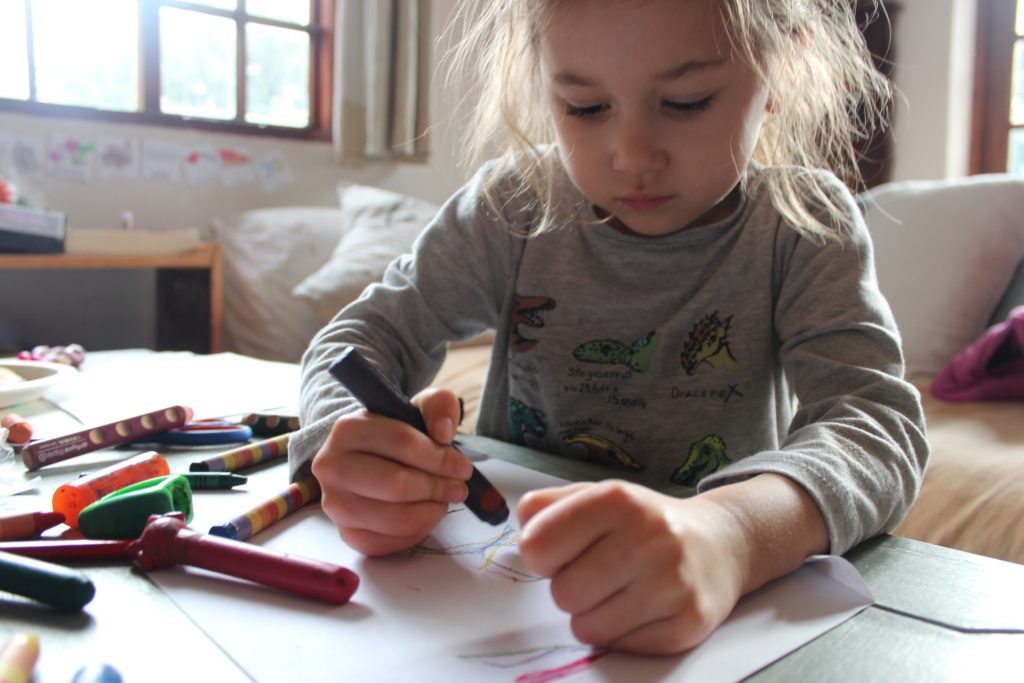
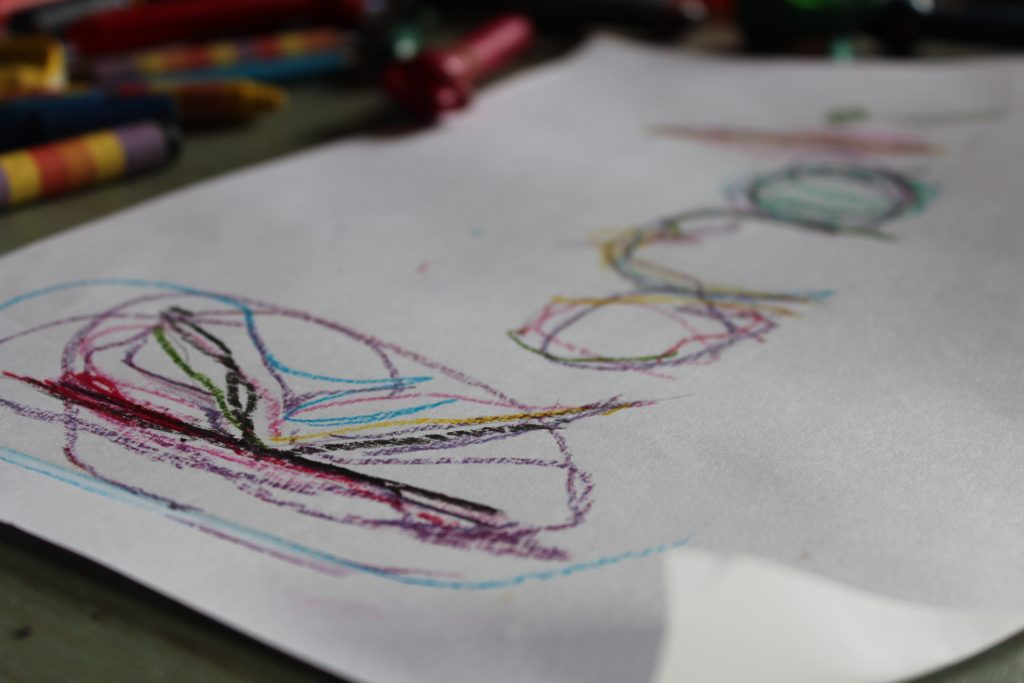
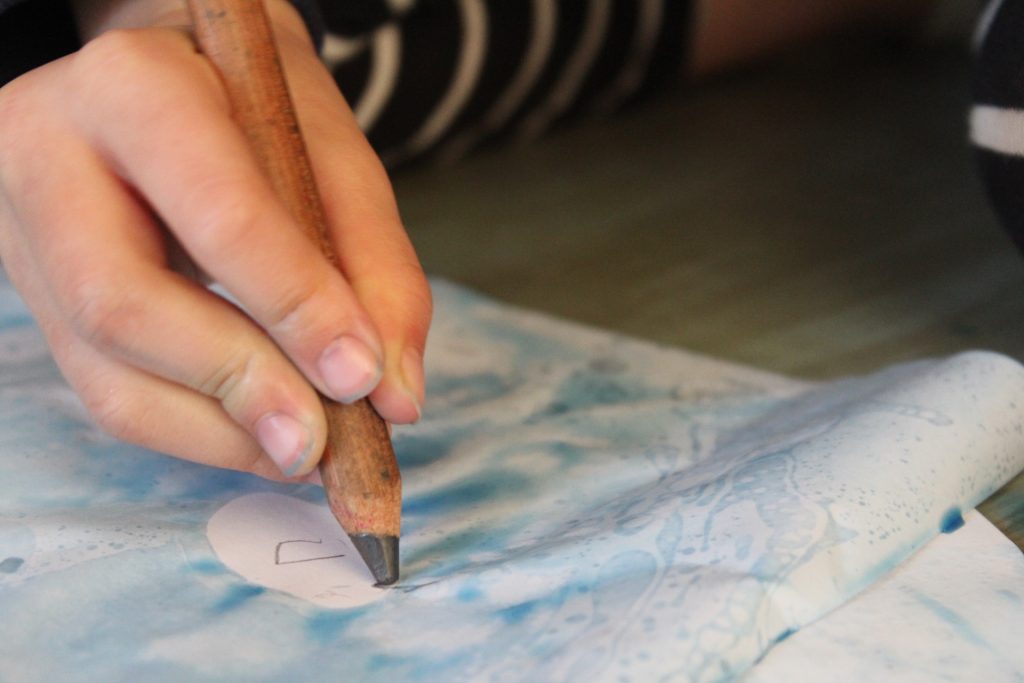
For Giraffes (aged 4/5): Write your child’s name on a piece of paper and invite your child to trace each letter over and over again with different colours, creating a beautiful rainbow name and learning about the formation of each letter at the same time.
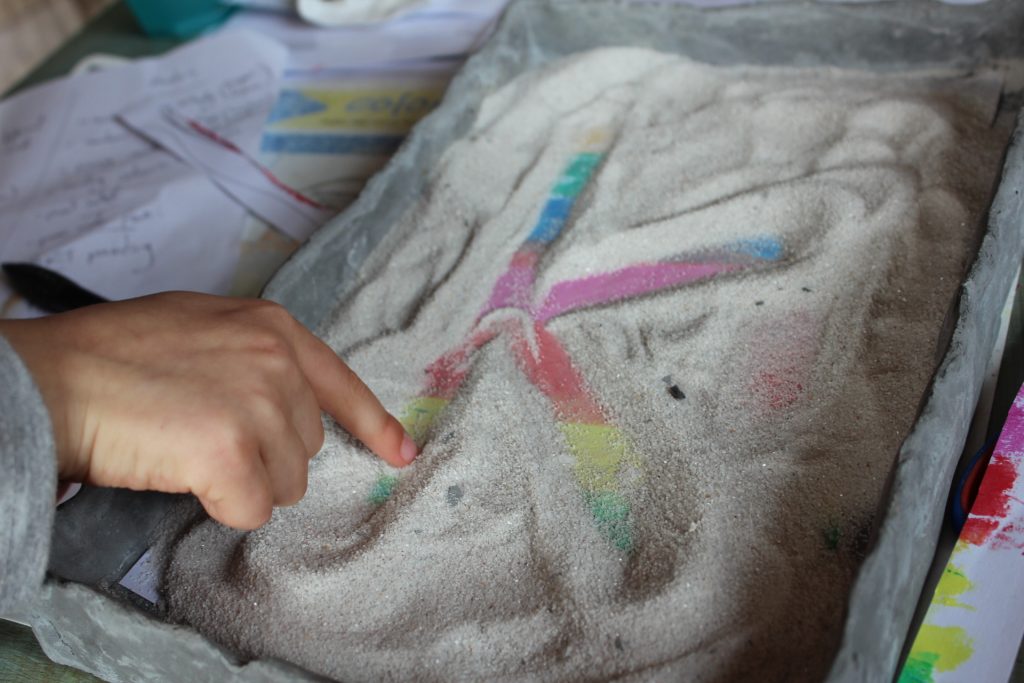
Put a rainbow coloured card at the bottom of a tray and then fill it with sand/flour/salt. Give your child their visual name card or the first letter of their name to copy and invite them to draw it in the tray with their finger…. Surprise – they will discover the beautiful colours of the rainbow underneath.
Benefits include: Development of fine motor skills, hand eye co-ordination, development of the sense of touch, name recognition and letter formation.
Every child is different, but we recommend introducing tactile letter formation activities such as these around 4 years of age. After your child has mastered shapes.
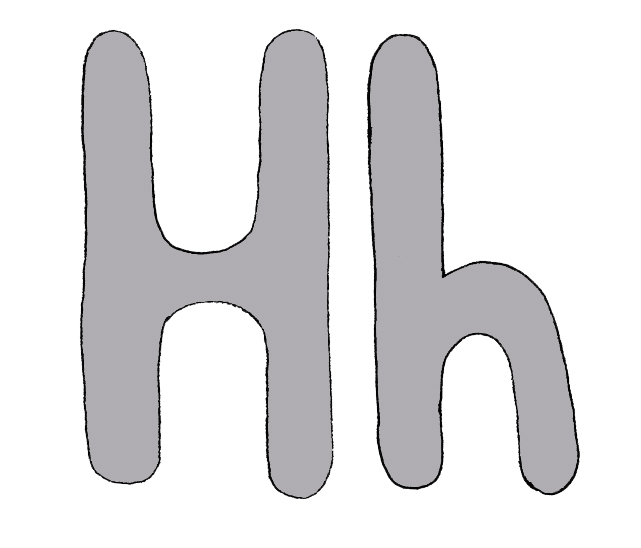
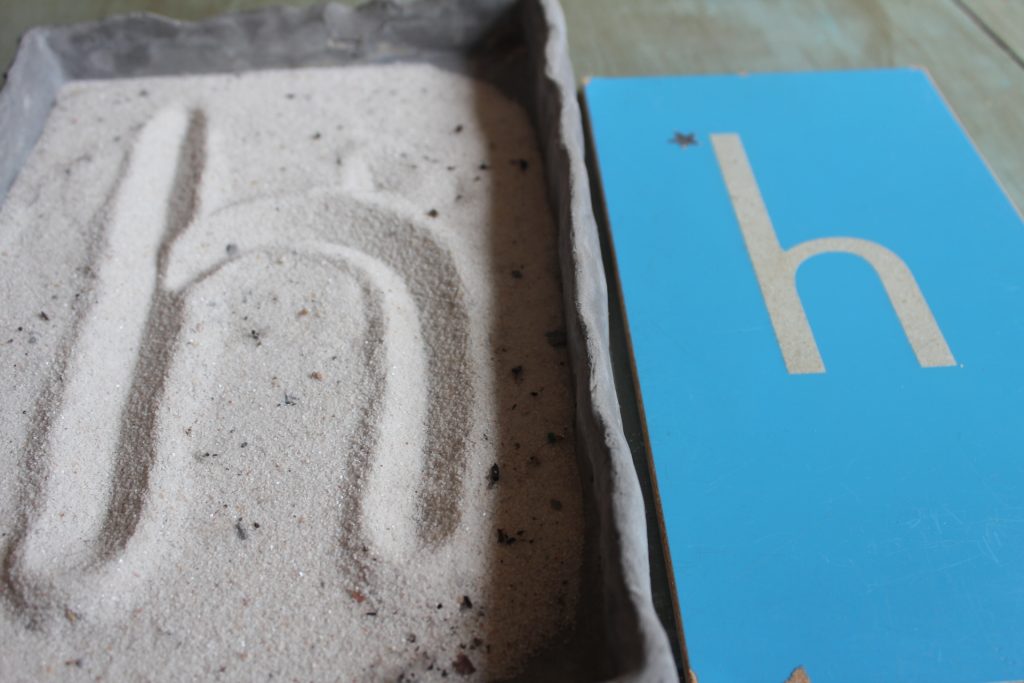
Learning points: help children to say the sound “h”, recognise the phonetic sound “h” in different words and help older children to recognise the visual formation of the letter “h”.
Did you know….identifying the sounds in a word is an important foundational skill needed for reading and writing? Sound identification always starts with identifying the first sound in a word, then later the last sound and finally the middle sound.
As we explore our African Alphabet together we are starting to help our children identify the first sound in words.
It’s important to remember here that each child will learn letters at their own pace and in their own time. Repetition, play and infusing learning into your child’s real life everyday context is the most effective way for them to learn.
Do you know hippo starts with the letter (sound) “h” and Harry Hatman? What other words begin with “h”. Let’s explore together….
Silly songs and rhymes are a wonderful way to develop your child’s auditory awareness. Join teacher Inger this week as she sings a silly song that infuses rhythm and rhyme with the letter “h” .
Ha Ha Ha Ho Ho Ho The hippopotamus laughed so He he he Hey hey hey The hippopopotomus Would say With a h and a h and a h and h The hippopoptomus Can play
3 things to look for with your “Giraffe’s” letter formation work: • Is your child using a tripod pencil grip? • Is your child forming their letters starting from the top to the bottom? • Is your child using their dominant hand?
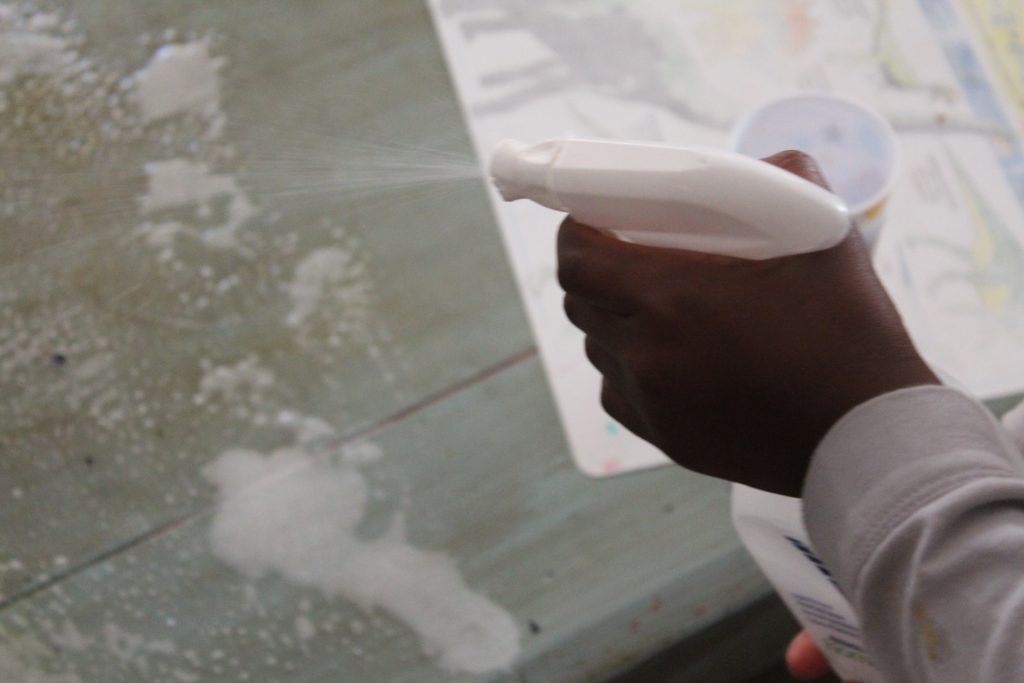
It’s important to note here that children need strength and dexterity in their hands and fingers before they can be expected to master writing letters. This is where fine motor activities become so important; examples of these include: playing with playdough, clothes pegs activities, using tongs, eyedroppers, using a spray bottle, threading/beading etc.
Fill the bottom of a tray with sand/flour/salt or even shaving cream. Give your child the visual letter card to copy and invite them to draw it in the tray with their finger.
Benefits include: Development of fine motor skills, hand eye co-ordination, development of the sense of touch, letter recognition and letter formation.
Every child is different, but we recommend introducing tactile letter formation activities such as these around 4 years of age. After your child has mastered shapes.
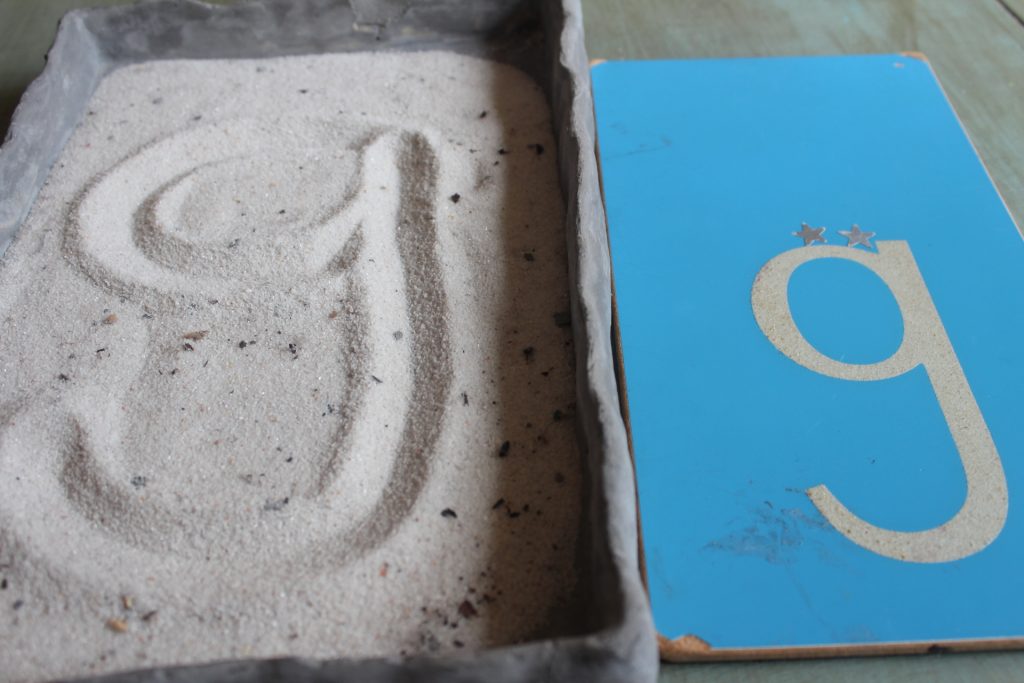
Learning points: help children to say the sound “g”, recognise the phonetic sound “g” in different words and help older children to recognise the visual formation of the letter “g”.
Did you know….identifying the sounds in a word is an important foundational skill needed for reading and writing? Sound identification always starts with identifying the first sound in a word, then later the last sound and finally the middle sound.
As we explore our African Alphabet together we are starting to help our children identify the first sound in words.
Do you know guinea fowl starts with the letter (sound) “g” and Go-Away bird? What other words begin with “g”. Let’s explore together….
*Side note – remember we are starting with learning phonetic sounds, so be careful to not include words like ‘Giraffe’ which actually phonetically sound more like a ‘J’, as this will confuse your little ones at this early stage.
Fill the bottom of a tray with sand/flour/salt or even shaving cream. Give your child the visual letter card to copy and invite them to draw it in the tray with their finger.
Benefits include: Development of fine motor skills, hand eye co-ordination, development of the sense of touch, letter recognition and letter formation.
Every child is different, but we recommend introducing tactile letter formation activities such as these around 4 years of age. After your child has mastered shapes.
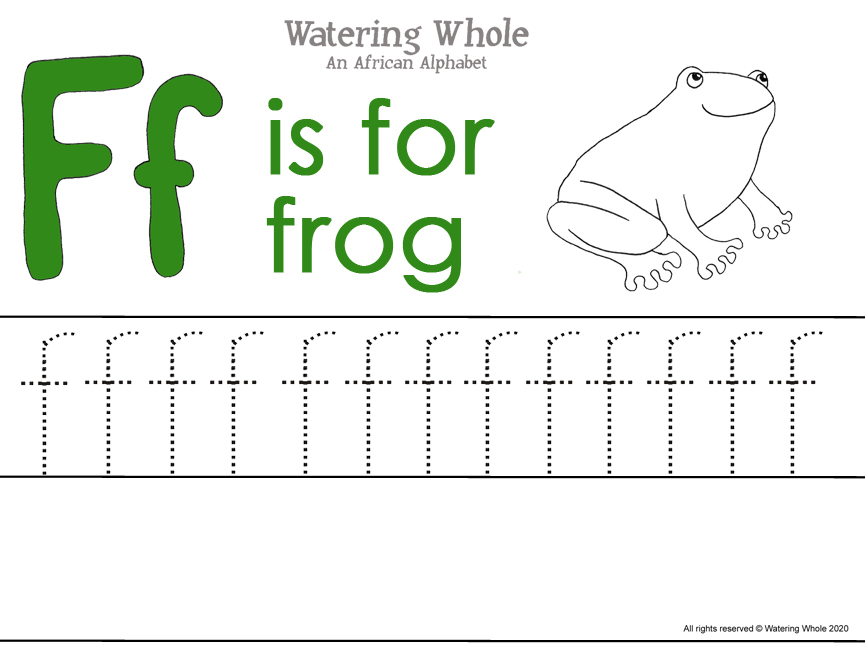
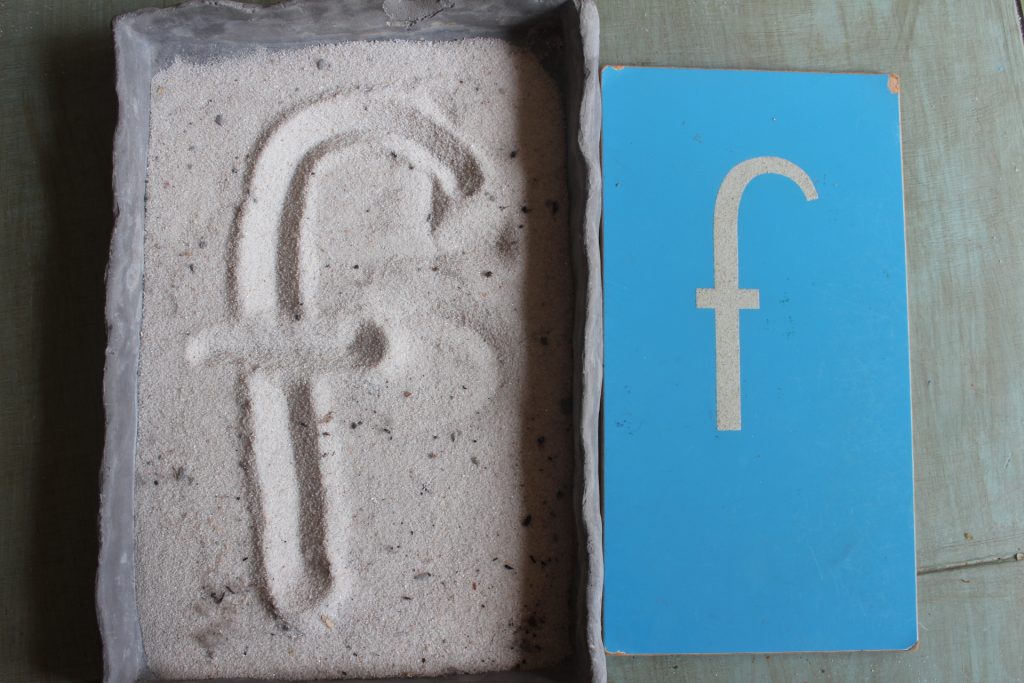
Learning points: help children to say the sound “f”, recognise the phonetic sound “f” in different words and help older children to recognise the visual formation of the letter “f”.
Do you know frog starts with the letter “f” and fire fighter? What other words begin with “f”. Let’s explore together….
Fill the bottom of a tray with sand/flour/salt or even shaving cream. Give your child the visual letter card to copy and invite them to draw it in the tray with their finger.
Benefits include: Development of fine motor skills, hand eye co-ordination, development of the sense of touch, letter recognition and letter formation.
Every child is different, but we recommend introducing tactile letter formation activities such as these around 4 years of age. After your child has mastered shapes.
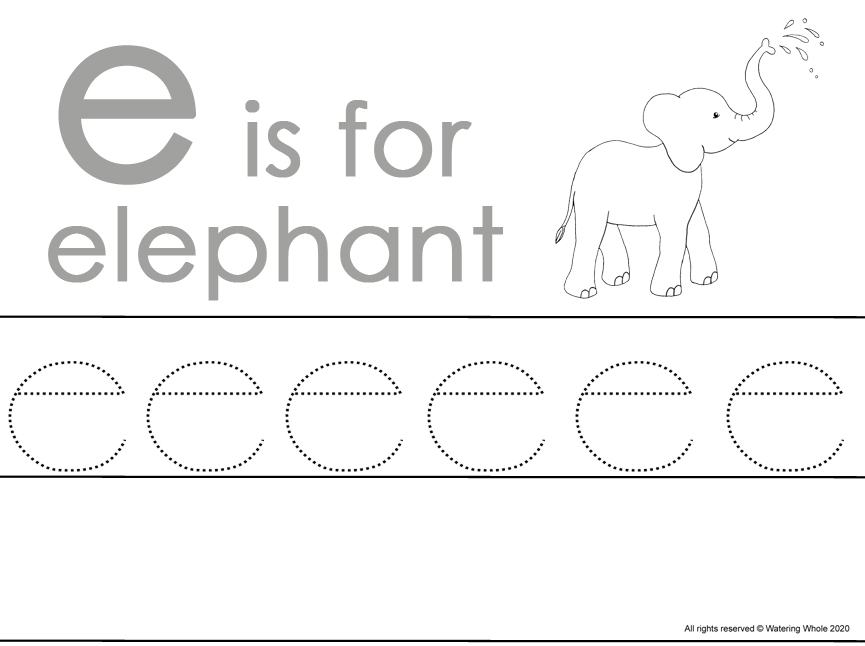
Learning points: help children to say the sound “e”, recognise the phonetic sound “e” in different words and help older children to recognise the visual formation of the letter “e”.
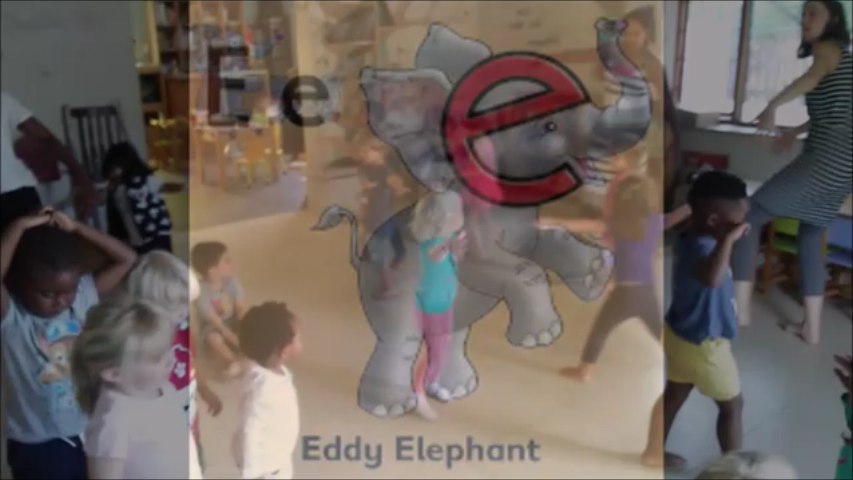
Do you know elephant starts with the letter “e” and egg? What other words begin with “e”. Let’s explore together….
Fill the bottom of a tray with sand/flour/salt or even shaving cream. Give your child the visual letter card to copy and invite them to draw it in the tray with their finger. Benefits include: Development of fine motor skills, hand eye co-ordination, development of the sense of touch, letter recognition and letter formation.
Learning points: help children to say the sound “d”, recognise the phonetic sound “d” in different words and help older children to recognise the visual formation of the letter “d”.
Do you know dolphin starts with the letter “d” and Dippy Duck? What other words begin with “d”. Let’s explore together….
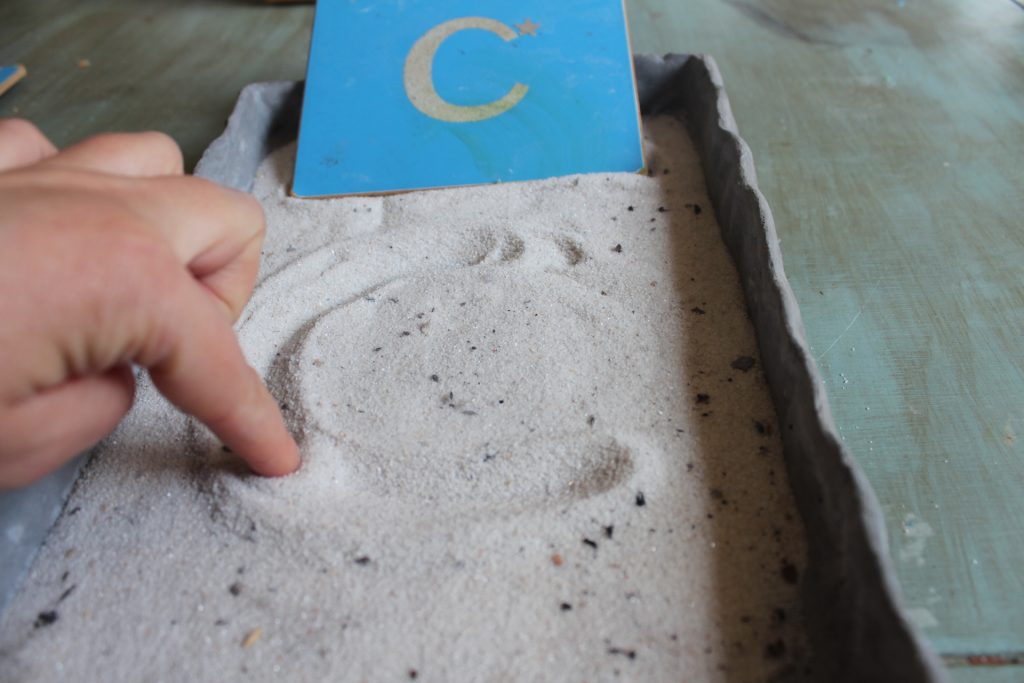
Fill the bottom of a tray with sand/flour/salt or even shaving cream. Give your child the visual letter card to copy and invite them to draw it in the tray with their finger. Benefits include: Development of fine motor skills, hand eye co-ordination, development of the sense of touch, letter recognition and letter formation.
Learning points: help children to say the sound “c”, recognise the sound “c” in different words and help older children to recognise the visual formation of the letter
Do you know Chameleon starts with the letter “c” and Clever Cat? What other words begin with “c”. Let’s explore together….
Learning points: introducing the concepts for the week and the letter C. instilling a love of books and reading; the foundation of language and literacy development.
Fill the bottom of a tray with sand/flour/salt or even shaving cream. Give your child the visual letter card to copy and invite them to draw it in the tray with their finger. Benefits include: Development of fine motor skills, hand eye co-ordination, development of the sense of touch, letter recognition and letter formation.
Learning points: help children to say the sound “b”, recognise the sound “b” in different words and help older children to recognise the visual formation of the letter “b”.
Do you know baboon starts with the letter “b”? What other words begin with “b”. Let’s explore together….
Fill the bottom of a tray with sand/flour/salt or even shaving cream. Give your child the visual letter card to copy and invite them to draw it in the tray with their finger. Benefits include: Development of fine motor skills, hand eye co-ordination, development of the sense of touch, letter recognition and letter formation.