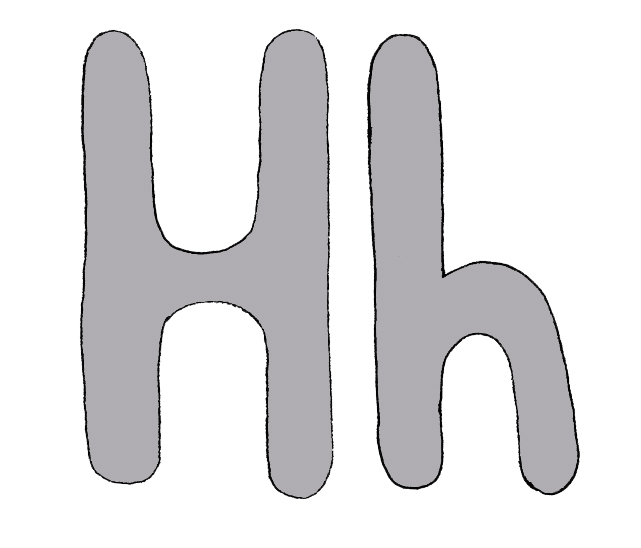
Learning points: help children to say the sound “h”, recognise the phonetic sound “h” in different words and help older children to recognise the visual formation of the letter “h”.
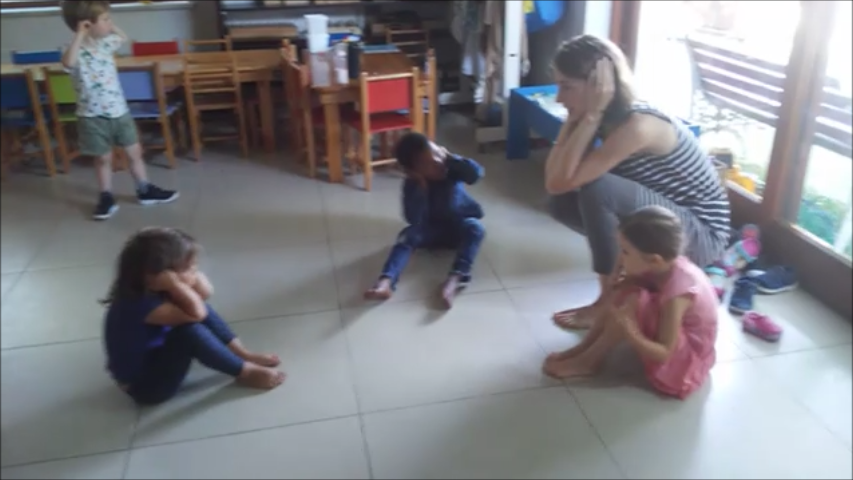
Did you know….identifying the sounds in a word is an important foundational skill needed for reading and writing? Sound identification always starts with identifying the first sound in a word, then later the last sound and finally the middle sound.
As we explore our African Alphabet together we are starting to help our children identify the first sound in words.
It’s important to remember here that each child will learn letters at their own pace and in their own time. Repetition, play and infusing learning into your child’s real life everyday context is the most effective way for them to learn.
Do you know hippo starts with the letter (sound) “h” and Harry Hatman? What other words begin with “h”. Let’s explore together….
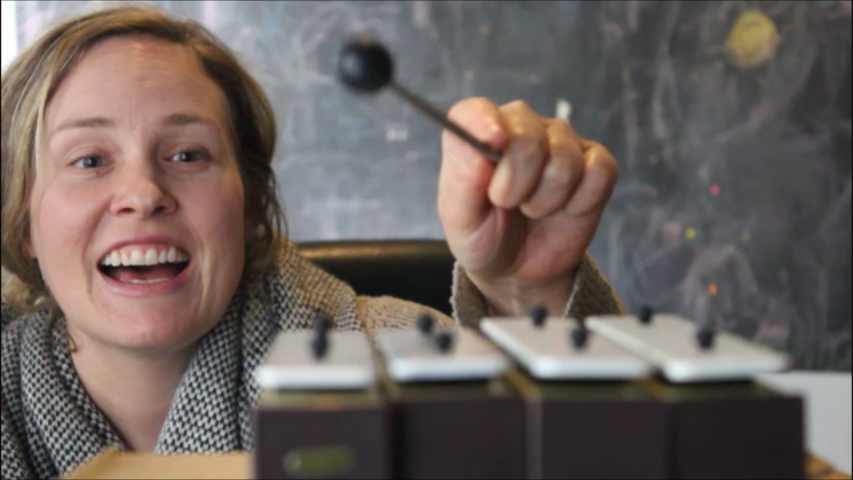
Silly songs and rhymes are a wonderful way to develop your child’s auditory awareness. Join teacher Inger this week as she sings a silly song that infuses rhythm and rhyme with the letter “h” .
Ha Ha Ha
Ho Ho Ho
The hippopotamus laughed so
He he he
Hey hey hey
The hippopopotomus
Would say
With a h and a h and a h and h
The hippopoptomus
Can play
3 things to look for with your “Giraffe’s” letter formation work:
• Is your child using a tripod pencil grip?
• Is your child forming their letters starting from the top to the bottom?
• Is your child using their dominant hand?
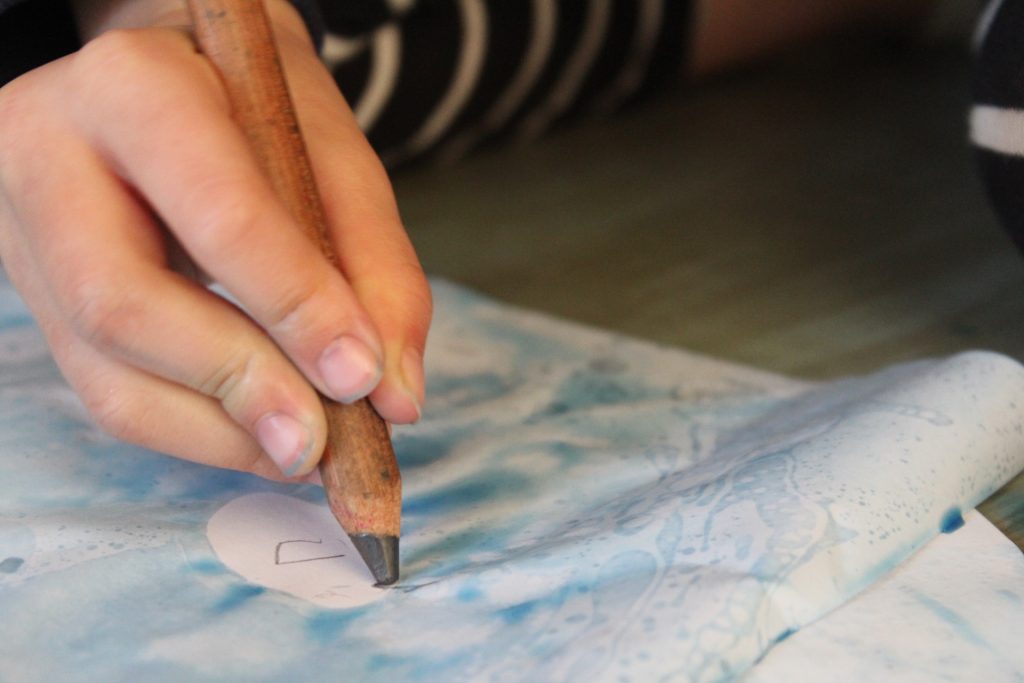
It’s important to note here that children need strength and dexterity in their hands and fingers before they can be expected to master writing letters. This is where fine motor activities become so important; examples of these include: playing with playdough, clothes pegs activities, using tongs, eyedroppers, using a spray bottle, threading/beading etc.
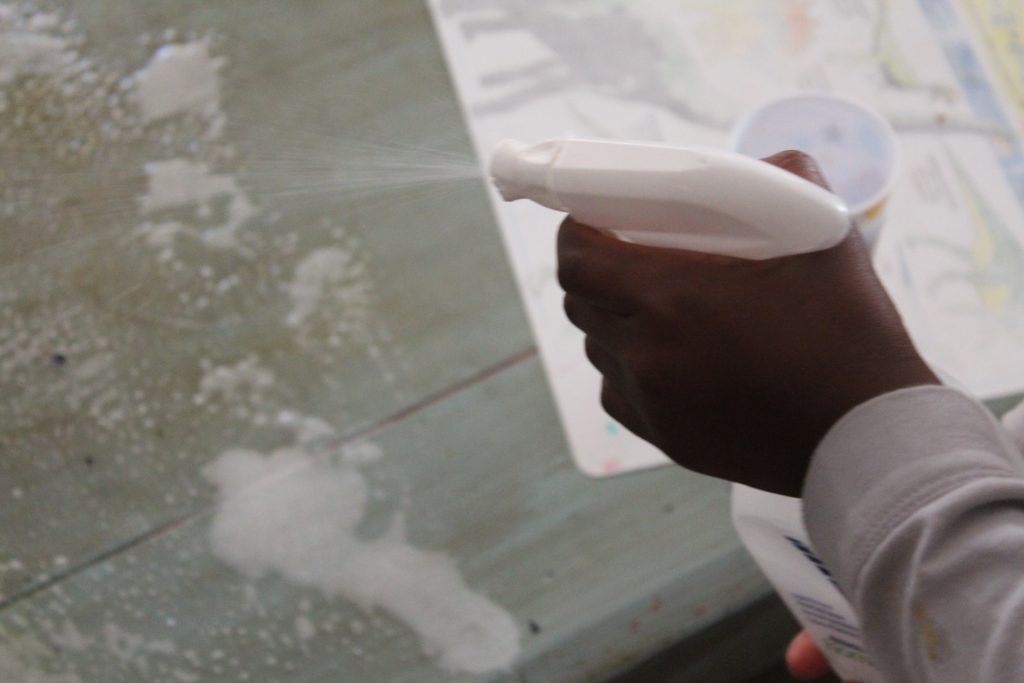
Additional Montessori inspired activity: Sensory writing Tray.
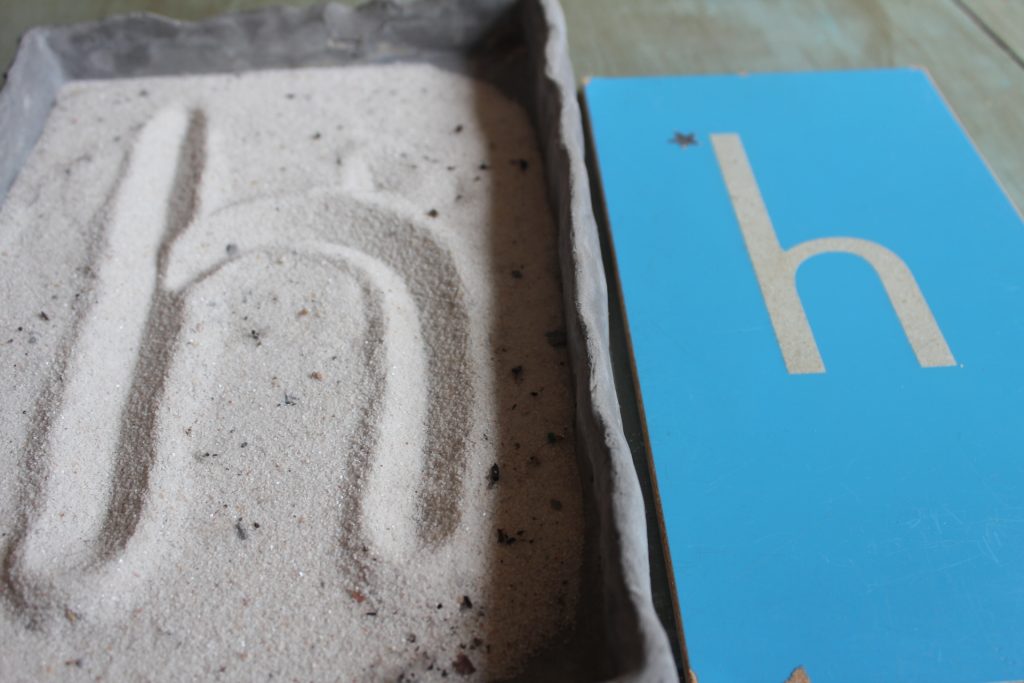
Fill the bottom of a tray with sand/flour/salt or even shaving cream. Give your child the visual letter card to copy and invite them to draw it in the tray with their finger.
Benefits include: Development of fine motor skills, hand eye co-ordination, development of the sense of touch, letter recognition and letter formation.
Every child is different, but we recommend introducing tactile letter formation activities such as these around 4 years of age. After your child has mastered shapes.