Hh is for Hippopotamus, measurement in early maths and developing problem solving skills in EQ.
Other concepts: The colour grey, rectangles, nursery rhyme fun and contextualising shapes.

Other concepts: The colour grey, rectangles, nursery rhyme fun and contextualising shapes.
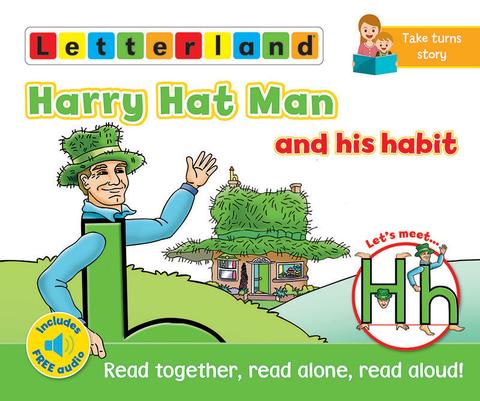

Learning points: introducing the concepts for the week and the letter Hh. Instilling a love of books and reading; the foundation of language and literacy development.
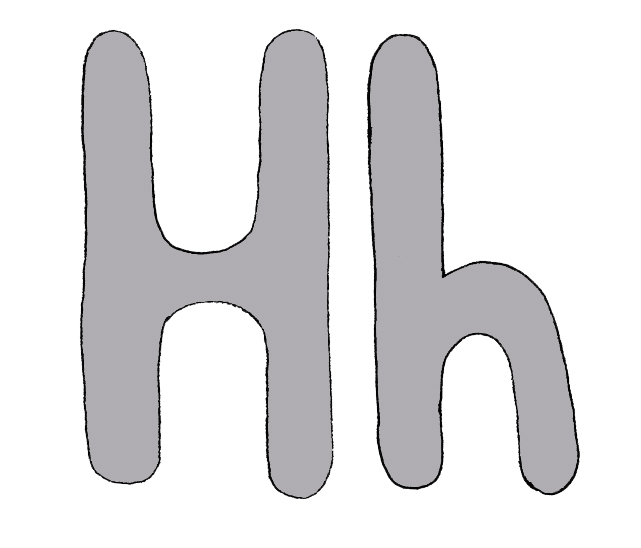
Learning points: help children to say the sound “h”, recognise the phonetic sound “h” in different words and help older children to recognise the visual formation of the letter “h”.
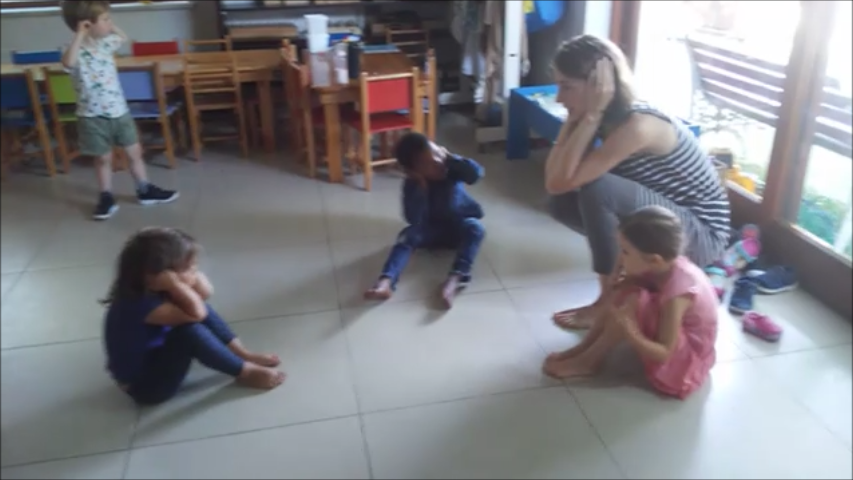
Did you know….identifying the sounds in a word is an important foundational skill needed for reading and writing? Sound identification always starts with identifying the first sound in a word, then later the last sound and finally the middle sound.
As we explore our African Alphabet together we are starting to help our children identify the first sound in words.
It’s important to remember here that each child will learn letters at their own pace and in their own time. Repetition, play and infusing learning into your child’s real life everyday context is the most effective way for them to learn.
Do you know hippo starts with the letter (sound) “h” and Harry Hatman? What other words begin with “h”. Let’s explore together….
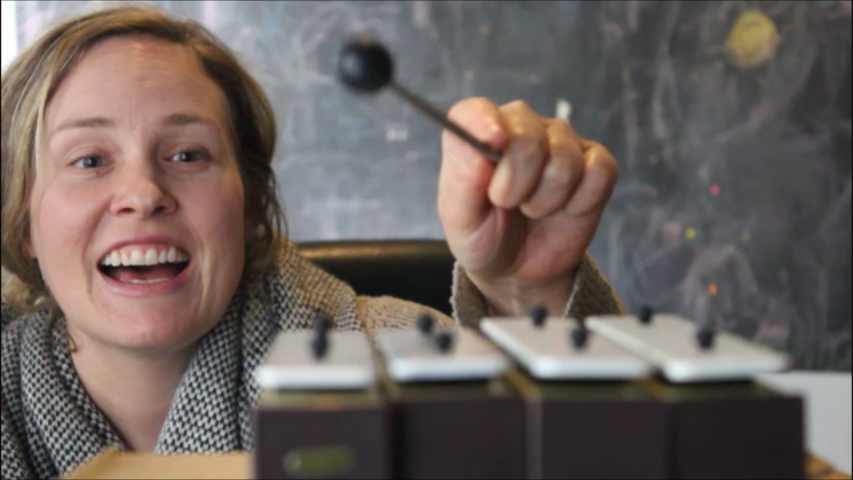
Silly songs and rhymes are a wonderful way to develop your child’s auditory awareness. Join teacher Inger this week as she sings a silly song that infuses rhythm and rhyme with the letter “h” .
Ha Ha Ha
Ho Ho Ho
The hippopotamus laughed so
He he he
Hey hey hey
The hippopopotomus
Would say
With a h and a h and a h and h
The hippopoptomus
Can play
3 things to look for with your “Giraffe’s” letter formation work:
• Is your child using a tripod pencil grip?
• Is your child forming their letters starting from the top to the bottom?
• Is your child using their dominant hand?
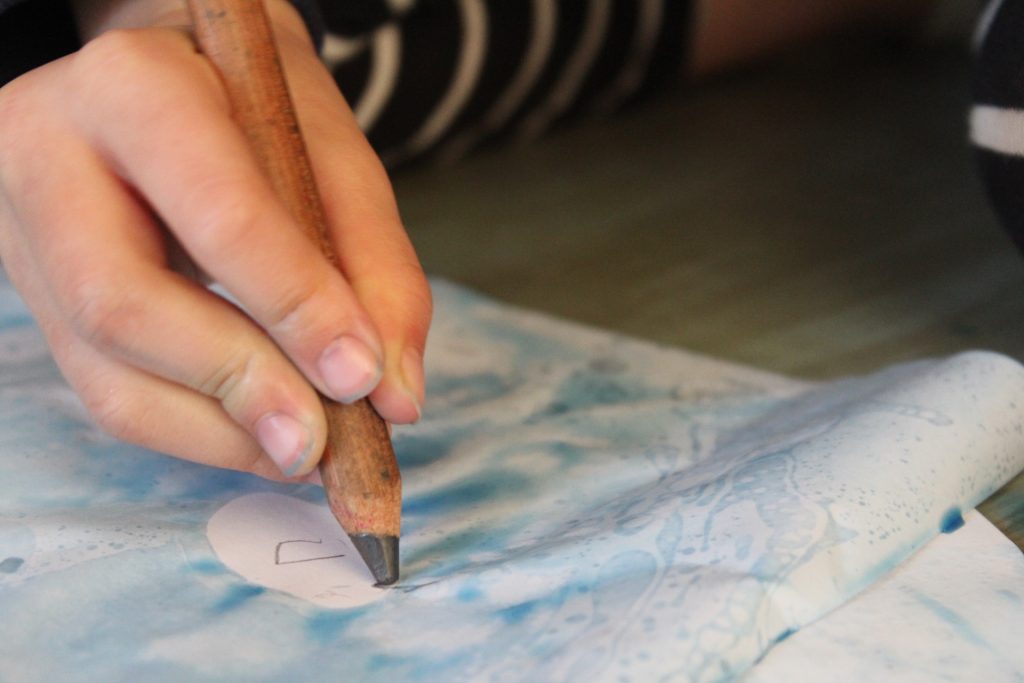
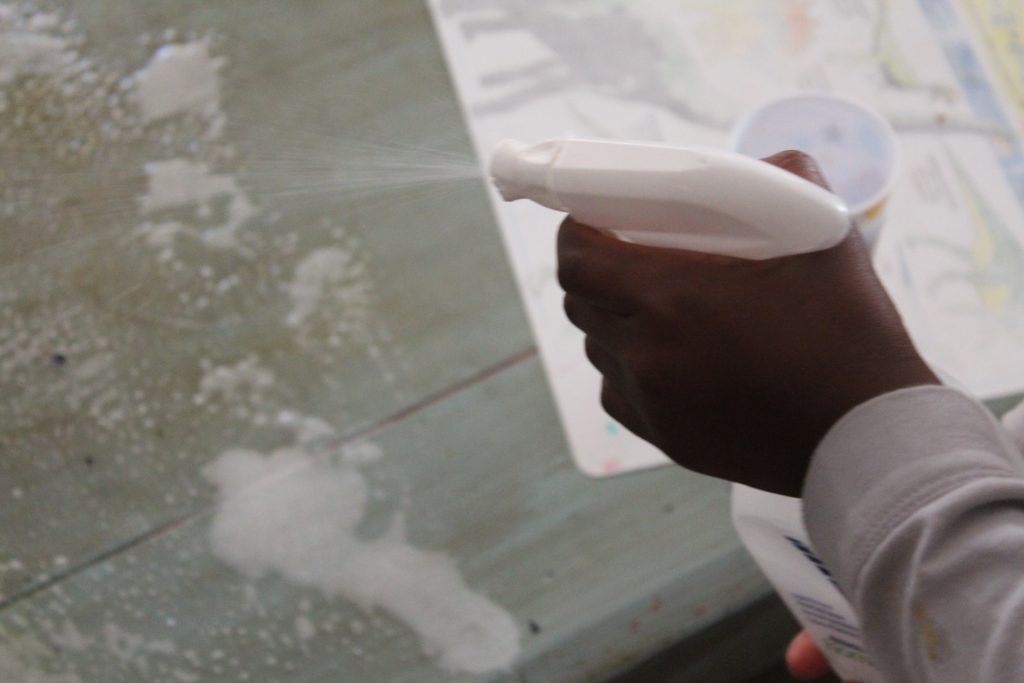
It’s important to note here that children need strength and dexterity in their hands and fingers before they can be expected to master writing letters. This is where fine motor activities become so important; examples of these include: playing with playdough, clothes pegs activities, using tongs, eyedroppers, using a spray bottle, threading/beading etc.
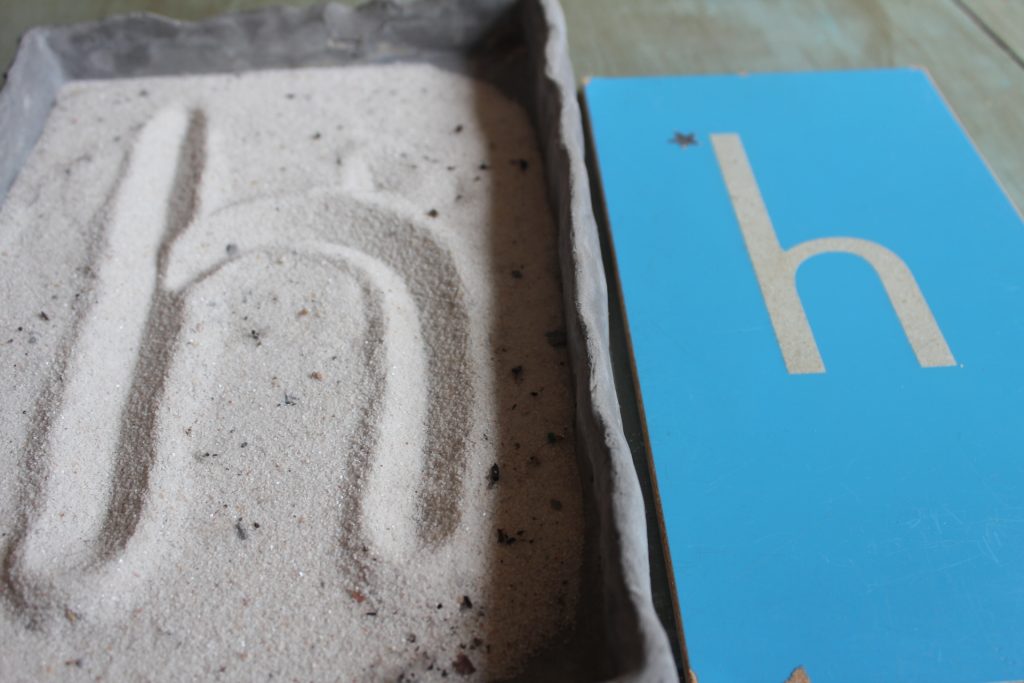
Fill the bottom of a tray with sand/flour/salt or even shaving cream. Give your child the visual letter card to copy and invite them to draw it in the tray with their finger.
Benefits include: Development of fine motor skills, hand eye co-ordination, development of the sense of touch, letter recognition and letter formation.
Every child is different, but we recommend introducing tactile letter formation activities such as these around 4 years of age. After your child has mastered shapes.
The more we infuse the learning of shapes and colours into our daily living, the easier it will be for our children to learn these concepts.
This week we are introducing rectangles and have created this fun worksheet as a way to contextualise shapes into daily living.
Did you know in order for children to be able to read and write they first need to develop their visual discrimination skills? Otherwise one number or letter can look much the same as another!
Visual discrimination is the ability to pay attention to details and see differences and similarities in different objects or symbols such as shape, colour, size etc.
This activity will help your children to develop visual discrimination skills!
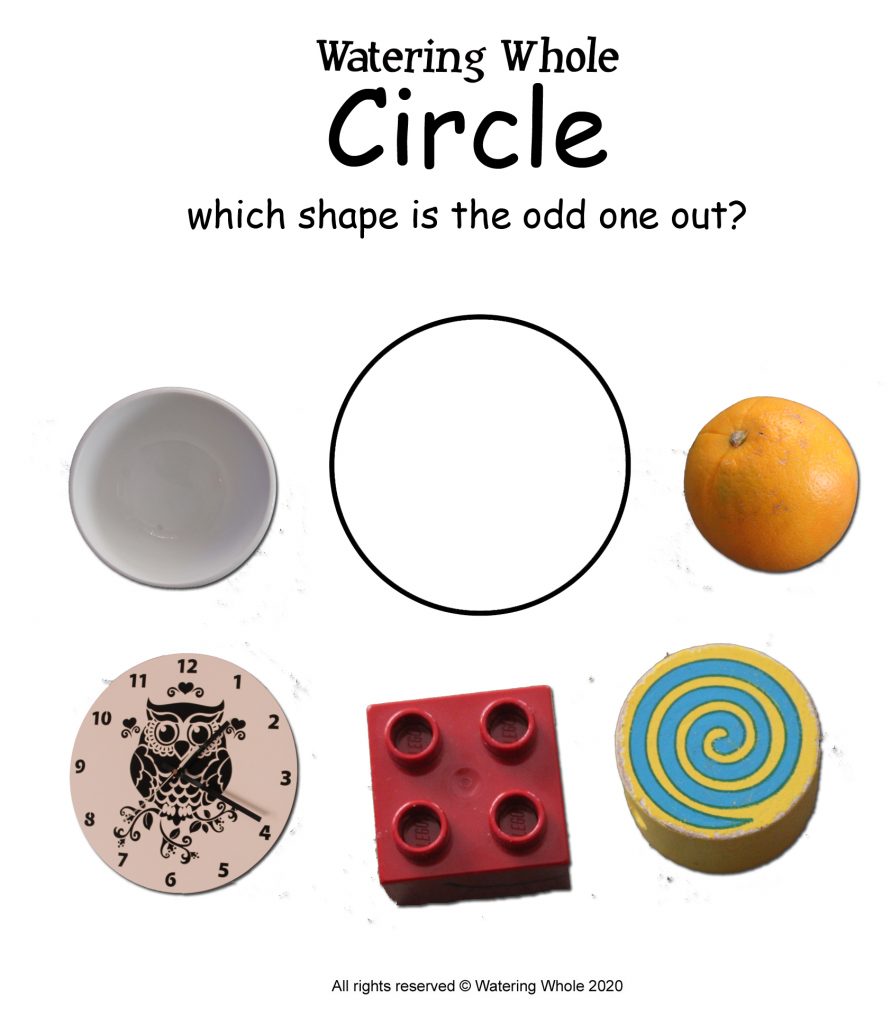
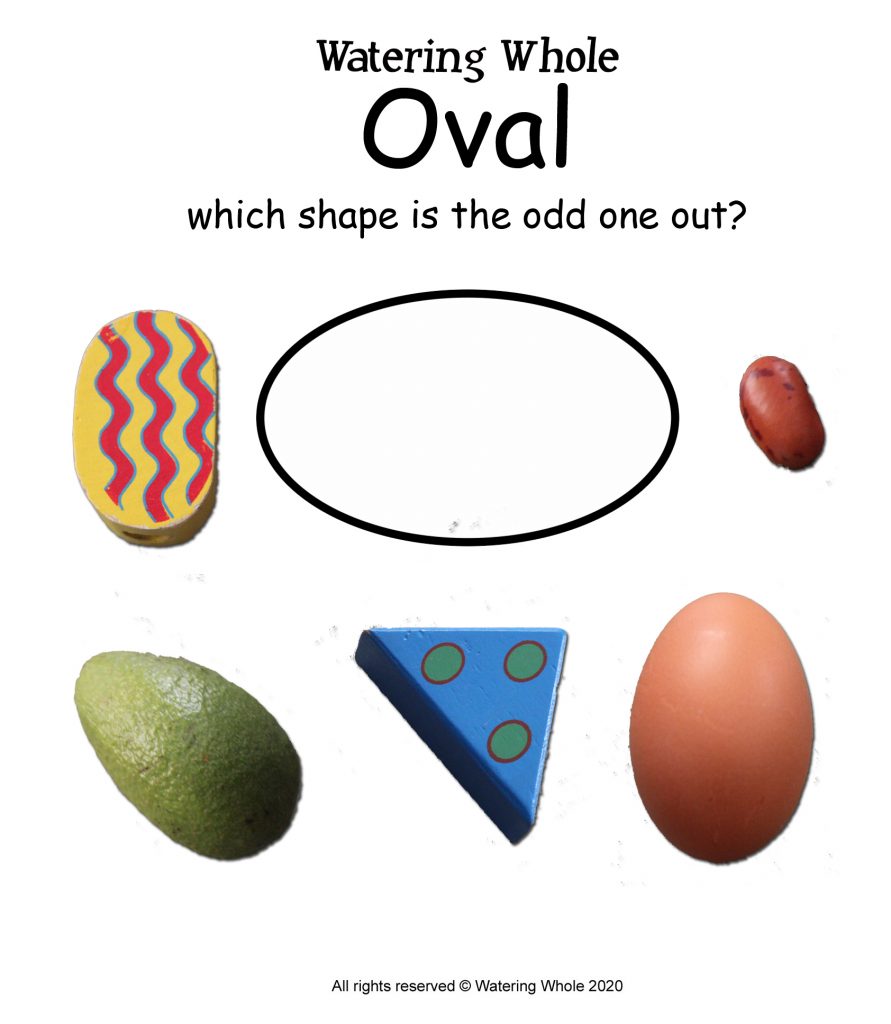

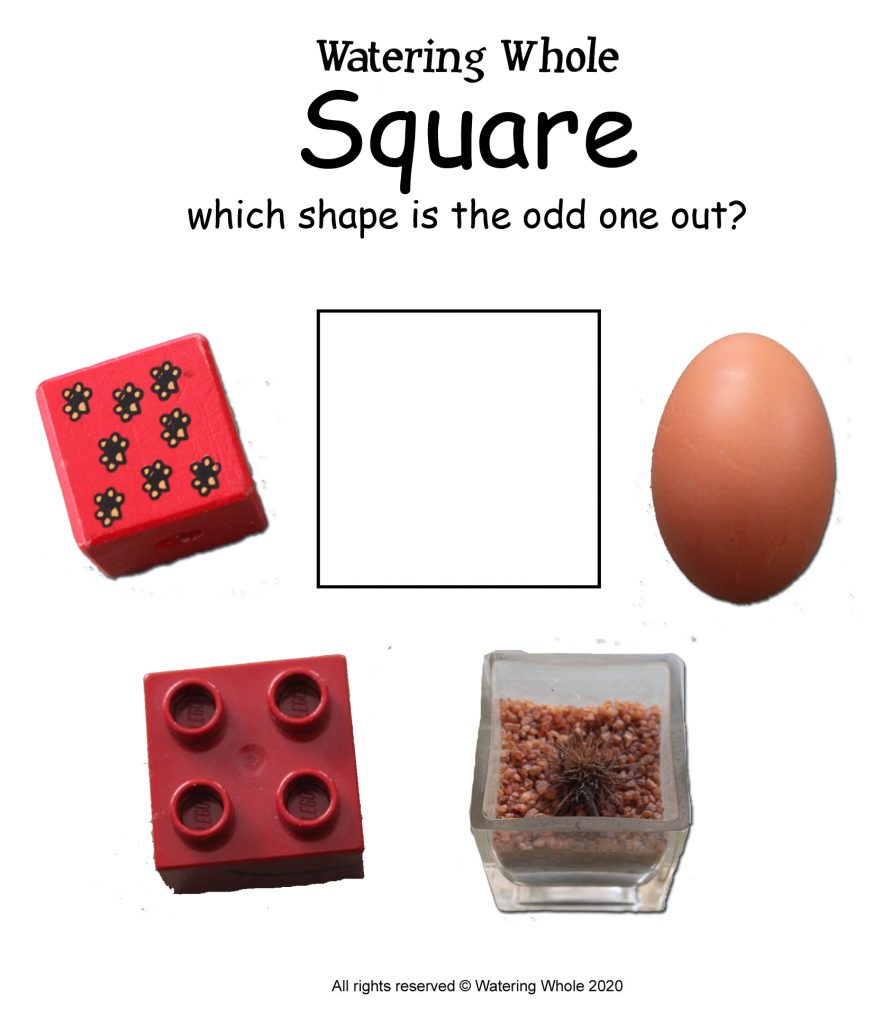
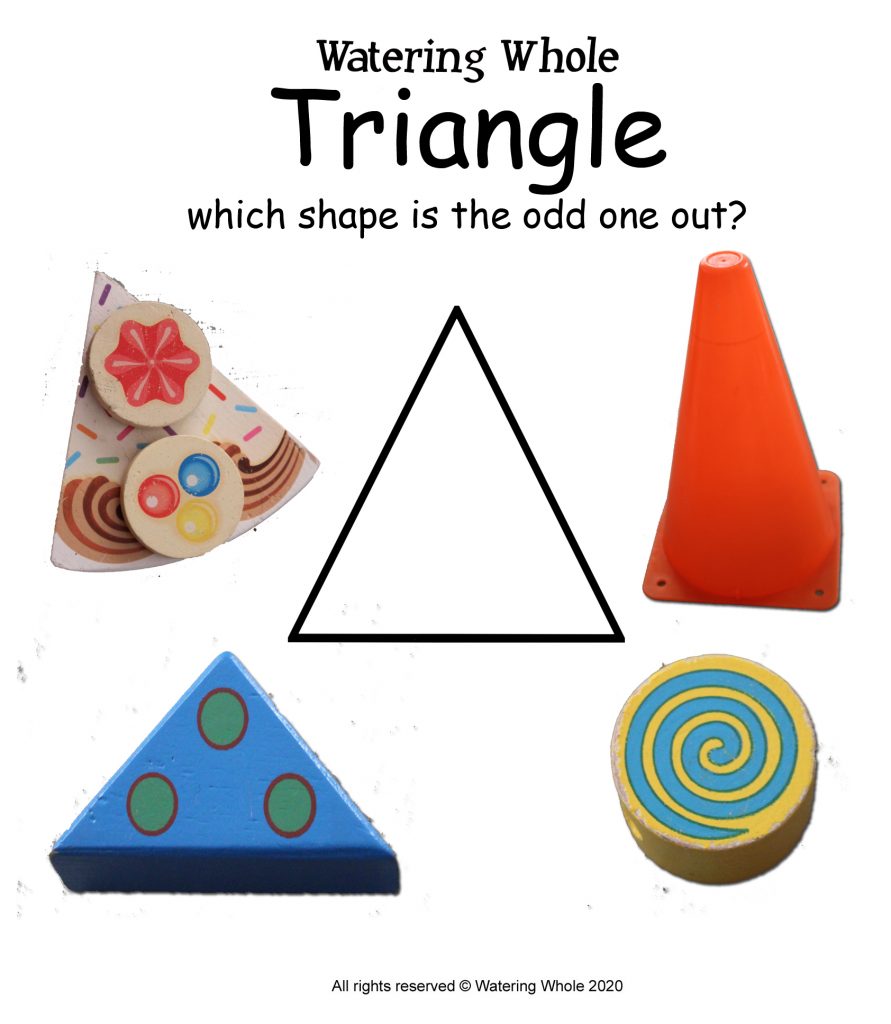
Benefits: Developing visual discrimination skills, learning of shapes Circle, Triangle, Oval, Rectangle, Square
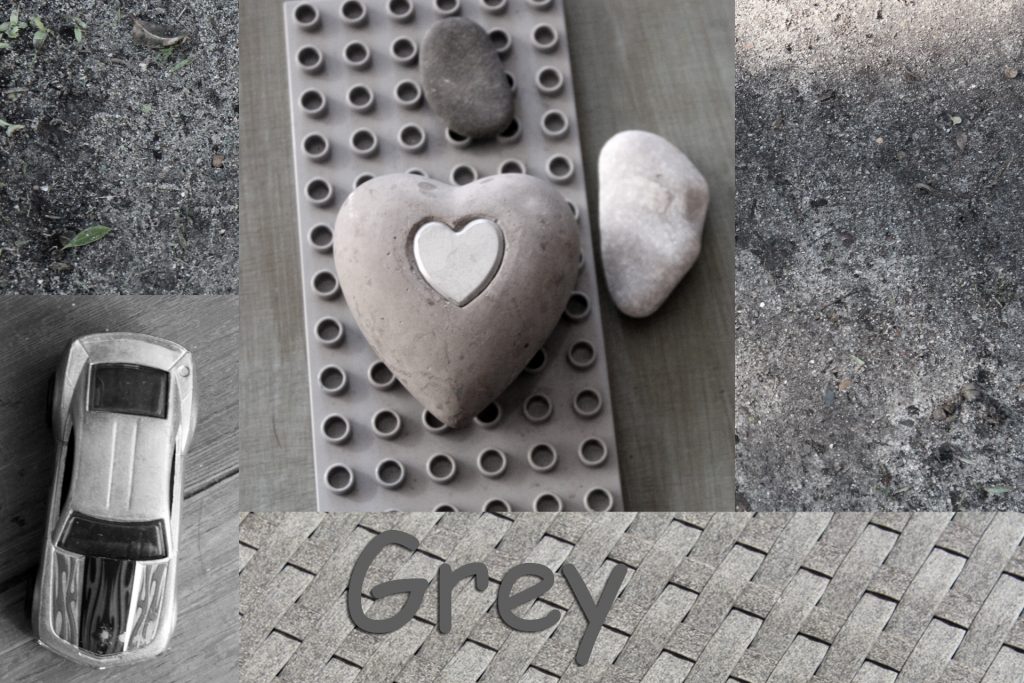
Our hippo is grey…what other things are grey? Rain clouds? The road? Some rocks and stones? Let’s spend some time this week looking for grey things together.
Benefits include: Language development, rhythm and rhyme (pre-reading skill), fine motor development (actions)
“Hickory Dickory Dock”
(Learning counting and tactile movement pattern good for sensory integration)

“Hey diddle, diddle”
(learning positional words)


Did you know Hippopotamus comes from the Ancient Greek ‘river horse’?
The hippopotamus is semi-aquatic, inhabiting rivers and lakes. They will remain in the water and mud throughout the day to keep cool and at dusk they will emerge to graze on grass.
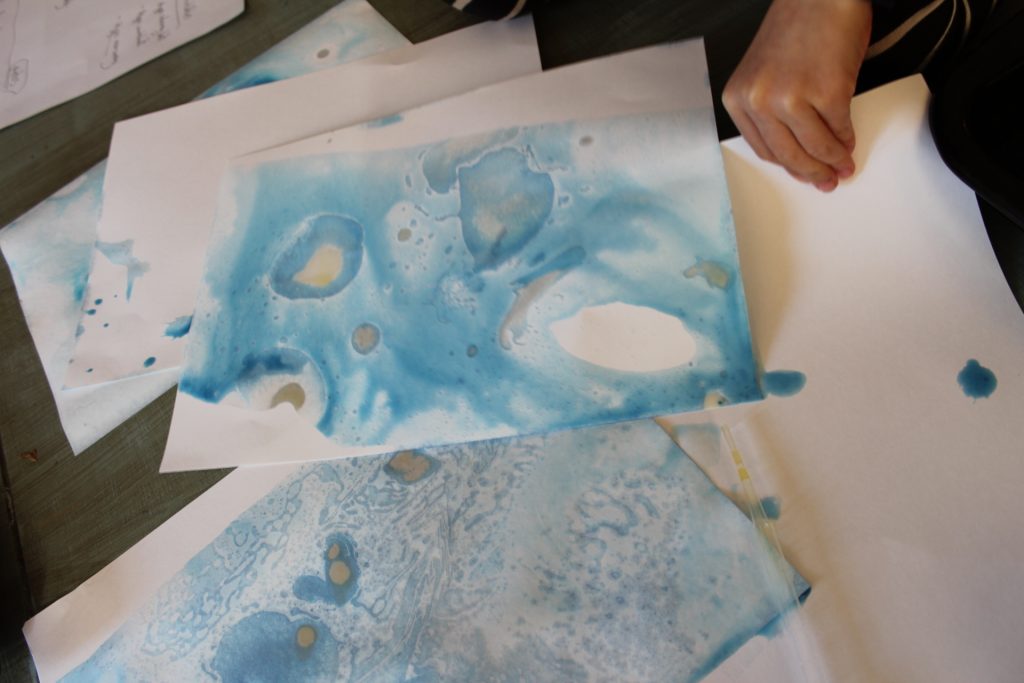
This week we are combining art and science to create beautiful oil and water paintings.
You will need:
• shallow baking dish with a layer of coloured water (use a few drops of food colouring)
• cooking oil in a small bowl
• heavy paper or card
• eye droppers/pipettes – wonderful for some fine motor work.
Directions:
Invite your child to make a few drops of oil in the water using an eye dropper/pippette
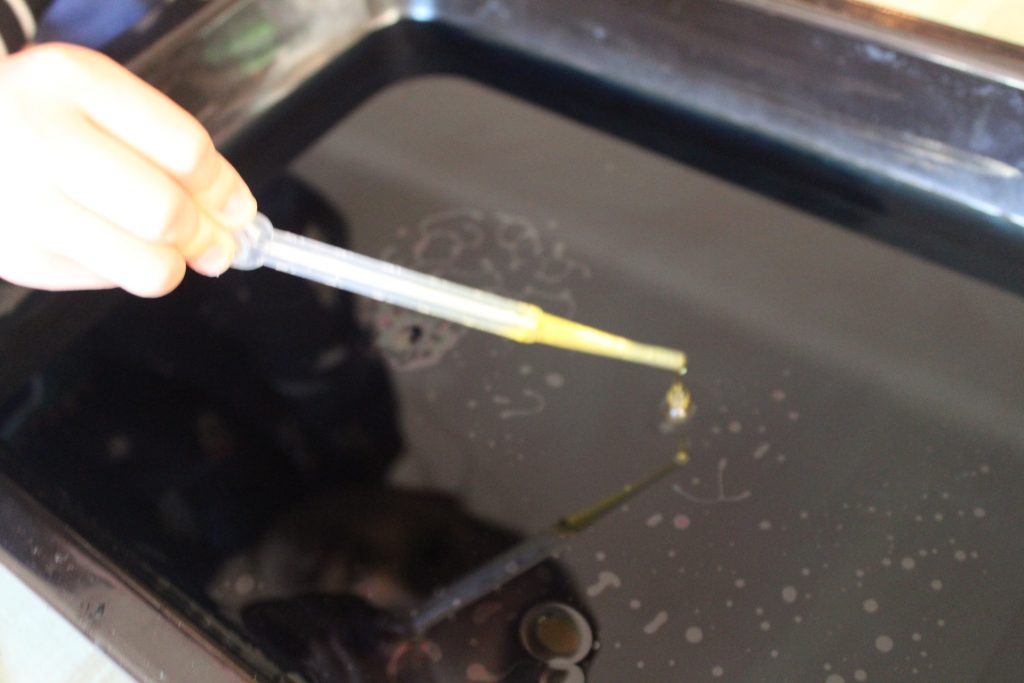
Gently lay a sheet of paper on top just for a moment and then remove to dry.

The effect… a beautiful marble-like picture. The science…. Oil and water don’t mix because water molecules are polar and oil molecules are non-polar. In the baking dish you will notice that the water molecules will pull towards one another and the oil the same. Oil is also less dense than water so it will float on the surface of the water.
This week we are introducing another important early maths concept – measurement.
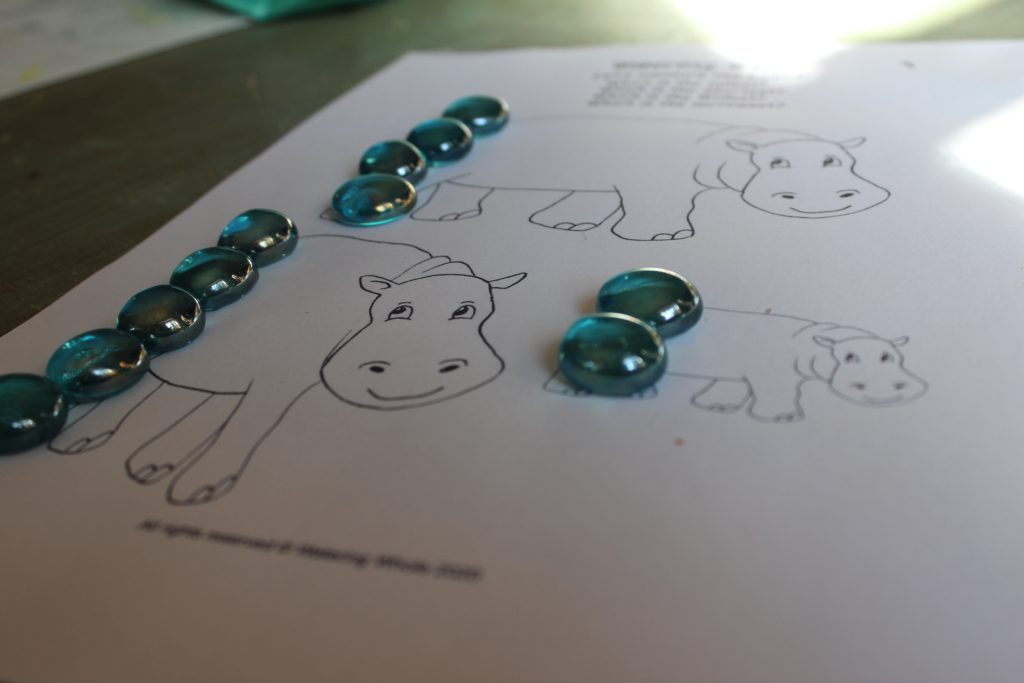
Learning about sizes and how to measure and compare different objects is a wonderful early maths activity. Introduce language like big and small, tall and short, wide and narrow.
Whist measuring is usually done with a ruler or tape measure. It is also important to introduce other non-standard units of measurement. Like blocks, beads, pompoms or counters.
This is wonderful counting practice too.
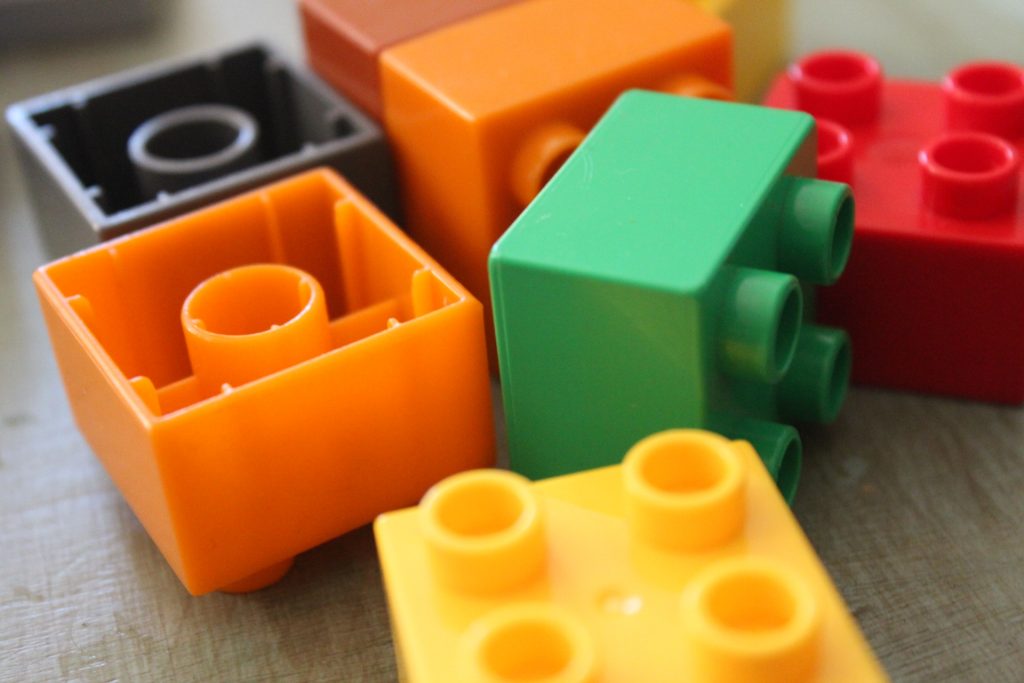
Have some fun measuring at home this week! How many blocks tall is your couch? What about the chair leg?

We have also created this hippo measurement printable for you to work on some measuring skills:
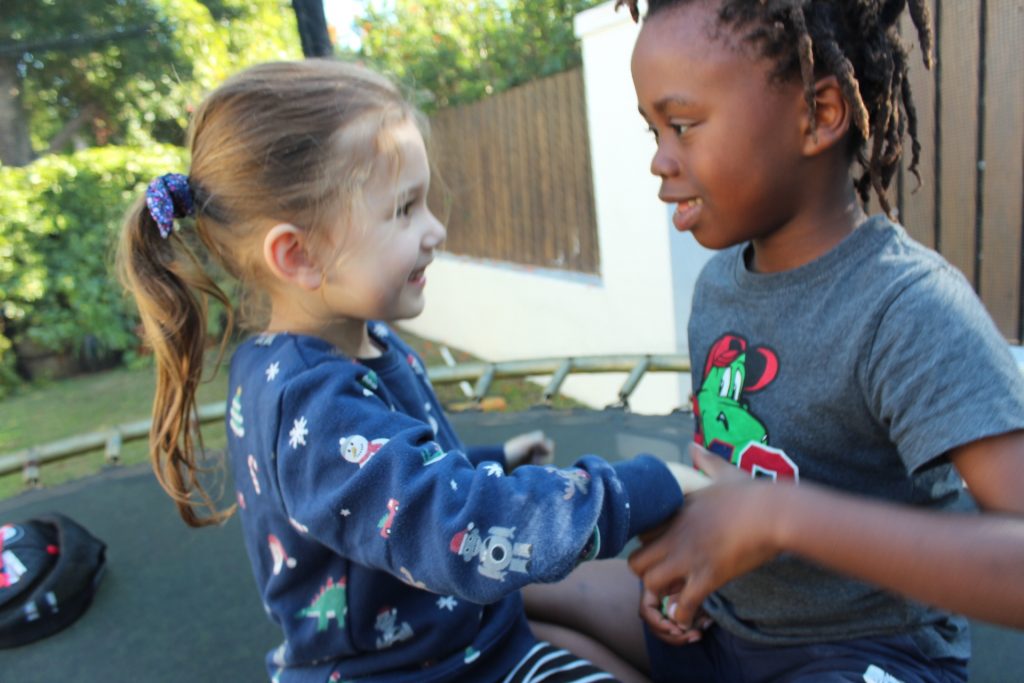
Helping our children to problem solve with this simple 2-step process: Reflection and question.
“Since the jobs that our preschoolers will do probably don’t exist yet, our priority is to teach them the skills to adapt and inquire and question and cooperate…life skills. So much more useful than rigid concepts such as the alphabet.” ~ Caroline Bellouse
As adults, our go-to is so often to quickly solve our children’s problems for them. When two children are fighting over a toy we come in to help by telling them what to do… “First “A” can play with the toy and the “B” can have a turn”.
I remember many years ago the first time I tried this problem-solving concept out in the preschool. I noticed two children fighting over a particular toy in the classroom and went over to ask what was happening. First I asked each child what their grievance was, both exclaimed they wanted to play with the same horse. Rather than jumping in with a solution… this time I said…
“Hmmm “A” wants to play with the horse and “B” wants to play with the same horse…I wonder what a solution could be?”
By stating the problem and asking each child for a solution, they took ownership over their conflict and problem solved together. In the end they decided it best to take turns.
This was an incredible moment for me and has changed the way I deal with conflict in the classroom and the home. You will be amazed how reflecting the problem and asking children to think up different solutions creates wonderful problem solving skills from a very early age!
If a child is struggling to come up with solutions then I will come up with some ideas too…but these are ideas to ponder upon together rather than me telling them exactly what to do.
An example of using this concept at home would be when both children are needing something from one adult at the same time!
I would say, “Zakai I can see you have so much energy right now and you are asking to play on the trampoline with me, and Kamali, you have explained how you would really like to sit and read together right now ….and I am only one person so can’t do two things at the same time….hmmmm…what ideas could we come up with to find a solution here?”
The children usually come up with many different ideas and we are able to find a compromise together.
This process does not work every time, but it is a wonderful way to start introducing problem solving and conflict resolution ways of thinking.
We would love to hear what happens if you try this approach in your home? Please do share some of your stories or questions with us.
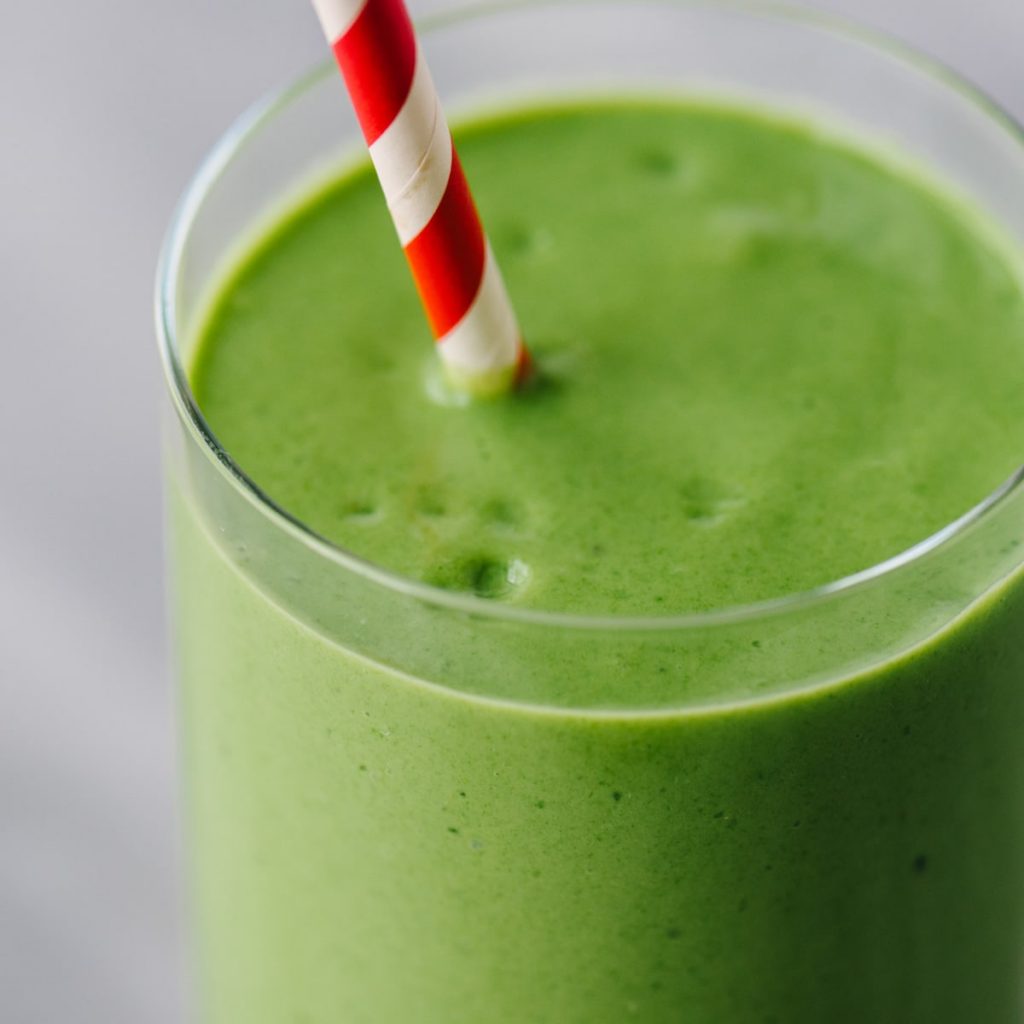
Did you know….Hippopotamuses are herbivores and mainly eat grass? They spend four or five hours a day grazing.
Let’s make our own hippo themed “Green Grass” smoothie this week. It’s very simple, tastes great and is a wonderful way to get some greens into our little one.
Blend together:
1 Banana
A handful of chopped up strawberries or mango
A cup of milk (or more depending on the thickness you would like)
A handful of baby spinach
“Don’t want to be a hippo. No! No! No!
Rather be a zebra or a buffa-buffa-lo
Rather be that monkey, swinging in his tree,
Rather be a monkey than a hippo like me.”
In our story this week Hippo doesn’t want to be a hippo any more….so he goes in search of another animal he could become. Have fun exploring different animal movements with hippo this week:

© 2012-2026 Watering Whole Holistic Preschool All Rights Reserved