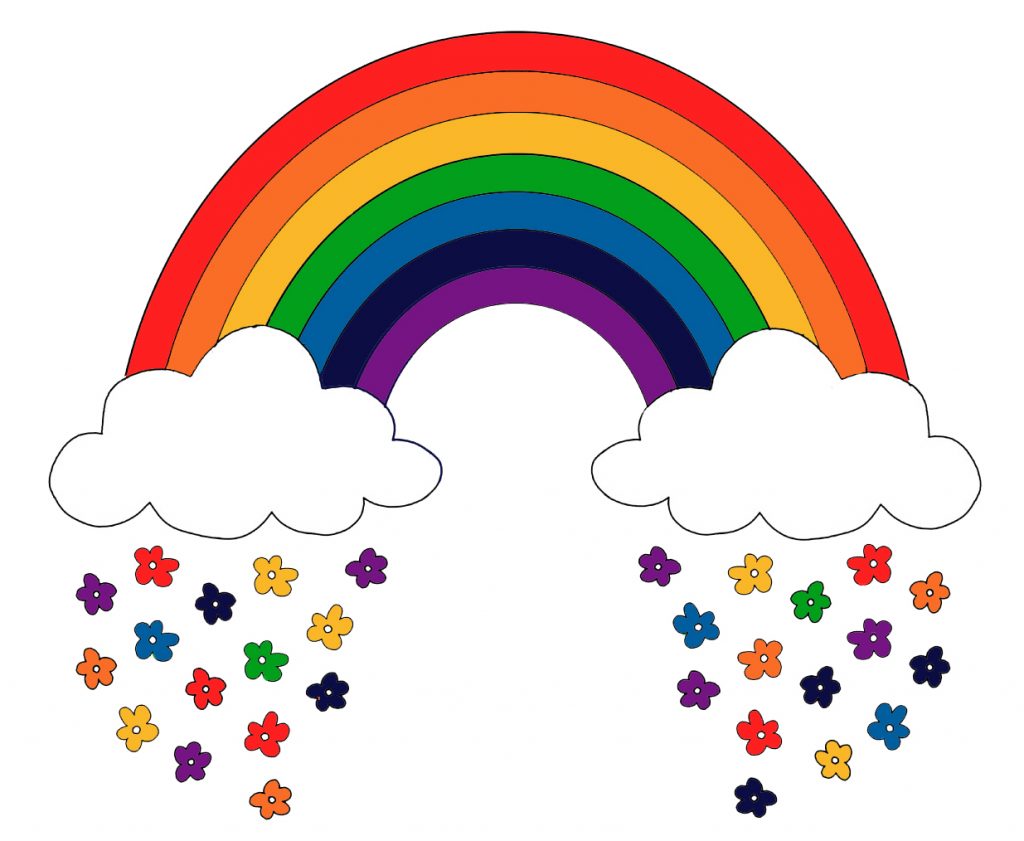
Imagine a world that had no colour And everything was grey? No browns, no pinks, no greens, no blues Just grey and grey all day? Imagine a world where everyone was exactly the same as me? No differences between us? What a boring place that would be.
…aren’t we lucky to have this beautiful colourful world that we live in?
Sing along to this well-known 1955 song with teacher Inger “I can sing a Rainbow”
Introducing rectangles and contextualising shapes.
The more we infuse the learning of shapes and colours into our daily living, the easier it will be for our children to learn these concepts.
This week we are introducing rectangles and have created this fun worksheet as a way to contextualise shapes into daily living.
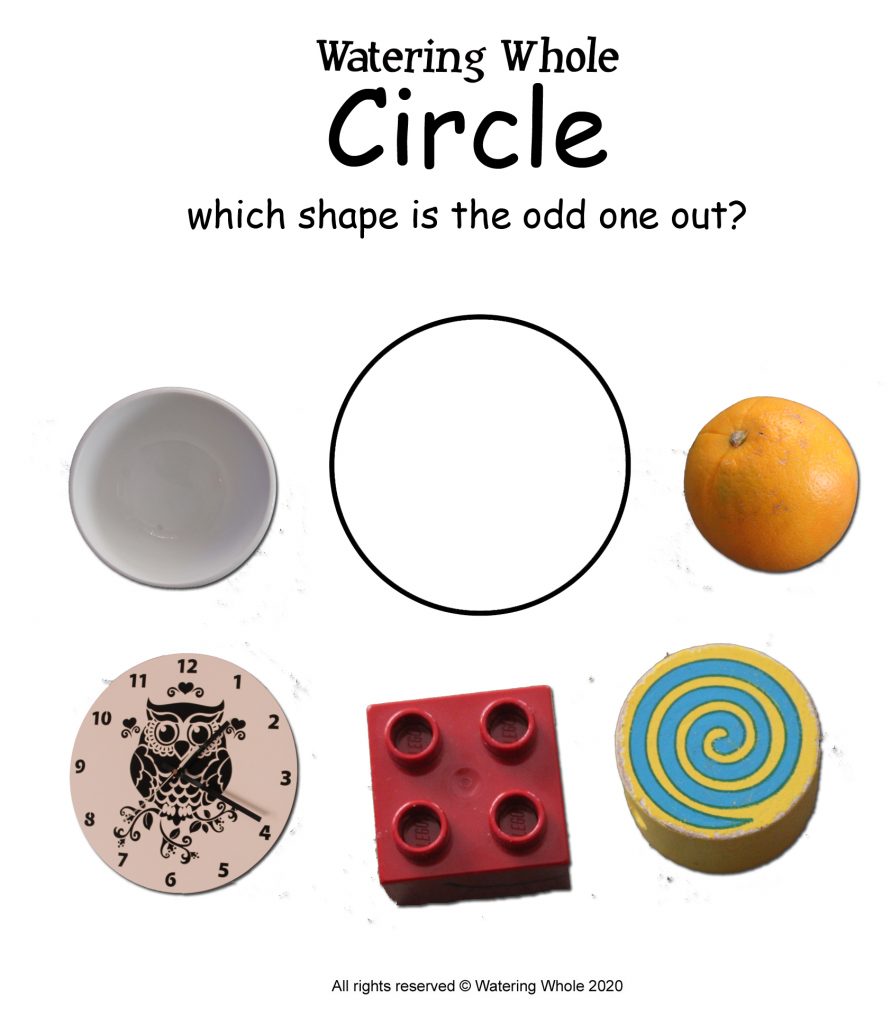
Did you know in order for children to be able to read and write they first need to develop their visual discrimination skills? Otherwise one number or letter can look much the same as another!
Visual discrimination is the ability to pay attention to details and see differences and similarities in different objects or symbols such as shape, colour, size etc.
This activity will help your children to develop visual discrimination skills!
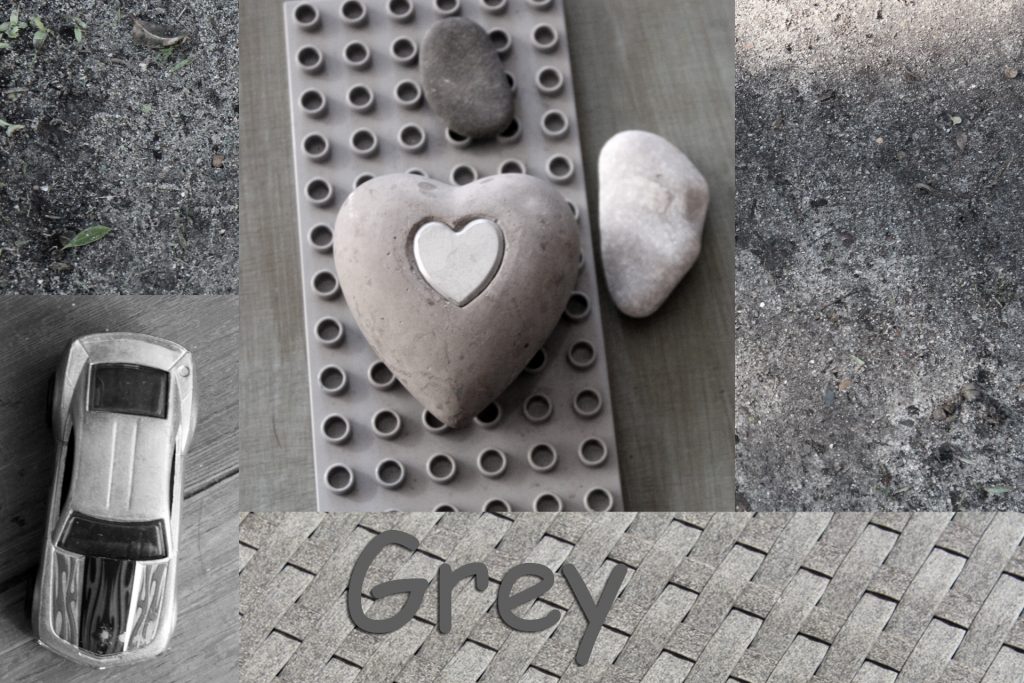
Our hippo is grey…what other things are grey? Rain clouds? The road? Some rocks and stones? Let’s spend some time this week looking for grey things together.
Included in our foundational concepts this week are some “H” themed nursery rhymes:
Benefits include: Language development, rhythm and rhyme (pre-reading skill), fine motor development (actions)
“Hickory Dickory Dock” (Learning counting and tactile movement pattern good for sensory integration)
Did you know if we mix yellow and red we can make orange? This week we are going to have fun with an egg shell painting and explore mixing yellow and red to make orange together (see Art activity)
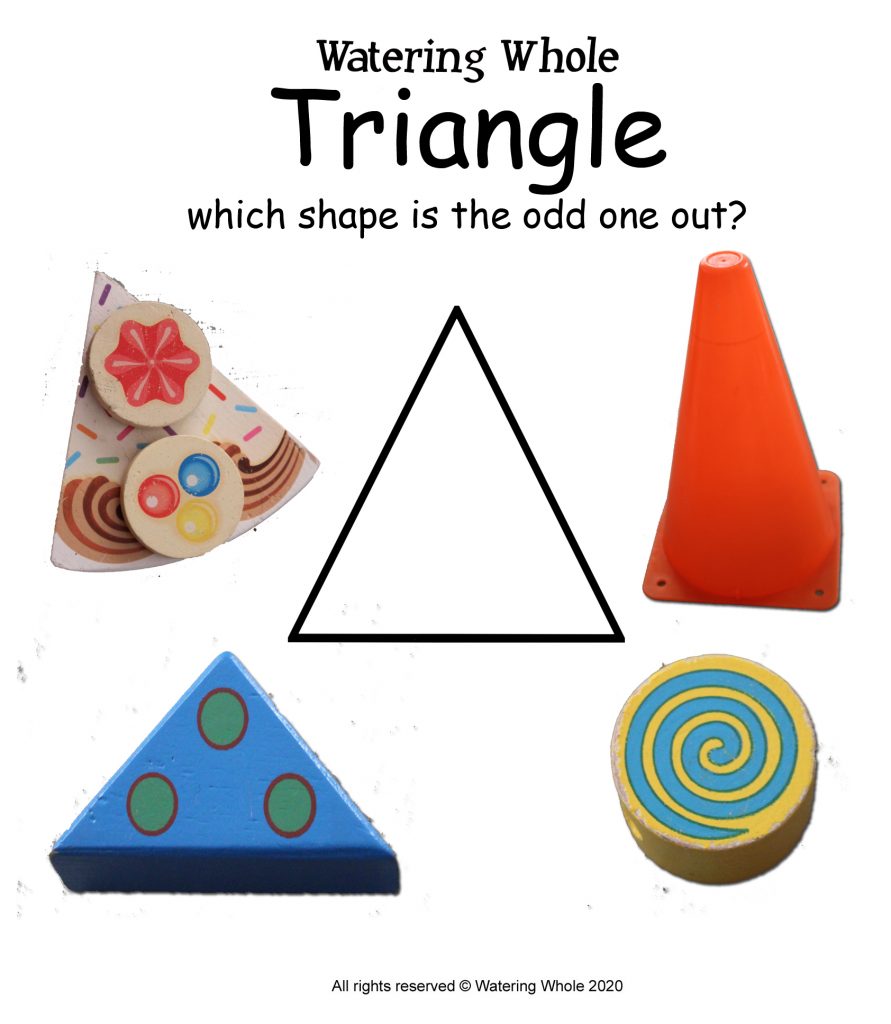
Recapping Shapes:
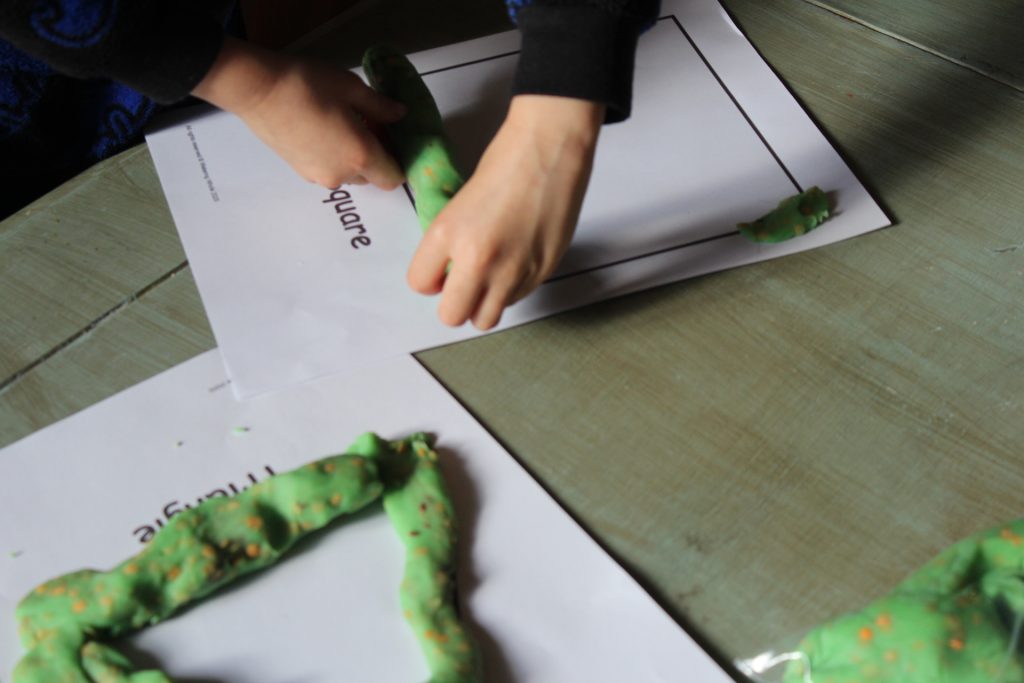
This week we are having fine-motor shape fun as we recap circles, squares and triangles. Last week we shared a fun play-dough recipe for our speckled frogs and this week we are going to re-use our play-dough for some more fine motor fun was we work on our shapes together.
Directions: print out or draw the shapes. Use your play-dough or some pipe cleaners to create the same shapes on top of your paper. Explore your shapes together counting the sides of a square and the number of corners, then compare it to a triangle and a circle which has no corners.
Benefits include: introducing the concepts of sides, angles, and corners, early maths skills, strengthening of hand and finger muscles, hands-on, tactile learning of shape formations (precursor to letter and number formations).
All children are different, but generally at around 18 months of age they are able to grasp the idea of different colours. We should use colours in our vocabulary daily to reinforce the concept… “Look at the red flower”, “Please pass me the blue crayon”, etc.
At around 3 years of age your child should be able to start naming some colours. Don’t worry if it takes a while for your child to start proficiently naming all of the colours correctly. Repetition is key and both colour and shape recognition should be infused in our daily living.
This week we are exploring the colour green. Leaves are green, grass is green…frogs are green. What other things are green?
Join teacher Inger as she explores the colour green and sings a fun song all about a little green frog.
Did you know…… learning to recognise different shapes is a precursor to identifying written letters and numbers? After all, the written symbols we use for letters and numbers are really just shapes.
Shapes can take longer to learn than colours, but by age 3 children should generally be able to name some simple shapes (e.g. circle, square, triangle).
The more we infuse this kind of learning into our daily living, the easier it will be for our children to learn these concepts.
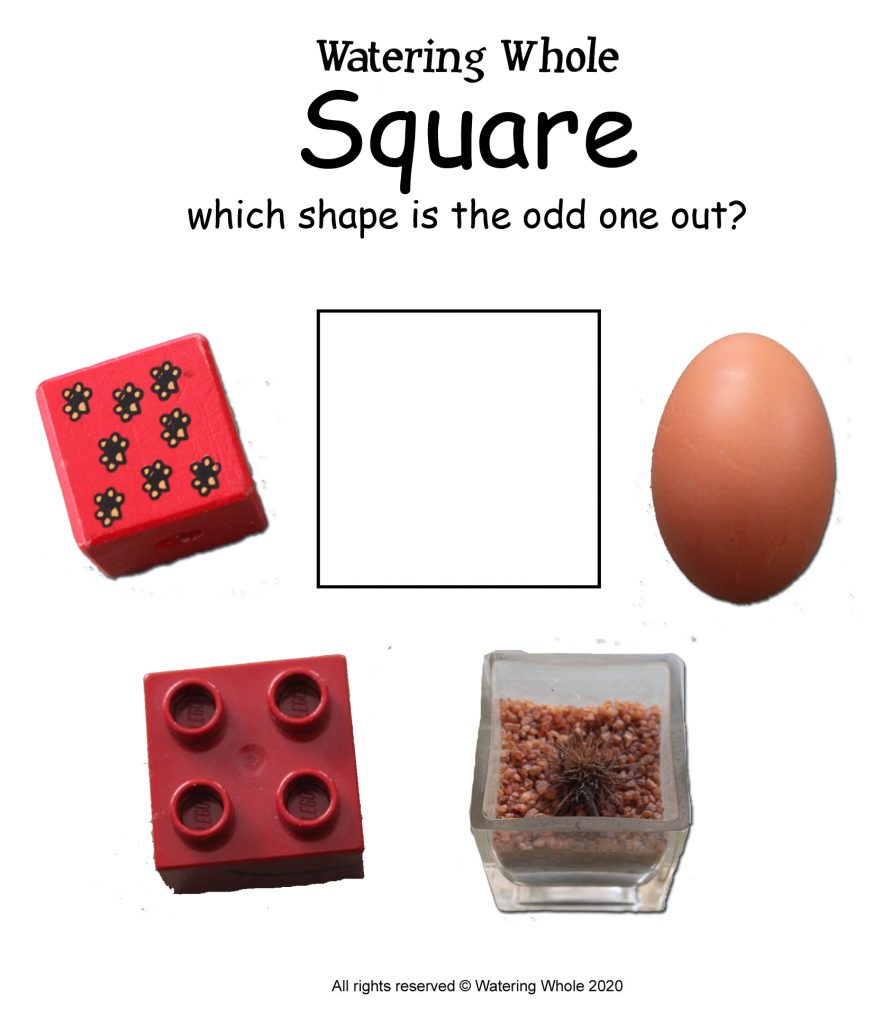
So far this term we have reviewed: circle, crescent, triangle and oval shapes. This week we are adding squares to the mix!
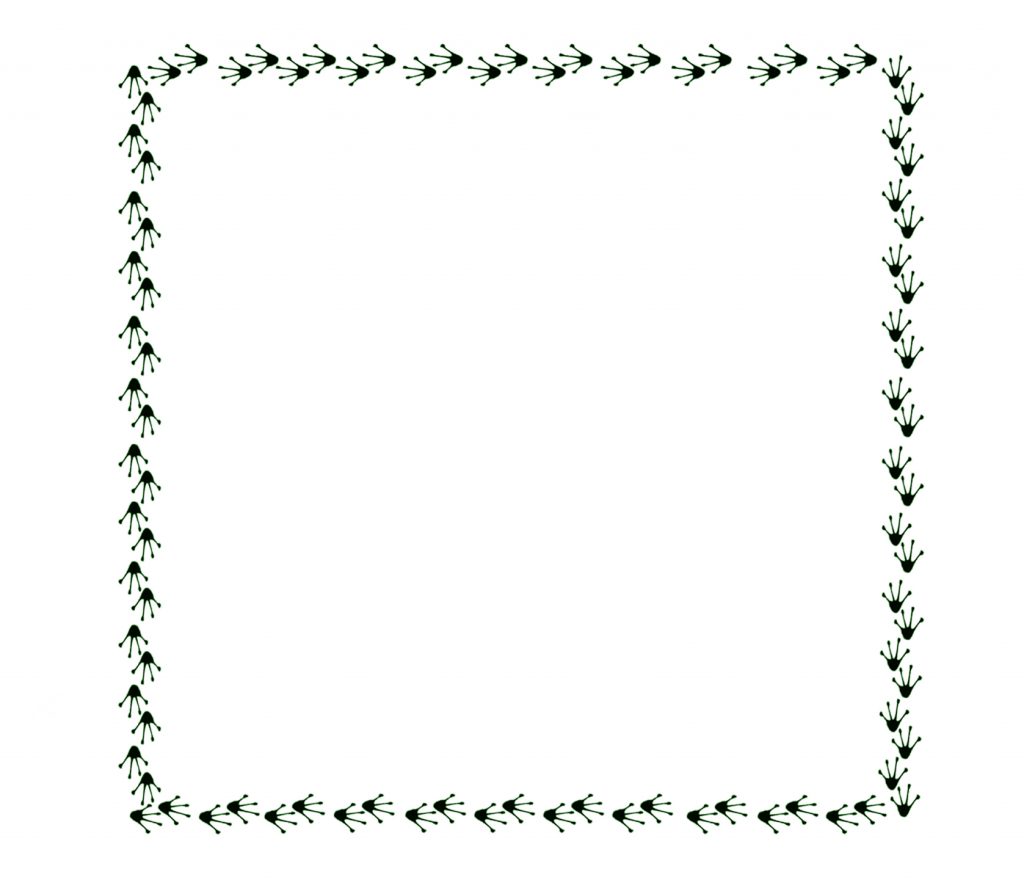
We have created some fun shape printables to go with our frog theme this week…. Have fun exploring circles, triangles and squares by following the froggy footprints with these original Watering Whole printables.
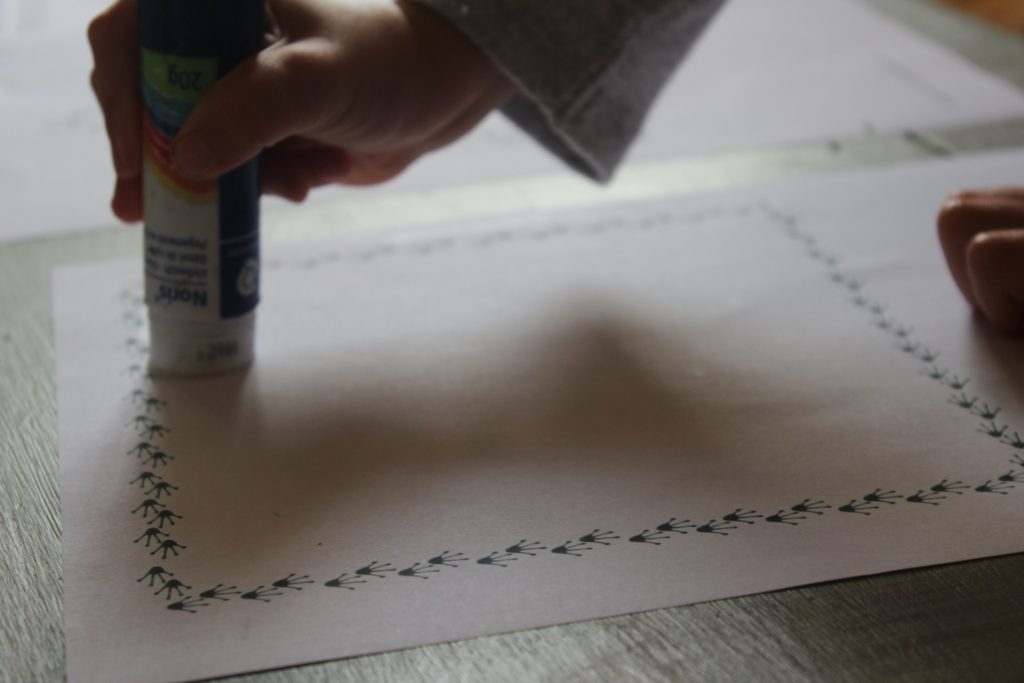
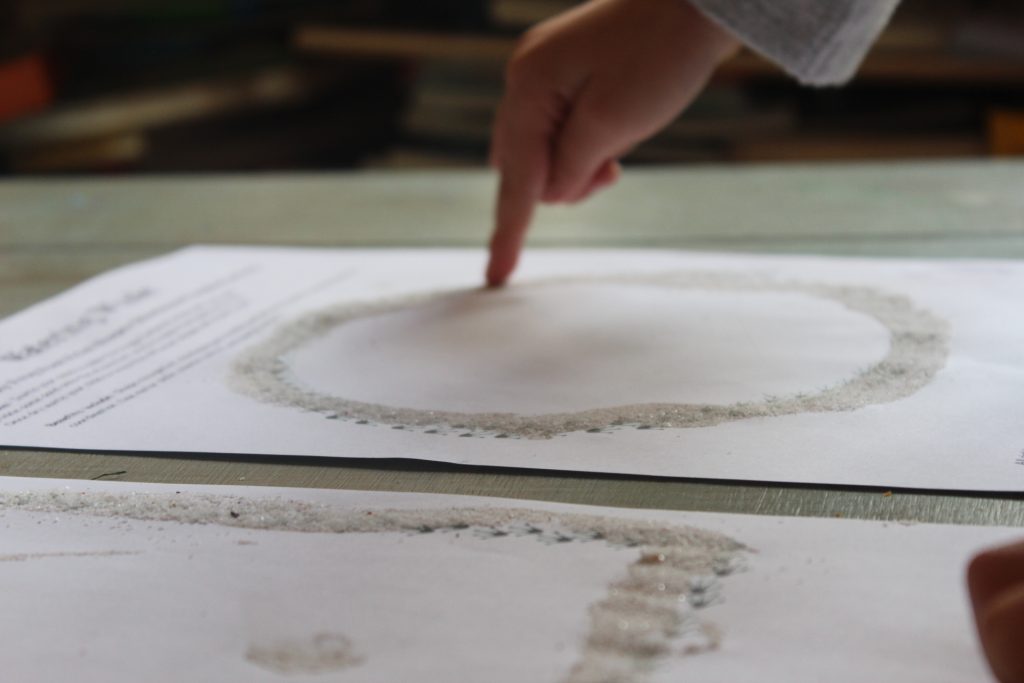
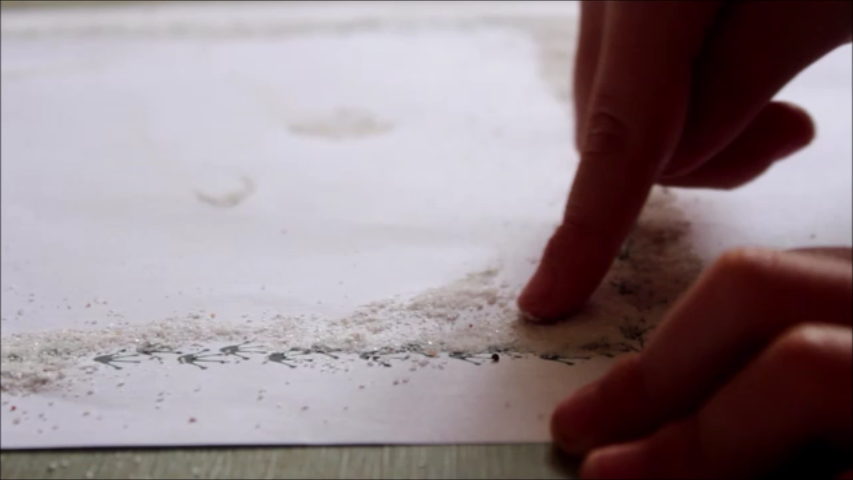
Print out the froggy footprint shapes. Invite your child to make the froggy footprints sticky with some glue. Sprinkle some sand onto the sticky foot prints to make them sandy and sticky! Once dry invite your child to trace the different shapes with their fingers.
Benefits include: Shape recognition, developing pre-reading and pre-writing skills. Developing hand-eye coordination, fine motor skills, muscle control, and muscle memory.
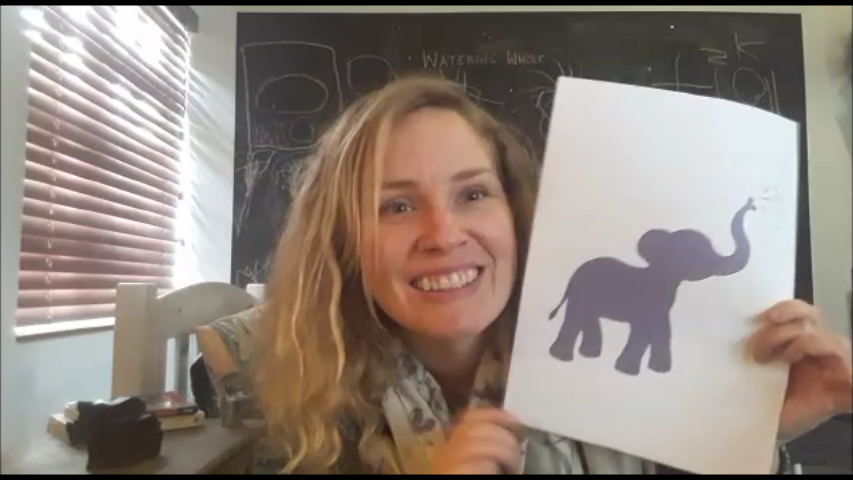
This week we are exploring the colour Purple. Let’s have fun learning about the colour purple with this fun song all about a purple elephant by Teacher Inger:
Purple elephant song and introduction to size and dynamics by Teacher Inger
Did you know…. Nursery Rhymes lay the foundation to early language and literacy development?
Research shows that rhymes help children to grasp the rhythm of language and break down phrases into words and words into sounds; an important skill needed to be able to read and write.
The repetitive structures used in nursery rhymes are also your child’s first introduction to early maths skills as it introduces patterns and many rhymes will often also include numbers and counting too.
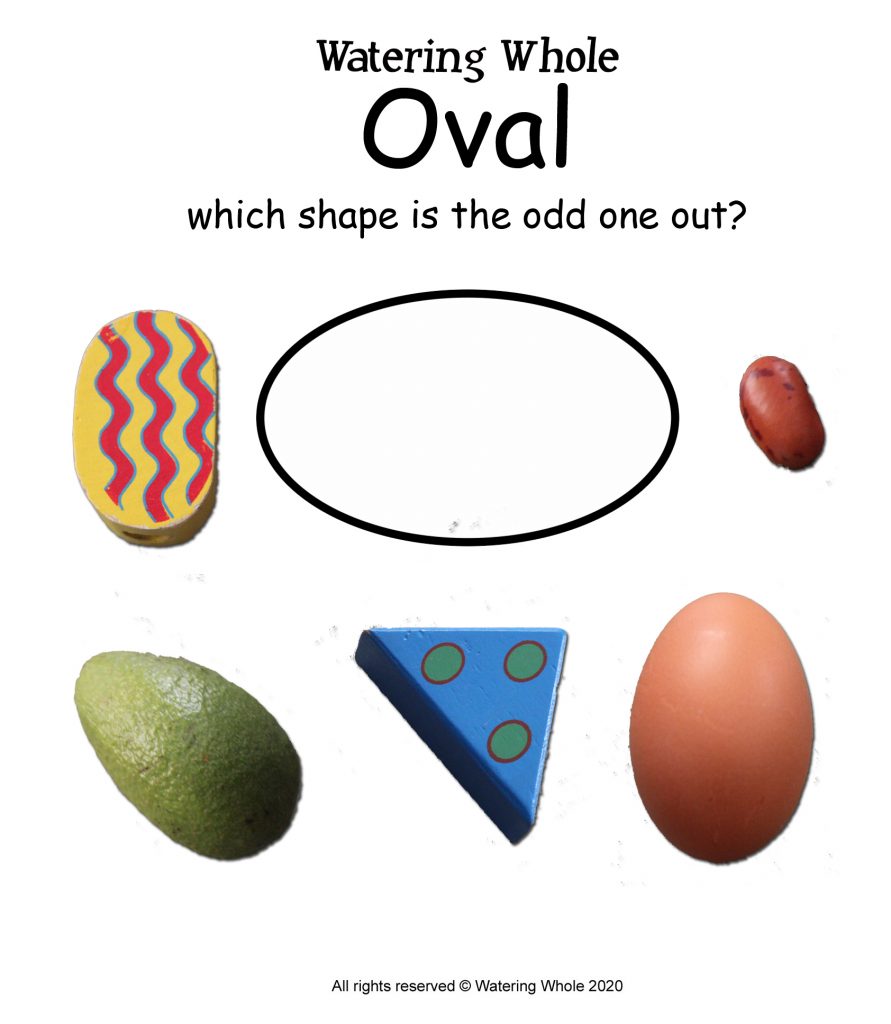
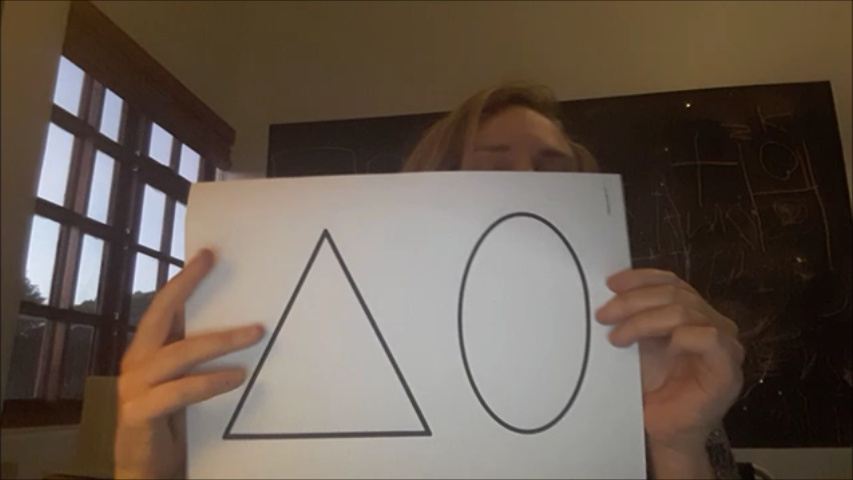
Different shades of blue and introducing the shapes: oval and triangle
Watering Whole @Home Curriculum Week 5
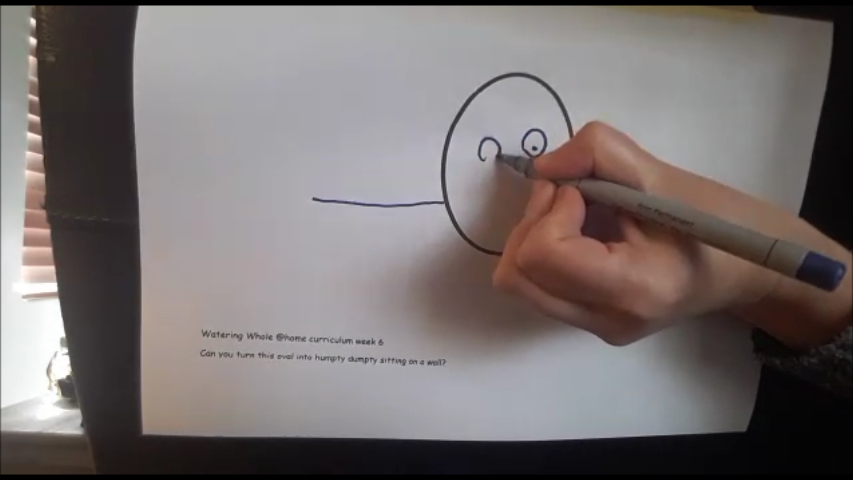
Blue Bird song and introduction to oval and triangle shapes Video by Teacher Inger:
See ART activity for oval and triangle exercise.
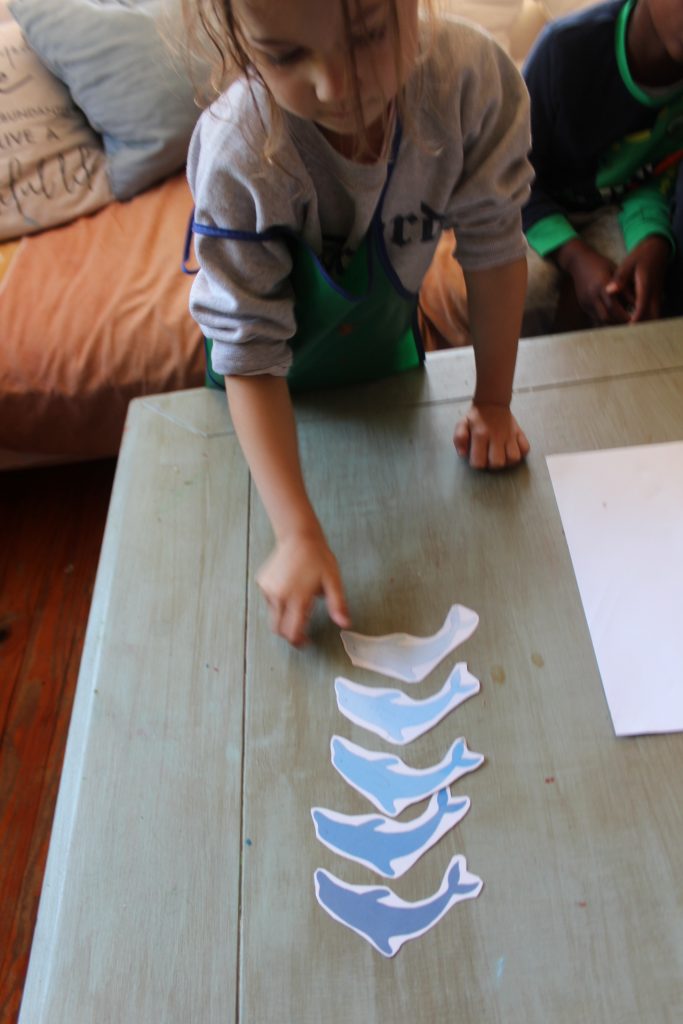
Grading shades of blue from dark to light (Montessori inspired):
This week we are continuing to explore the colour blue……and all it’s different shades. For this week we have created a Montessori inspired activity for grading shades of blue dolphins from dark to light.
Benefits: Activities like this help children begin to discern subtle differences important for visual discrimination and colour perception.
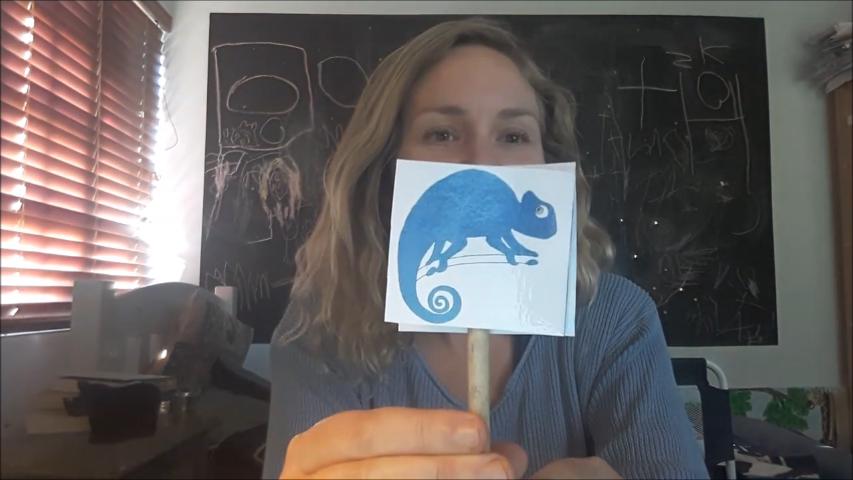
Did you have fun exploring the colour yellow with us last week? There are 3 primary colours that are used to make all the other colours. We have learnt about Red and Yellow and this week, we are exploring the final primary colour: Blue…… let’s explore the colour Blue together. The sky is blue! Some flowers are blue. The chameleon from our story this week started off the colour blue too. What other things are blue?
Chameleon colour song by Teacher Inger
“Our Chameleon is blue blue blue Like the sky is blue blue blue Oh no wait he’s red red red Like a ladybird is red red red Our chameleon is yellow yellow yellow Like the sun he’s yellow yellow yellow Oh not wait he’s blue blue blue Our chameleon keeps changing too! Can you say the word camou camou flage So we can hide in disguise We can change our colour colour colour Like a chameleon too too too”
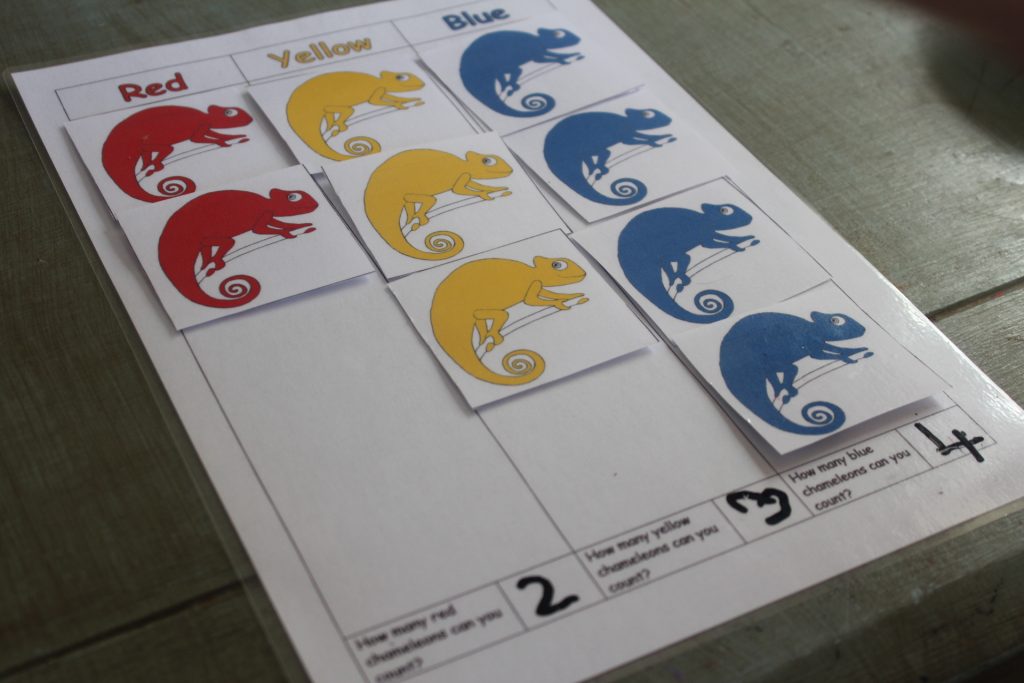
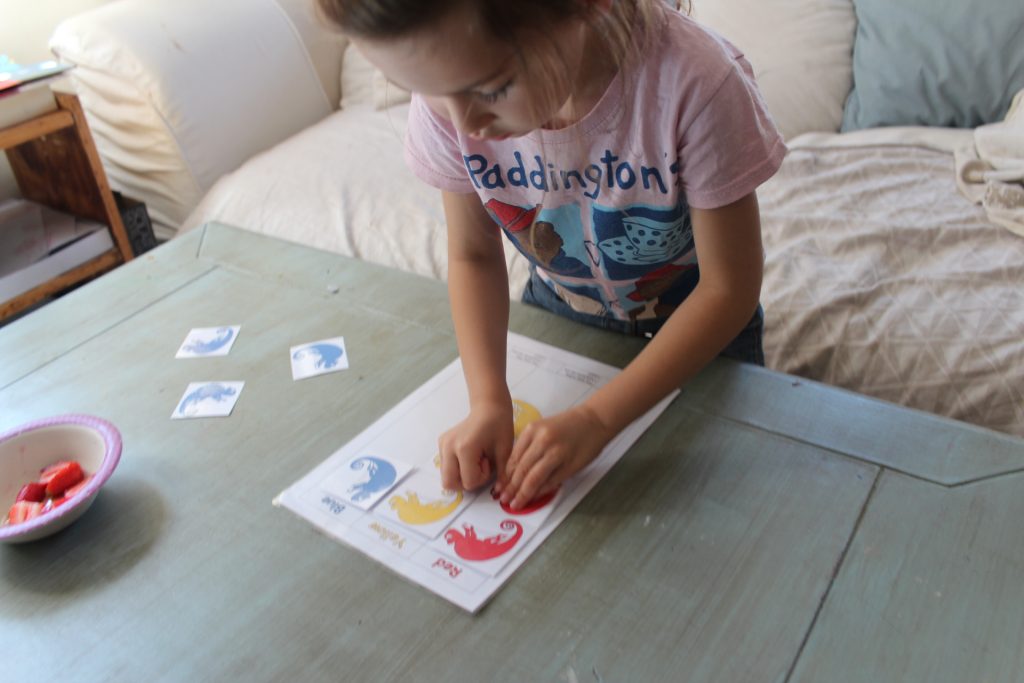
Sorting, matching and counting activities are important for early cognitive development. It helps your child to notice differences and similarities between different objects and develops early literacy and numeracy skills.
In this activity we will sort our 3 primary coloured Chameleons using the printable below:
Did you have fun exploring the colour Red with us last week? This week let’s explore the colour Yellow. Corn is yellow! Bananas are yellow. In our story of the baboon who went to the moon he describes the moon as a “yellow eye”. What other things are yellow?
Reece had fun exploring with red and yellow paint last week and made a very interesting discovery when he mixed the two colours together! Can you share with us what happens when you mix red and yellow together too?
Let’s explore the shapes circle and crescent.
Did you know the moon is always round, but the moon does not have any light of its own…we can only see the moon by the light of the sun and sometimes the light of the sun cannot reach the whole moon and we only see part of it. So sometimes the moon will look like a circle and sometimes the moon will look like a half moon, and sometimes the moon will look like a crescent.
Additional supports:
Song by Teacher Inger (VIDEO)
Our moon is round as round can be Will you draw your moon with me Round and round in a circle we go Let’s draw our moon a bright yellow
Our moon is crescent as crescent can be Will you make a crescent with me Let’s stretch up high and bend to the side let’s make a crescent in the sky