Category Archives: Online Curriculum Week 10

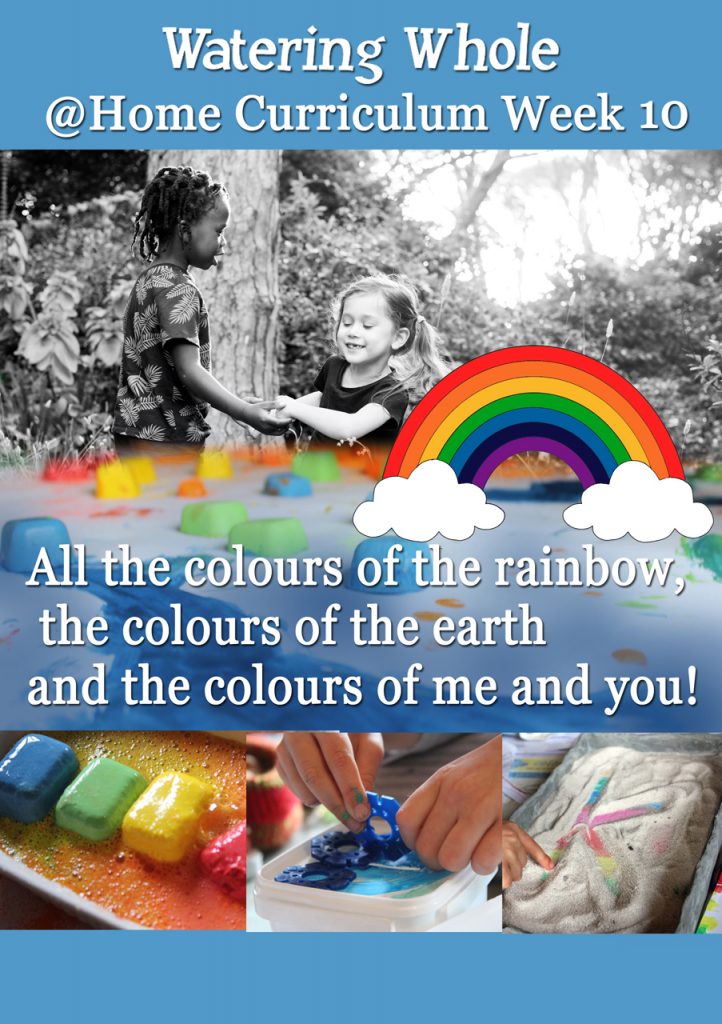
Week 10 – All the colours of the rainbow, the colours of the earth and the colours of me and you!

“It is time for parents to teach young people early on that in diversity there is beauty and there is strength.” ~ Maya Angelou

As we approach the end of the term this week, we will be taking a break from our African alphabet focus and instead explore all the colours of the rainbow, the colours of the earth and the colours of me and you!

Celebrating diversity is a central theme here at the Watering Whole, both as a pivotal part of our preschool’s philosophy and our curriculum, as it weaves its way through all we do, teach and are….

We believe that it’s very important that children from a very early age are exposed to the idea of embracing difference – different cultures, different ideas, different traditions, different kinds of people, different abilities, different beliefs…. Teaching children to understand and respect difference, is such a crucial part of early childhood development and developing emotional intelligence.

Please join us in our final week of this term’s @ home curriculum with WWHP, as we explore, create, sing, dance, read about and experiment with all the wonderful colours we have been learning about this term.
Language and Literacy: What’s in a Name?

Do you know what the very first word your child should learn to read and write is?……

Their name!

For younger children we encourage you to put your child’s name up on the wall in their room. Label some of the things they own like their cups, bottles, bags, etc with their name. Make sure to write their name on any art they create… all of this will help your child start to recognise their own name from an early age.

For older children let’s start to break down their name into sounds:

• Does your child recognise the sound of the first letter in their name?
•What about the last letter in their name?
•What would their name sound like if you removed the first letter?
• What would their name sound like if you removed the last letter?
•Can they stretch their name out sounding each letter?
•Can they blend the letters together again to make up their name?
•Do any other words rhyme with their name?

Phonological awareness (learning to play with sounds in all of these ways above) is the key part of being able to read and write.

Here is a fun silly name rhyming song that both Zakai and Kamali really enjoy:

video

Let’s make rainbow names

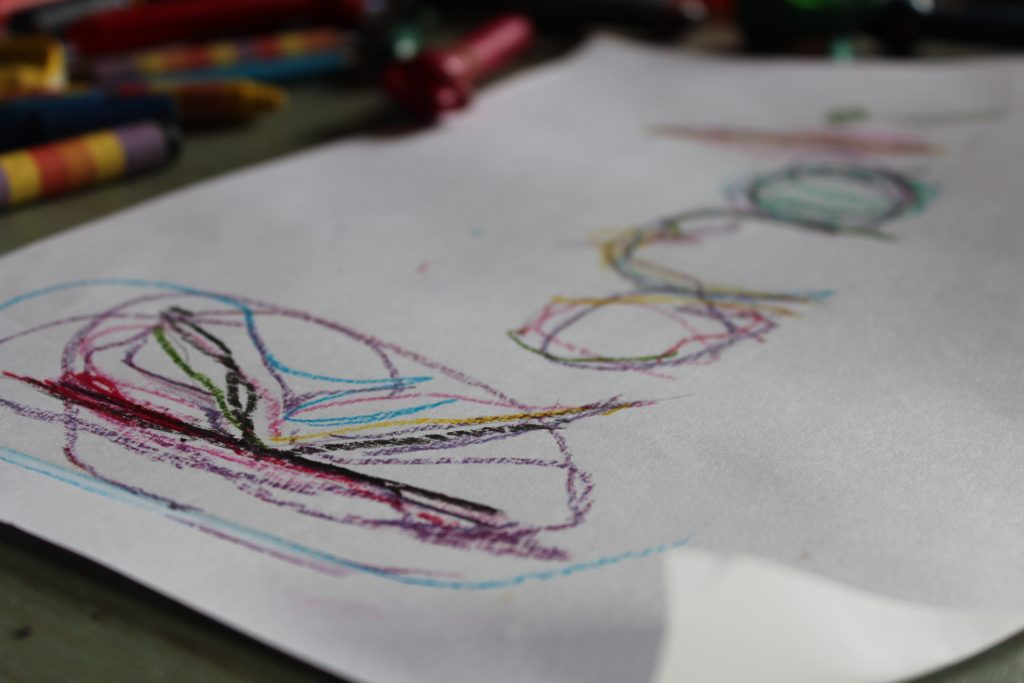
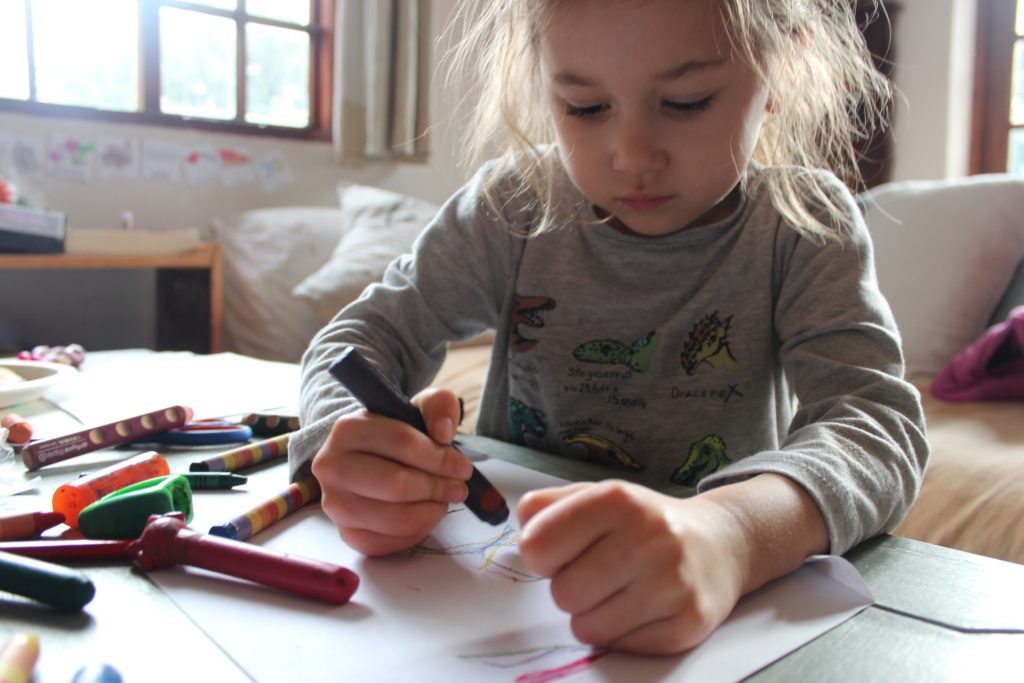
For Giraffes (aged 4/5): Write your child’s name on a piece of paper and invite your child to trace each letter over and over again with different colours, creating a beautiful rainbow name and learning about the formation of each letter at the same time.

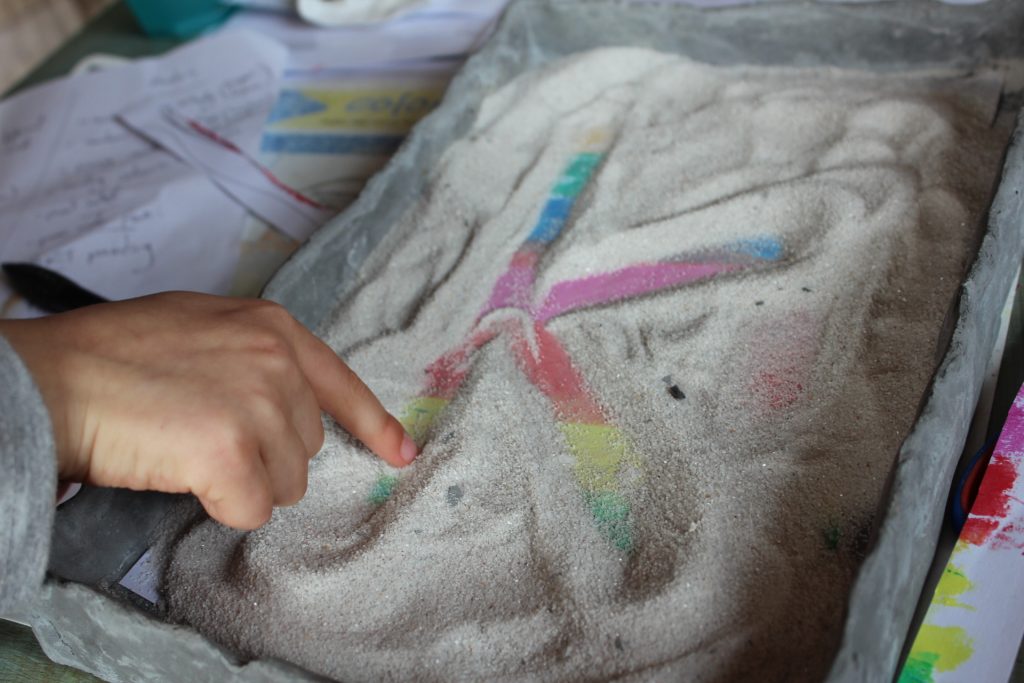
Additional Montessori inspired activity: Rainbow Sensory writing Tray.

Put a rainbow coloured card at the bottom of a tray and then fill it with sand/flour/salt. Give your child their visual name card or the first letter of their name to copy and invite them to draw it in the tray with their finger…. Surprise – they will discover the beautiful colours of the rainbow underneath.

Benefits include: Development of fine motor skills, hand eye co-ordination, development of the sense of touch, name recognition and letter formation.

Every child is different, but we recommend introducing tactile letter formation activities such as these around 4 years of age. After your child has mastered shapes.

Foundational Concepts:Exploring all the colours of the rainbow:

Imagine a world that had no colour
And everything was grey?
No browns, no pinks, no greens, no blues
Just grey and grey all day?
Imagine a world where everyone
was exactly the same as me?
No differences between us?
What a boring place that would be.

…aren’t we lucky to have this beautiful colourful world that we live in?

Sing along to this well-known 1955 song with teacher Inger “I can sing a Rainbow”

video

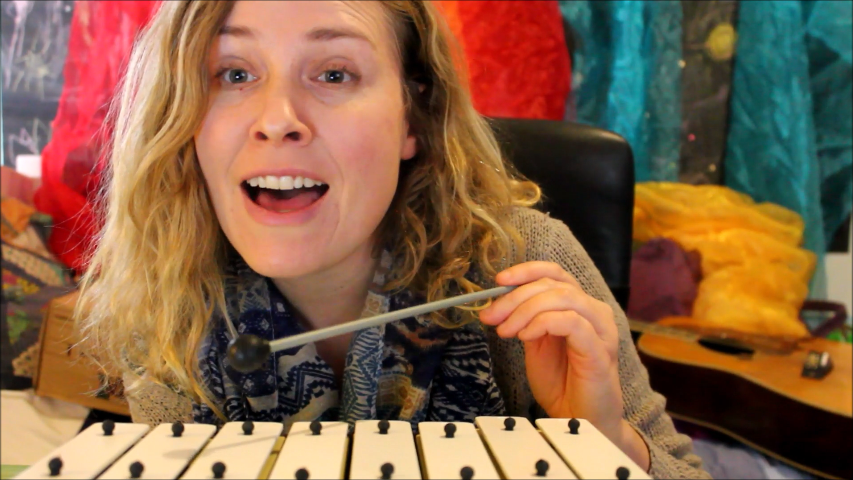
Music – Intro to Solfege Scale

Learning the correct colours of the rainbow with the Solfege (Do-Re-Mi) scale.

Introducing the Solfege scale is a traditional, and very effective way, to teach the foundational language of music.

Children will begin to understand the concept of intervals and the sound of each note of the scale.

Benefits include – developing your child’s ear for music and their ability to “hear” and predict music in their head.

Let’s learn the degrees of the solfege scale together (Do, Re, Mi, Fa, So, La, Ti, Do) whilst learning the solfege colours (also the same colours of the rainbow – red, orange, yellow, green, blue, indigo and violet).

video

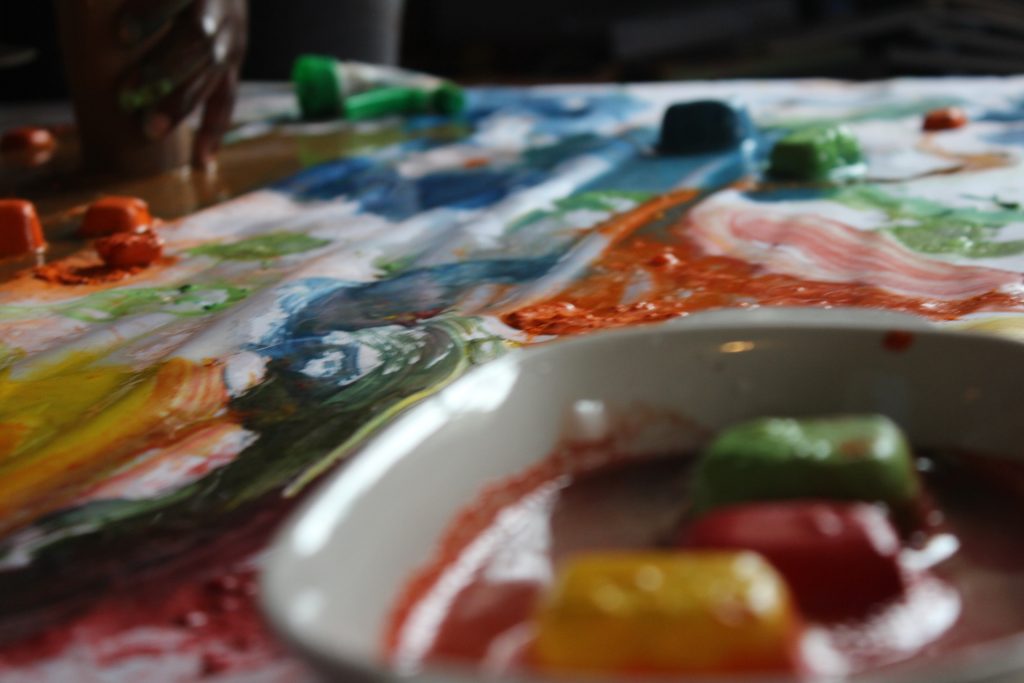
Science and Art: Fizzing Rainbows.

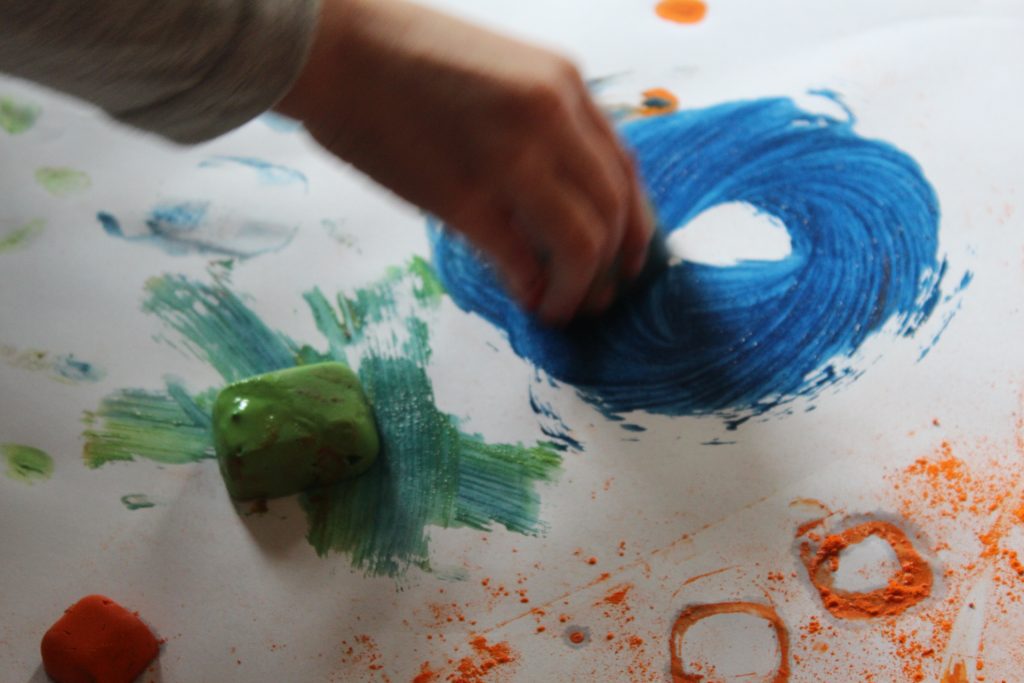
Where would preschool science be without bicarb and vinegar! Here is a wonderful science and art experiment that will: teach your child about all the colours of the rainbow, help them learn about colour mixing and learn about chemical reactions (i.e. when bicarb and vinegar mix they create the gas carbon dioxide which makes a bubbling and fizzing reaction). It is wonderful for developing observation skills and is sensory rich as the children see, smell, touch and hear the fizzing of the rainbow….and it makes a beautiful rainbow painting too!

Directions:

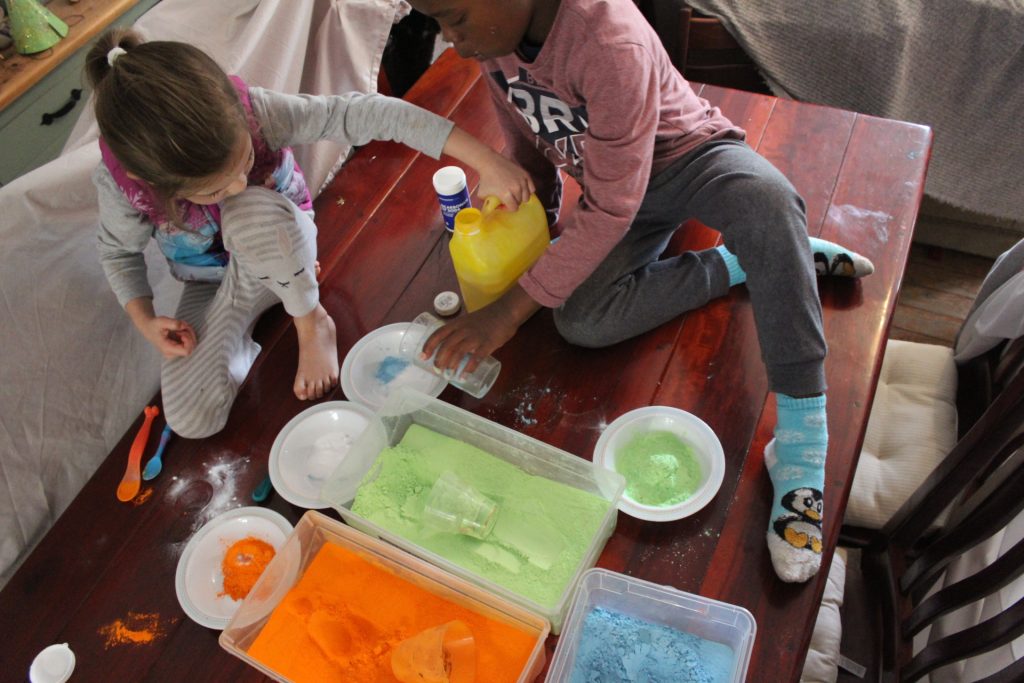
Mix together: 3 tablespoons of bicarb, 4 tablespoons powdered paint (each separately: red, orange, yellow, green, blue, purple), add some water so it becomes a liquid paint. If you don’t have powdered paint you can just use liquid paint and mix in a few tablespoons of bicarb.

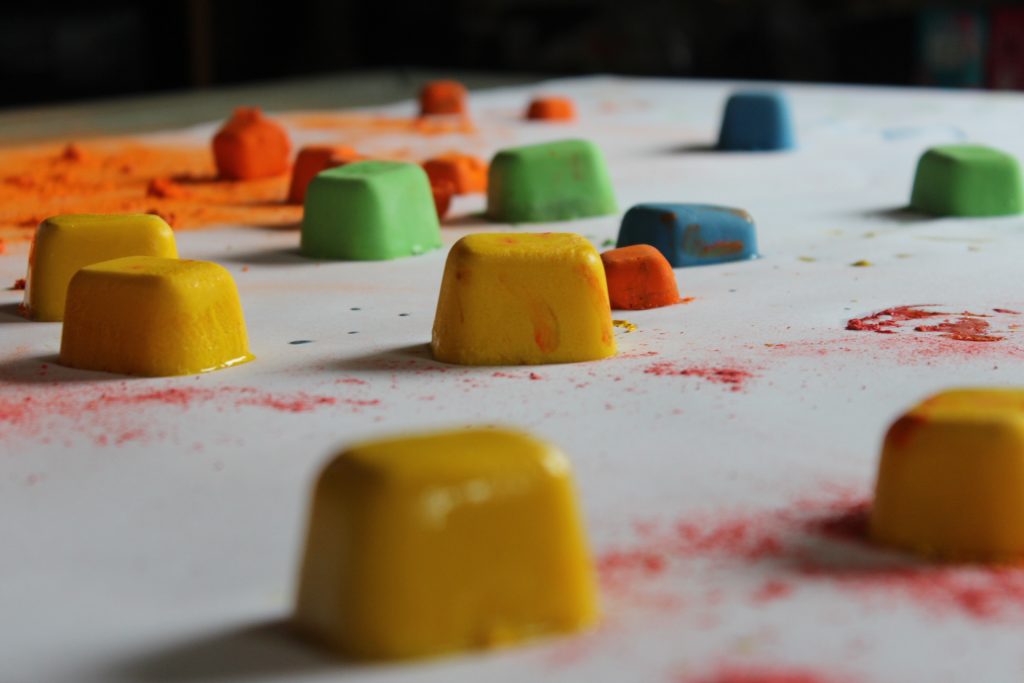
Freeze the coloured water bicarb mixture in an ice cube tray

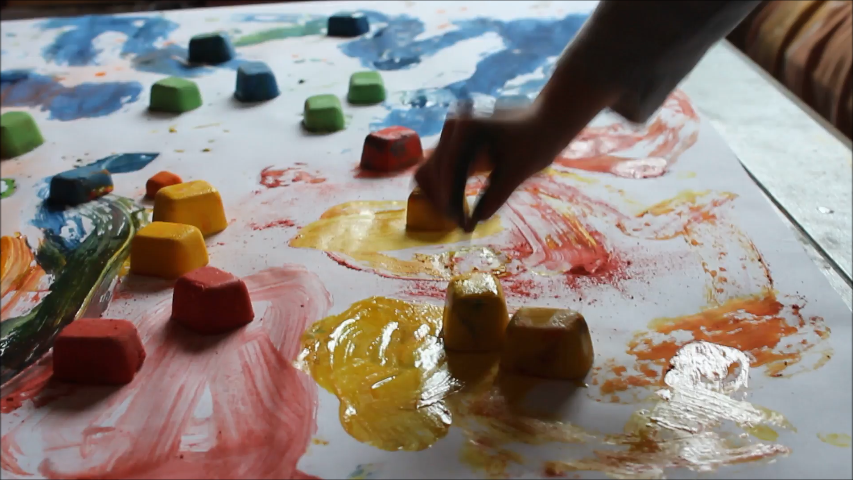
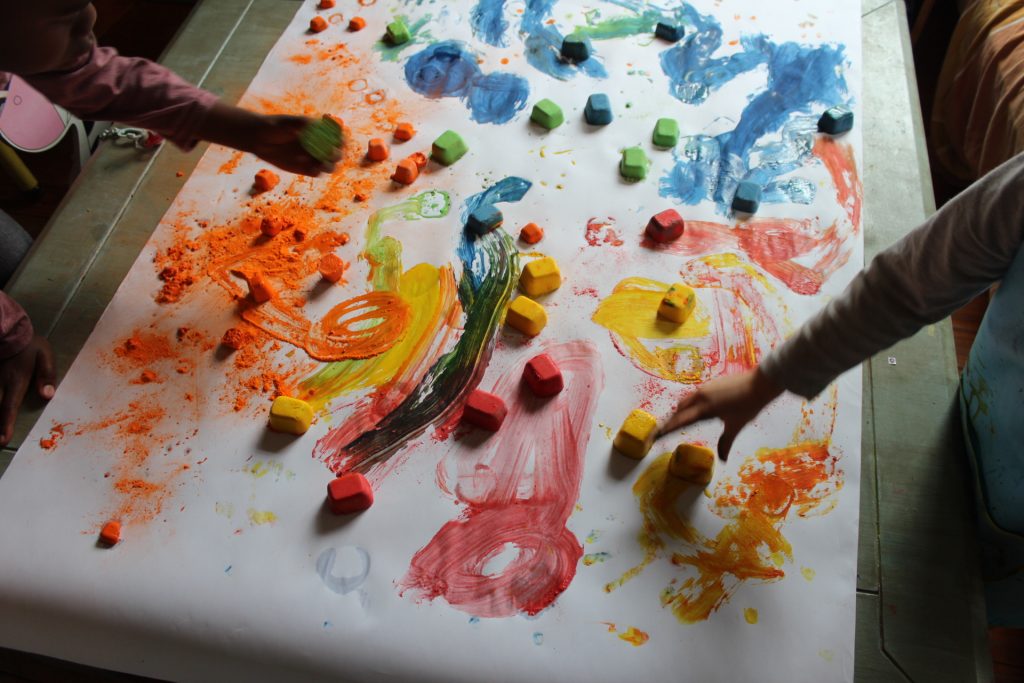
Once frozen, bring out the coloured cubes and lay them on a large sheet of paper.

Invite your child to paint with the ice cubes as they start to melt and make beautiful colours on the paper. We put on some rainbow themed music too.

video

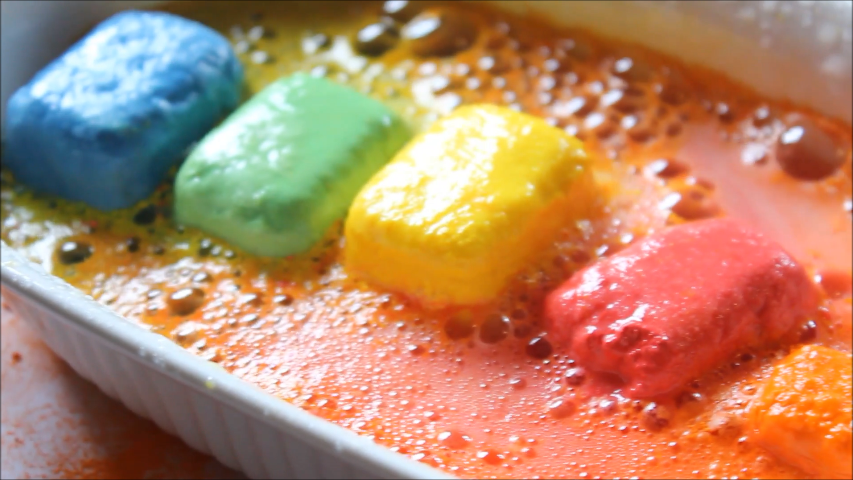
Next put a row of your ice cubes in a shallow dish and invite your child to spray and squirt vinegar onto the ice cubes and watch them fizz….

video

Ask them about the colours they see, what they smell and hear, how the ice cubes feel, what they think will happen, etc, so you can help them to develop observation, prediction and language skills.

Early Maths and fine motor work: Sorting Colours

Did you know….sorting is an important foundational maths skill? Whist sorting may seem a simple enough concept it can take a while for young children to fully grasp this skill.

For this activity you will need:

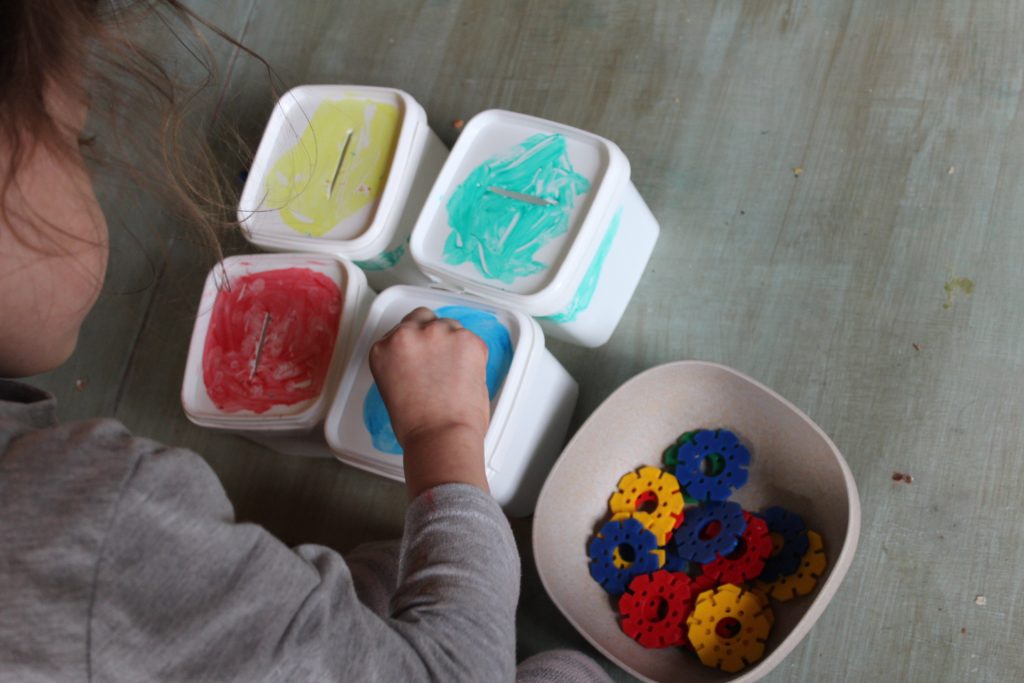
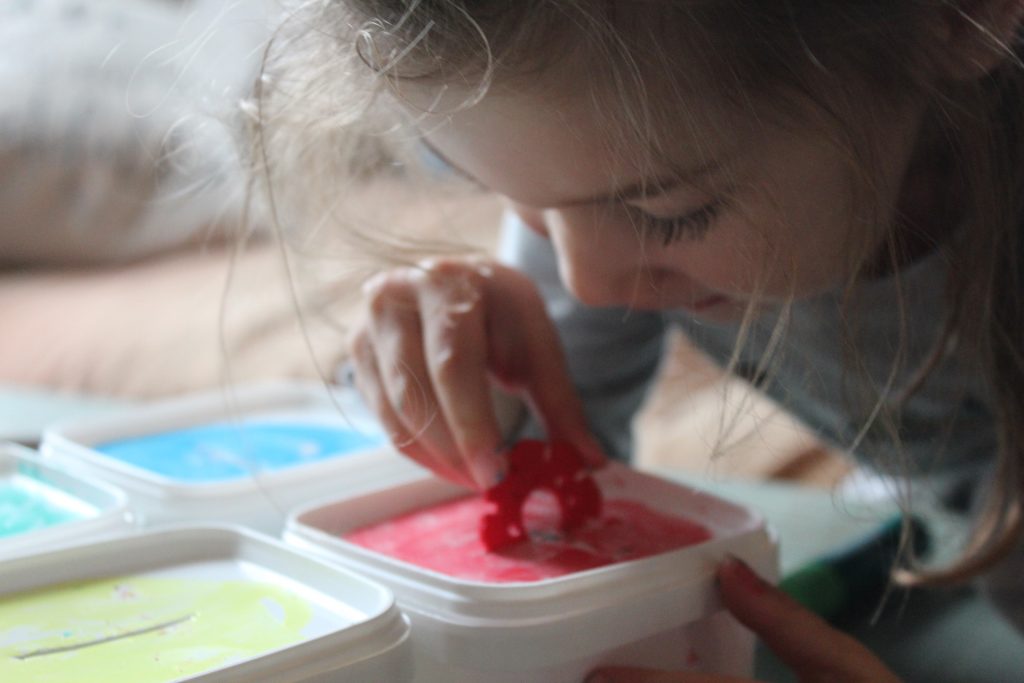
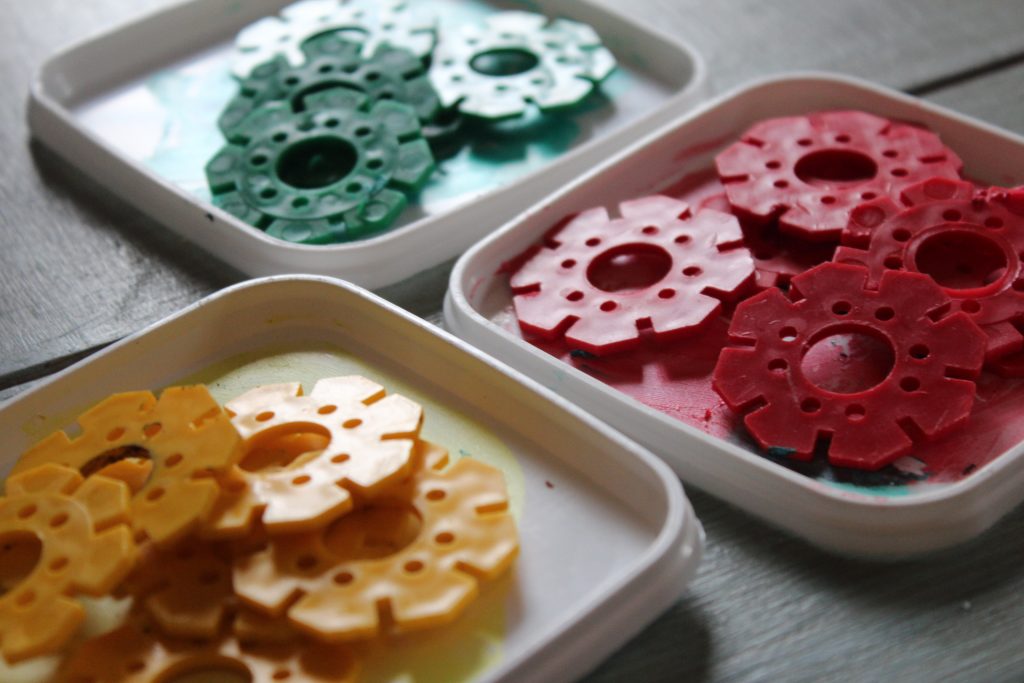
Coloured containers to sort into. We made slits in the lids so that we could add an extra fine-motor element here, but depending on what kind of colour objects you are sorting, you may prefer open containers.

Use any small coloured objects such as pompoms, buttons, crayons, lego, etc for your child to sort.

You can also use tongs or tweezers to sort with, which adds another wonderful fine-motor element.

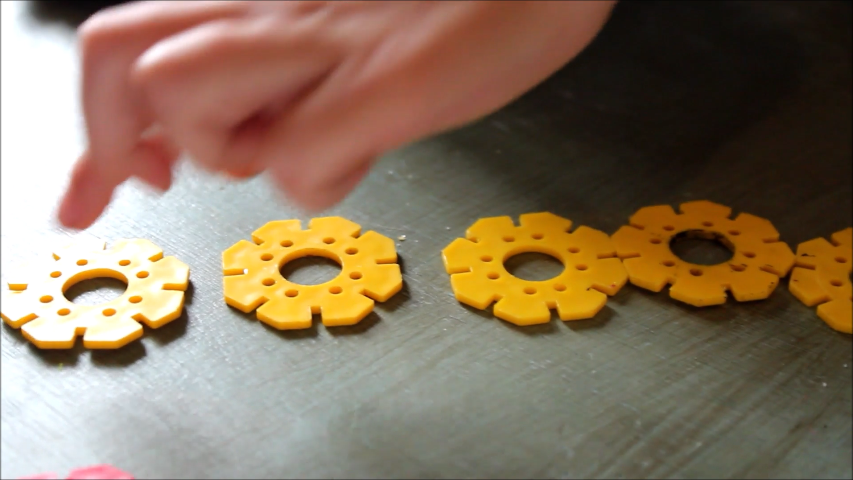
After sorting the colours into the boxes, Kamali decided to make rows and counted them to see which colour had the most – developing one-to-one correspondence and quantity comparisons. She has also started to actively explore the concept of addition as seen in the video below.

video

Then she piled them into their coloured piles on top of the lids, slotted them back into their boxes and then played a trick by sorting the colours into different colour boxes and asking us to guess which colour was inside…..needless to say this activity has many ways to explore and develop early maths skills!

If your child is under 3 you can use bigger containers such as buckets and larger objects to sort such as balls or bean bags.

Recipe Suggestion: Making a rainbow fruit salad.

We love making fruit salads here at preschool. There are so many wonderful colours to explore, a lot of fruit is soft enough to make it wonderful cutting practice, and it’s of course packed with sweet goodness for our children’s bodies and brains.

Let’s make a rainbow fruit salad this week. Talk about all the colours you see together and give your child a blunt knife so they can cut the fruit for themselves.

Suggestions:


Bananas
Strawberries
Apples
Kiwi fruit
Grapes
Pears
Oranges

EQ and Life Skills- Rainbow Week

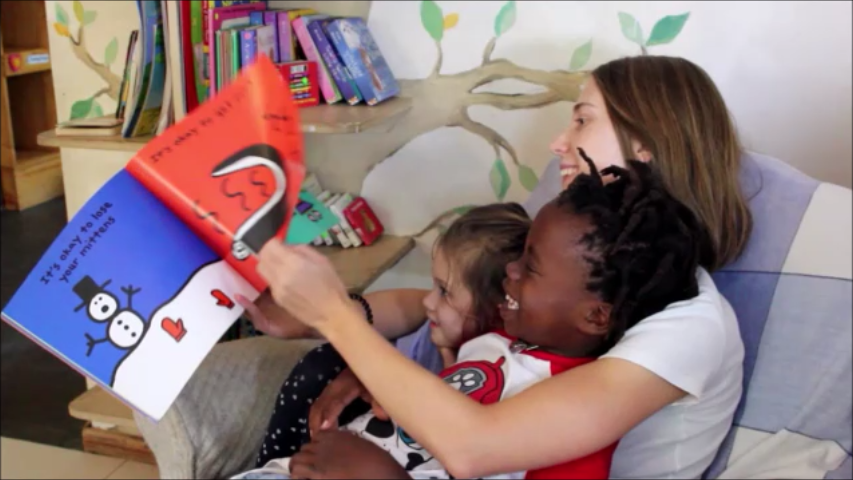
It’s okay to be different story:

video

Children need to experience a sense of belonging in order to form a secure identity and sense of self. This begins with knowing, and being proud of, where they come from and having respect for all people regardless of their differences. As a rainbow nation, in a world that is full of diversity and constant change, one of the most important aspects of what unites us is our difference.

Watering Whole Holistic Preschool embraces different forms of family structures and prides itself on being an open-minded and secure environment where children can play, learn and grow as unique individuals.

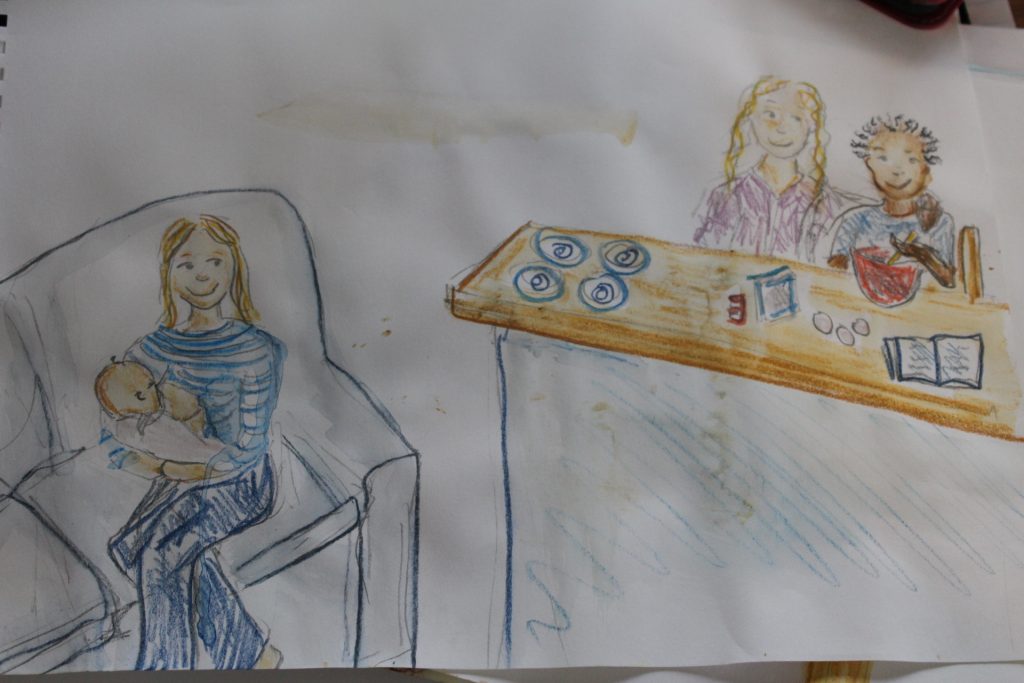
Over the holidays we invite you to make a picture book all about your child or an important aspect of your child’s life…it could be about how they were born, all about their family, all about their culture, the first year of their lives, a time of great change…anything really.

Include photos and/or drawings and then spend time reading it with your child as often as they like. This will become a treasured book in your child’s library and is a wonderful way for them to feel proud of who they are. Every child’s story is different and helping them to see that, and to feel celebrated as the unique individual they are, is such a wonderful gift!

Our children have loved the stories we have written about them and their beginnings/early years and depending on what you have access to, you can either use actual photos of your little one(s) or else just draw (or even get them to draw) simple pictures to illustrate their story.

It’s such a lovely and meaningful activity to do together and will always hold special meaning for them.

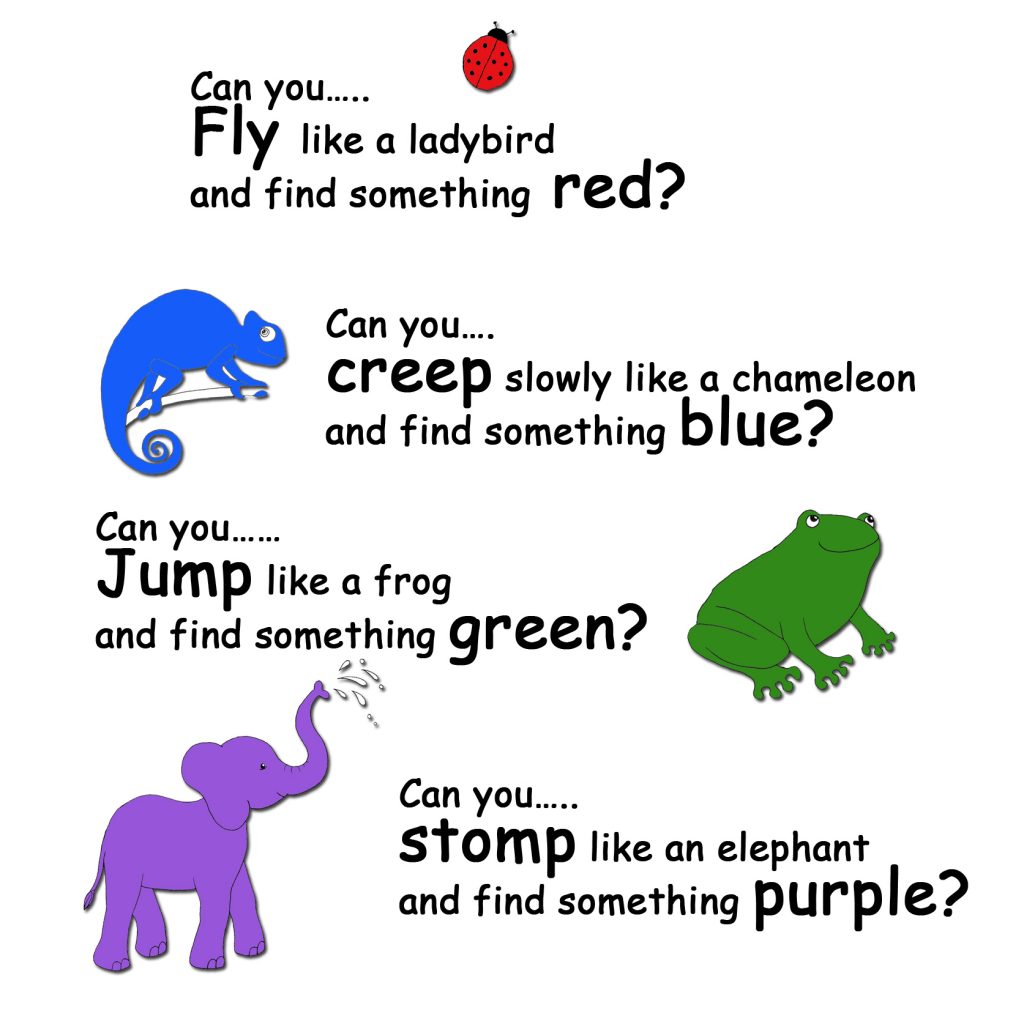
Gross Motor Fun: Colour finding scavenger hunt

Let’s go on a colour finding scavenger hunt recapping some of the colours we have explored this term whilst working on some gross-motor skills too:

Put a big bucket or basket in the middle of the room and invite your child to go on a colour scavenger hunt with you!

Benefits include: colour recognition, and putting colours into real life context, developing visual discrimination skills, gross motor skills, following directions, building balance, co-ordination and muscle strength.