Category Archives: Music and Dance

Music and Dance : Learning all about Patterns

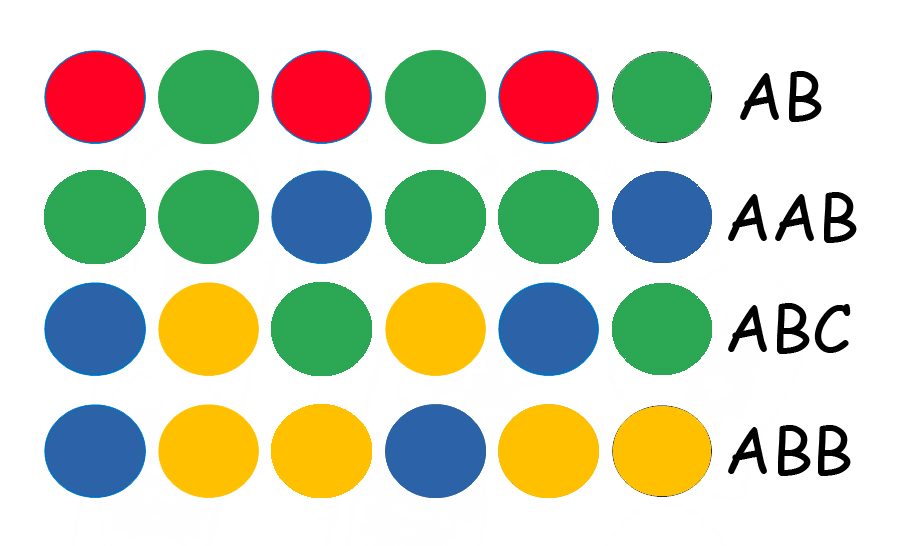
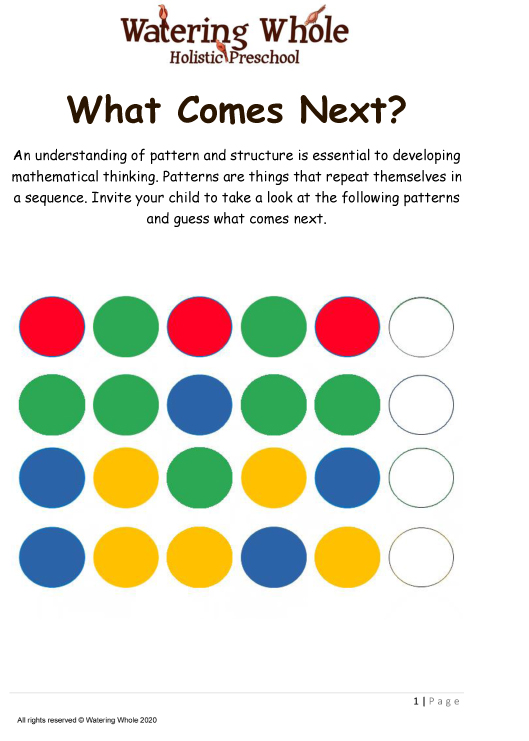
An understanding of pattern and structure is essential to developing mathematical thinking. Patterns are things that repeat themselves in a sequence.

Music and dance activities are a natural, developmentally-appropriate way to introduce the maths concept of patterns to young children.

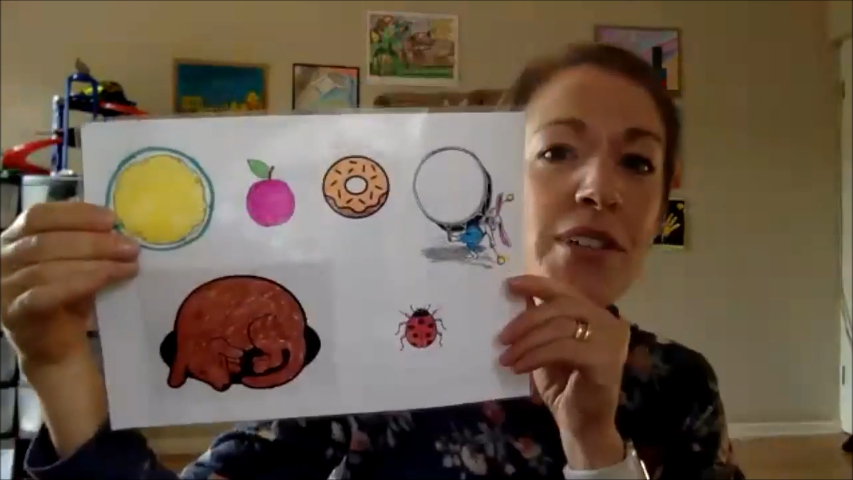
Then, patterns can also be taught using colours and shapes.

Other natural patterns that occur around us are things like days of the week, seasons of the year, etc.

Join teacher Inger this week for music and dance classes that focus on introducing the concept of patterns!

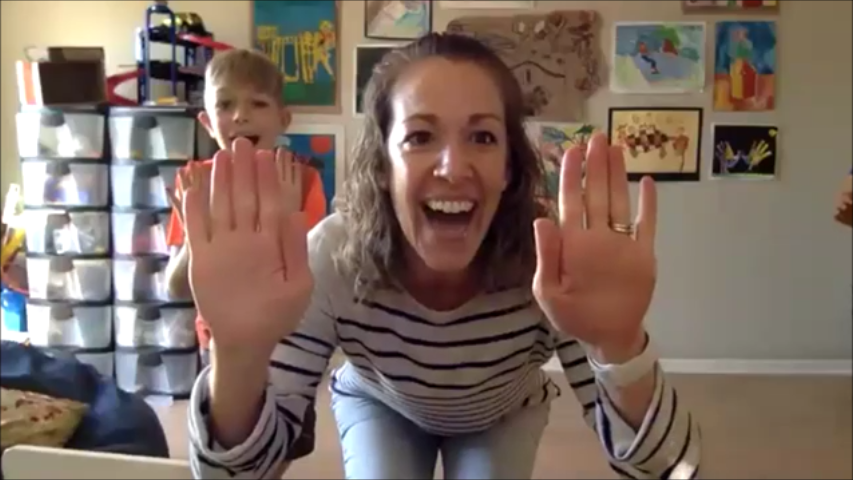
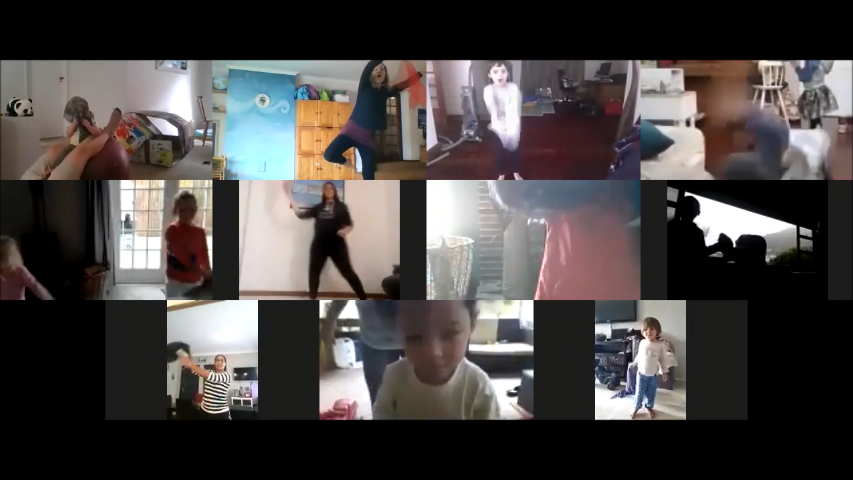
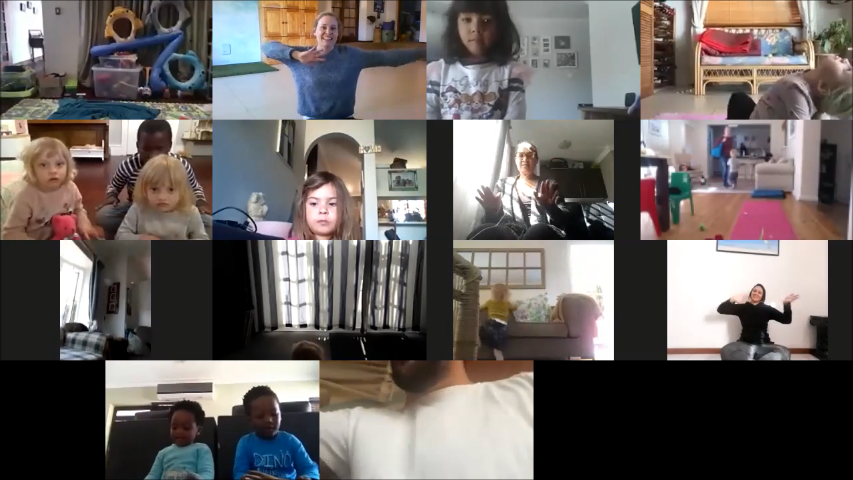
Dance Class: Exploring Patterns, Levels and Counting

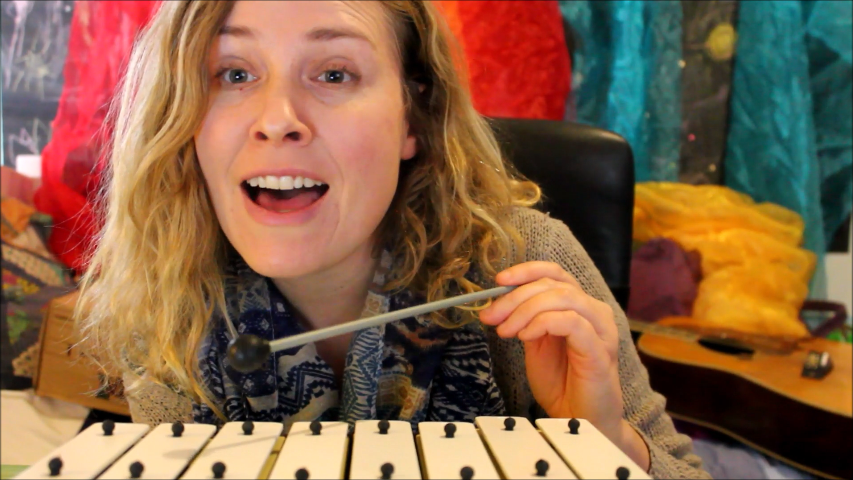
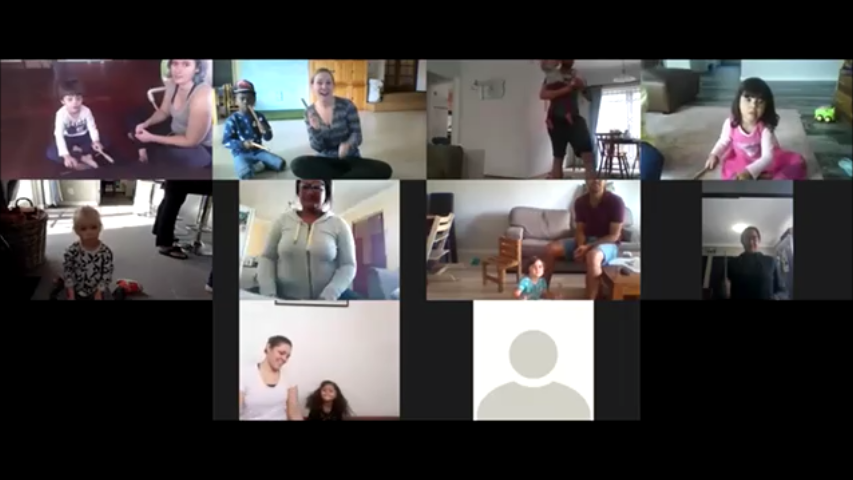
Music Class: Exploring Rhytmic Patterns, learning the Solfege Hand Signs and playing to Jazz

You can also download and print these pattern games we have created for you to do at home:

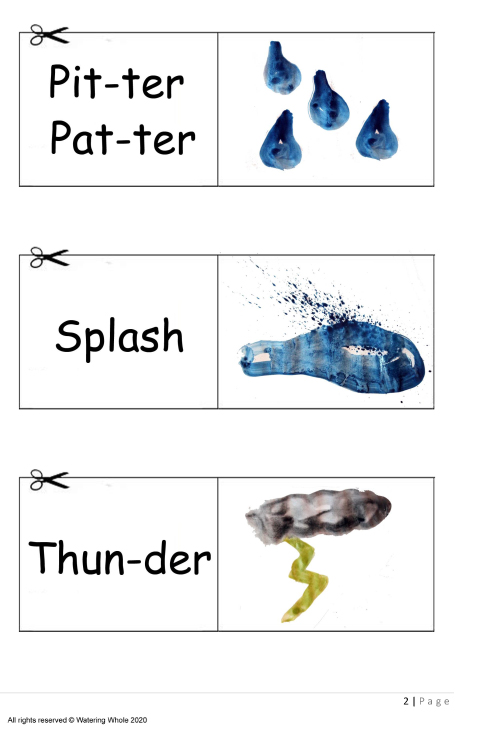
RAINDROPS AND RHYTHM GAME PDF

WHAT COMES NEXT? PDF

Music Time – Winter Theme

Welcome to a brand new section of our curriculum that we have been creating for you! Did you know that the critical period for auditory development is before the age of 6?

Watering Whole has a very strong focus on music because we know how important it is at this critical time in each child’s development. Our focus on music not only helps to develop musicality and rhythm, but also helps each child with cognitive function, language development, emotional regulation and even helps their memory systems to work!

Our new weekly music time focuses on 3 main foundational areas:

1 – Rhythmic Development – this week raindrops (call and response)
2 – Pitch Development and Solfege hand signs – this week introducing C/DO
3 – Rich and Varied Music Exposure – this week Vivalidi’s 4 Seasons (Winter section)

Although not mandatory, if you are interested in further developing your child’s sense of pitch we would recommend you may want to consider purchasing some sort of Xylophone or Resonator Bars to play along with during music time. A lot of the musical instruments that we own can be ordered from https://polliacks.co.za/

Winter Themed Dance Class

Let’s develop those gross motor and dance skills this week with this special Winter themed Intellidance Class.

Benefits include:
•Increasing co-ordination, balance, and flexibility.
•Fostering rhythmic awareness and the ability to move to the beat.
•Developing musicality through exploration of sensory props, songs, music and movement.
•Developing spatial and body awareness.
•Supporting individual creativity and expression.

Music – Intro to Solfege Scale

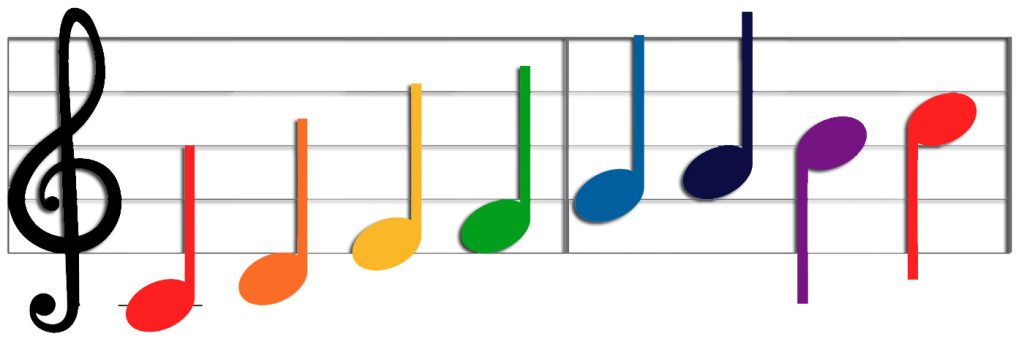
Learning the correct colours of the rainbow with the Solfege (Do-Re-Mi) scale.

Introducing the Solfege scale is a traditional, and very effective way, to teach the foundational language of music.

Children will begin to understand the concept of intervals and the sound of each note of the scale.

Benefits include – developing your child’s ear for music and their ability to “hear” and predict music in their head.

Let’s learn the degrees of the solfege scale together (Do, Re, Mi, Fa, So, La, Ti, Do) whilst learning the solfege colours (also the same colours of the rainbow – red, orange, yellow, green, blue, indigo and violet).

video

Gross Motor Fun with Birds:

Each week we start off our Intellidance classes with a BrainDance. Developed by Anne Green Gilbert, BrainDance is comprised of eight developmental movement patterns that warm up the body and integrate the brain namely:


Breath: Breath not only provides our brain and body with the oxygen it needs to fully function, but can also ease feelings of stress and anxiety.


Tactile: Touch develops body awareness and sensory integration.


Core-Distal: Body extension and contraction strengthens children’s connection with core muscles for proper body alignment.


Head-Tail: Moving the head and pelvis develops awareness of the relationship to each other and increases spinal mobility.


•Upper/Lower: Young children need to organize upper and lower body independently before they can synchronize them together.


Body Side: Moving body sides balances the body so that both right and left sides have equal strength and mobility.


Cross Lateral: Cross-body movements help the left and right hemispheres of your child’s brain connect and co-ordinate which is important for developing full cognitive function.


Vestibular: The vestibular system helps humans analyze the relationship between body parts and their movements in relation to each other, as well as the relationship between the body and the general space. This is important for developing body awareness and balance responses as well as processing sensory input.

This week we will be doing a bird themed BrainDance with Teaching Inger…..

BIRD THEMED BRAIN DANCE

video

Let’s get out our binoculars and explore all of the birds around us….

Breath – Can you hear that?….Let’s breathe in and hoot like an owl three times.
Tactile – I see a guinea fowl, with its beautiful spotted feathers….Can you pat and brush your feathers all over your body?
Core Distal – Can we make our bodies small like a tiny egg…oh look, the baby birds are hatching. Can you crack out of your egg and become a big baby bird?
Head-tail – Slowly turn your head from side to side like an owl, what about pecking your head up and down like a chicken? Can you wiggle your tail feathers?
Upper – Move your wings like an eagle flying.
Lower – Run around like an ostrich.
Body-Side – Let’s try balancing on one leg like a pink flamingo, now the other… Now waddle like a duck from side to side.
Cross lateral – Can you make some chicken wings with me? One wing at a time ….Show me your pointy elbow, lets tap tap tap our elbow wing, show me your other pointy elbow let’s tap tap tap the other side.
Vestibular – Can we whoosh our upper body flying and soaring up and down and side to side? Can you spin around like a bird feather twirling in the sky?