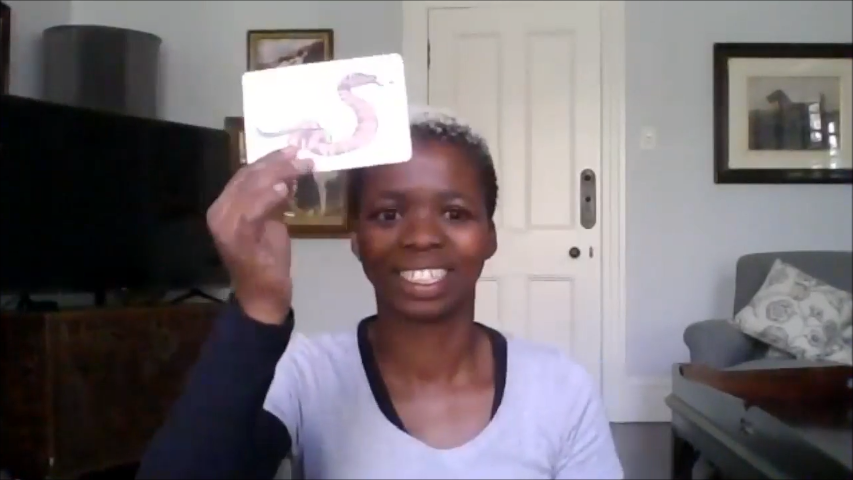
Xhosa on Zoom – Week 2
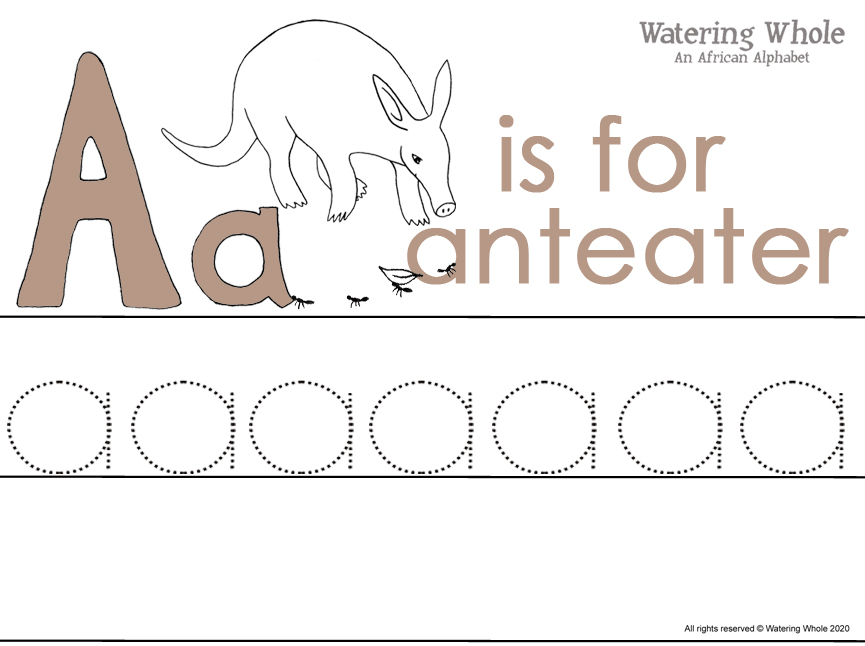
Learning points: help children to say the sound “a”, recognise the sound “a” in different words and help older children to recognise the visual formation of the letter “a”
Did you know….identifying the sounds in a word is an important foundational skill needed for reading and writing? Sound identification always starts with identifying the first sound in a word, then later the last sound and finally the middle sound.
As we explore our African Alphabet together we are starting to help our children identify the first sound in words.
Let’s sing all about ants and learn to count to 10 with this well known children’s song called “The Ants Go Marching “
Do you know who likes to eat Ants? Anteaters! What other words begin with “a”. Let’s explore together…
| Additional supports to download: Anteater Colouring Sheet Anteater Worksheet for Giraffes (letter formation) |

Fill the bottom of a tray with sand/flour/salt or even shaving cream. Give your child the visual letter card to copy and invite them to draw it in the tray with their finger.
Benefits include: Development of fine motor skills, hand eye co-ordination, development of the sense of touch, letter recognition and letter formation.
Every child is different, but we recommend introducing tactile letter formation activities such as these around 4 years of age. After your child has mastered shapes.
Watering Whole @Home Curriculum Week 2
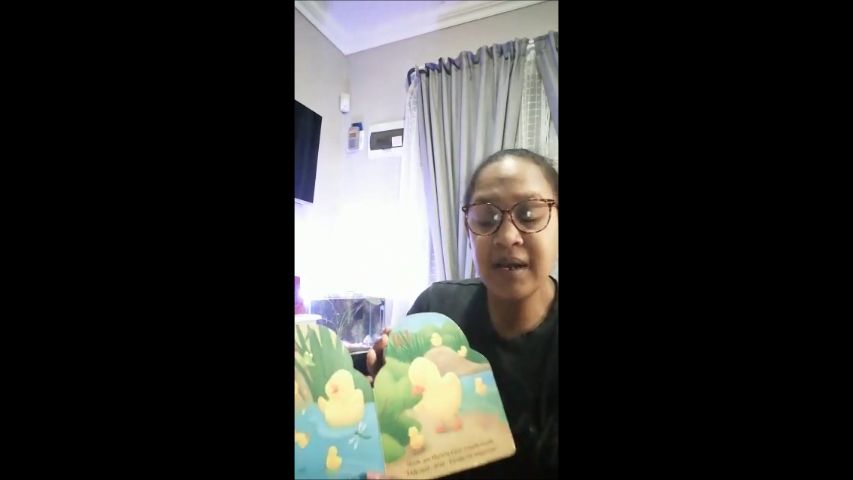
Join teacher Sam as she reads an Afrikaans story and talks about the letter A in Afrikaans.
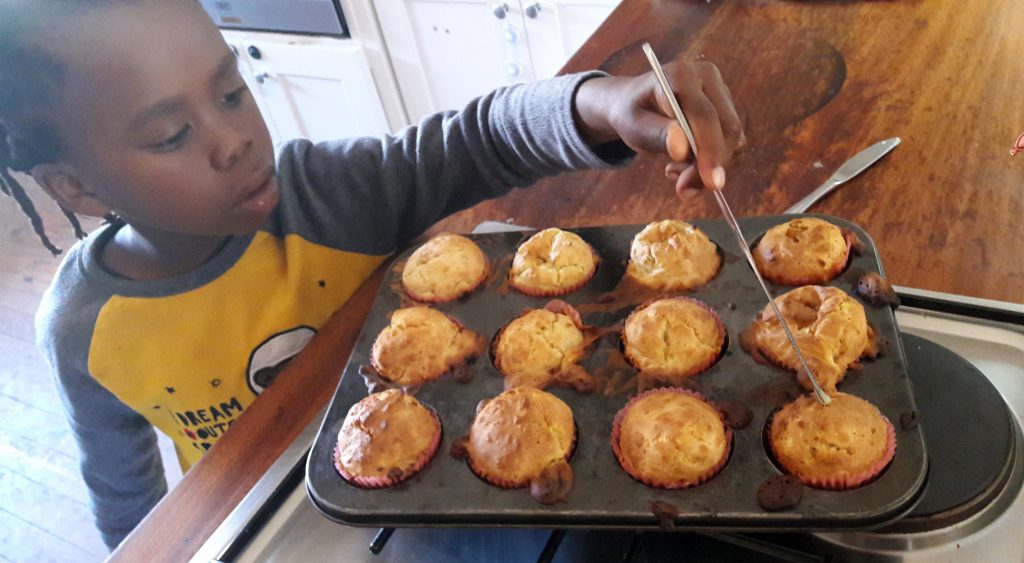
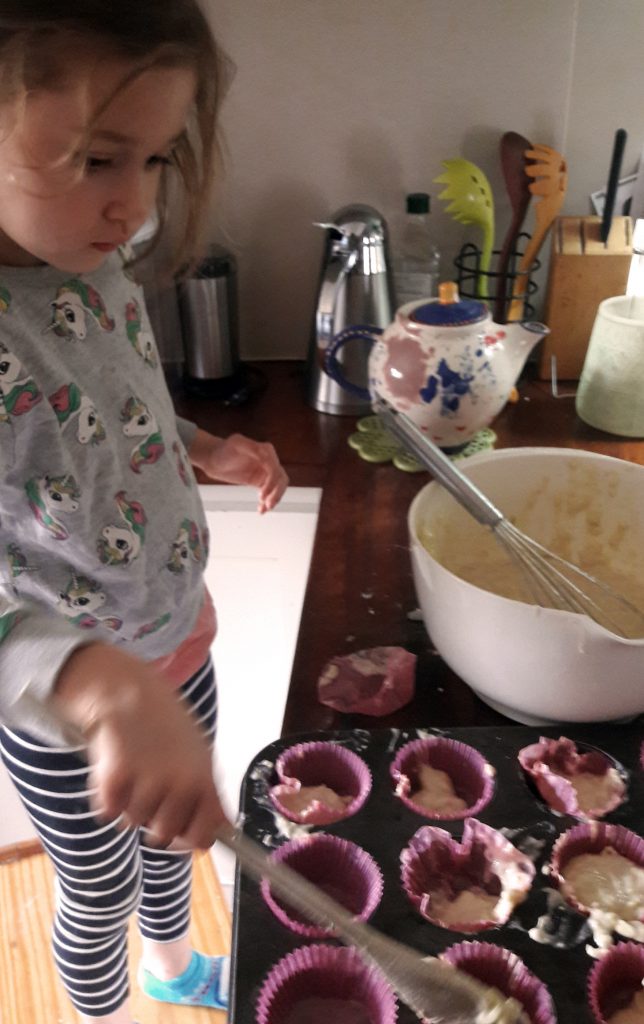
Let’s make sugar free, easy Apple and Cinnamon muffins
Mix together:
2 and a half cups of plain flour
2 Tsp baking powder
A pinch of salt
2 eggs
350 ml milk
6 TBS vegetable oil
Cinnamon
X2 Grated Apples
Spoon mixture into muffin cases, filling them two-thirds full. Bake for about 25min until a skewer inserted in the center of a muffin comes out clean.
Join Teacher Inger this week as we explore the primary colour RED and sing her original song together “Red is the colour of a ladybird”

Apples are red! and some insects like ladybirds are red too! What other things are red? Let’s explore together…
Did you know our African Anteater loves to eat ants and bugs and all sorts of insects? It uses its long, sticky tongue to lap up to 50,000 insects a night from inside termite mounds or underground ant nests.
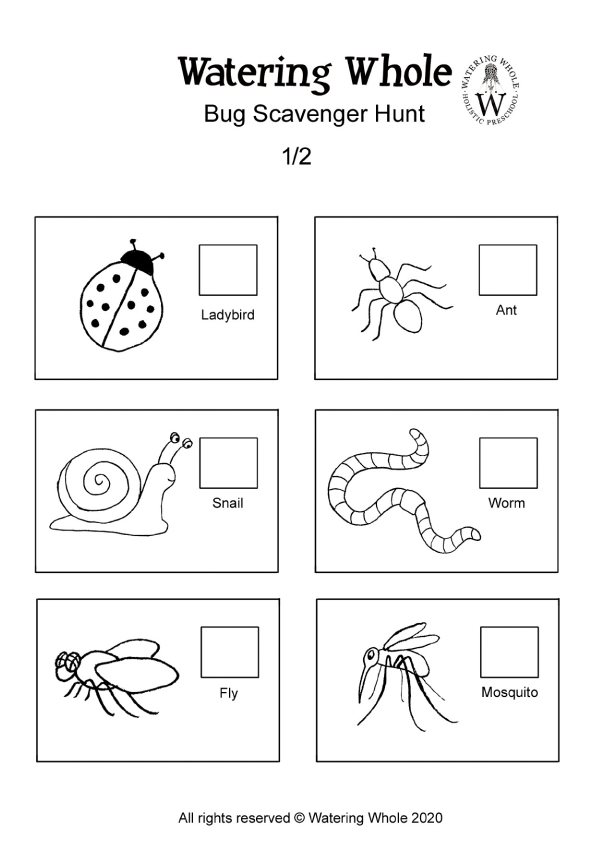
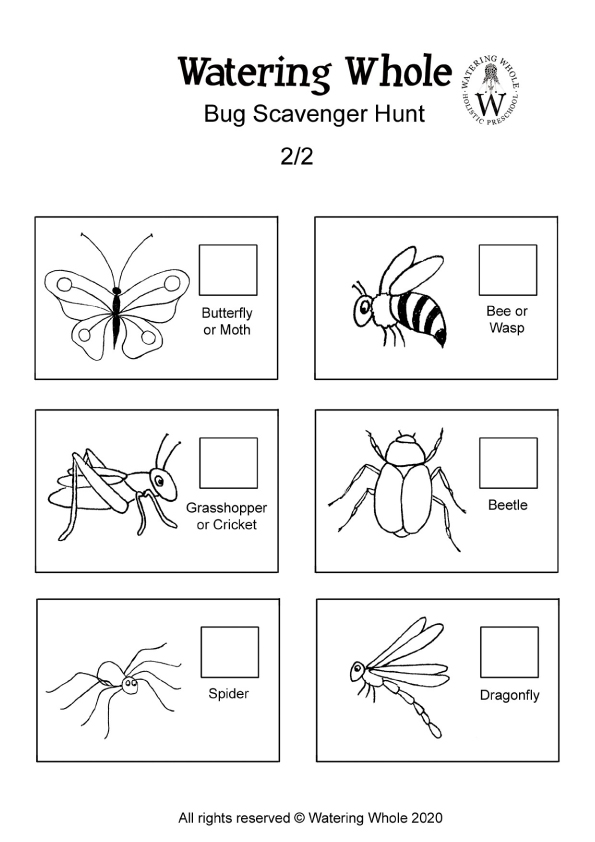
This week let’s explore our gardens and see what kinds of bugs and insects we can find.
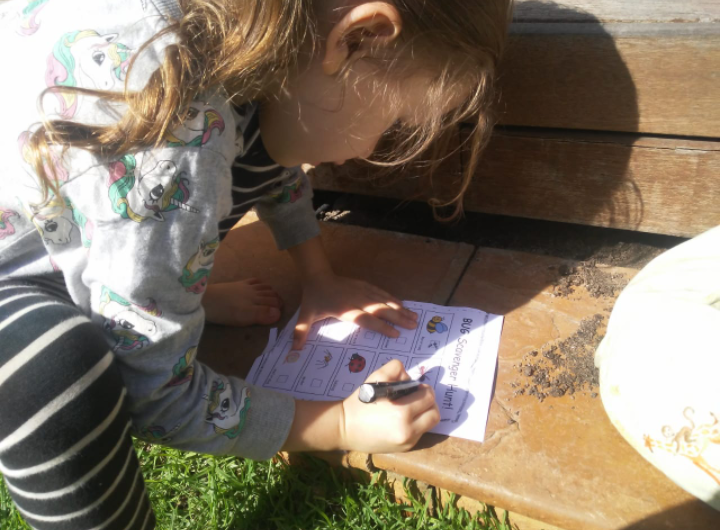
Benefits include: Observations skills, learning about nature, early maths through “data collection” and “analysis”, fine motor skills and hand-eye coordination from ticking/crossing off on the list, language development as you explore and talk about texture, colour, shape and size, learning how to be gentle with other living creatures and also learning the names and habits of different kinds of insects, where do they live? What do they eat? And why are they here?
Download Bug Scavenger Hunt PDF here
Watering Whole @Home Curriculum Week 2
Here is a simple craft activity that links in beautifully with our concept focus (the colour red), and our Nature focus (bugs) and can be used for a fun counting activity too. For this activity, you will need ten ladybirds made out of an egg carton. Invite your child to paint the egg carton red like a ladybird and when it is dry cut out your lady birds and stick on/draw googly eyes. You will then draw one black spot on the first one, two spots on the next one, three spots on the next one, and continue this pattern up to the number 10.  The goal of the activity is for your child to count the ladybug spots and then put the ladybugs in sequential order from 1-10.  Additional ideas: You can also put the corresponding number inside of each egg carton for your child to check their counting. You can also give the child dried beans to count out and put the correct number in each egg cup.   |
“As a paediatric physiotherapist I absolutely LOVE obstacle courses!
They provide an exciting opportunity to cater to your child’s sensory and motor needs while having fun. In addition to the sensory and physical benefits from doing the obstacle course your child may get a chance to practice valuable skills such as following simple to complex instructions, sequencing, short term memory, motor planning and imaginative play.
I hope you have fun thinking and planning WITH your little ones to see what you can add to your #lockdownobstaclecourse. Please feel free to tag @wateringwhole and @juliaphysio if you upload your videos on Facebook 🙂
Tips for setting up:
Try to include a variety of age appropriate activities that include some or all of the following:
 Last week in EQ we talked a little about the ways in which we can emotionally help our children cope during this extremely difficult time. One of the most important ways we can do that is by creating a “new normal” together using routines and play: “The brain thrives on predictable patterns. Our daily and weekly patterns have been turned upside down without warning. Creating a new normal begins with a new daily routine. Families with older children can work together to co-create your new daily schedule (co-creating gives children a way to exert some control over the situation), while parents of younger children will create the schedule for them. Plan it, draw it, label it, post it somewhere obvious and refer to it often so children know what to expect.” – from the creator of the feeling buddies At Watering Whole preschool we have a daily visual routine that the children like to check to see what activities are happening that day. Sometimes if a child is missing home we will take the child to look at the visual routine to see what activity is next and also when they will be going home again. This gives them reassurance and creates a sense of predictability and safety.  Let’s make a visual routine together this week as part of our life skills and EQ work. You have the option of drawing up some images yourselves or you could use the printables from this week’s resources provided to print out, colour in, cut out and stick up your own routine. Download WWHP Visual Routine here.  Special thanks goes to Kjersti Smith from https://www.kjerstismith.com/ who has illustrated this visual schedule especially for the Watering Whole! An example of a routine could be: Wake up, get dressed, eat breakfast stretch/exercise/play Exploration/Learning Time Snack Free play Lunch Quiet time/nap time/reading time (read books together) Project Time/guided play (art work/baking/puzzles/printables/science and nature etc) Family Time (Dance party, sports, concert/show, etc) Dinner Time Bath Time and Brush Teeth Story Time Bed Time Did you know Visual schedules will decrease anxiety, reduce conflict and power struggles, help build executive functions like prioritisations, flexibility and time management. |
© 2012-2026 Watering Whole Holistic Preschool All Rights Reserved