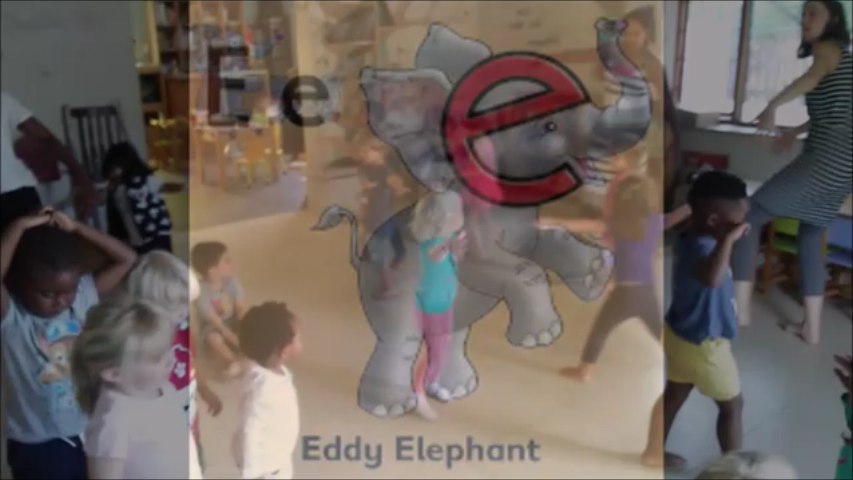
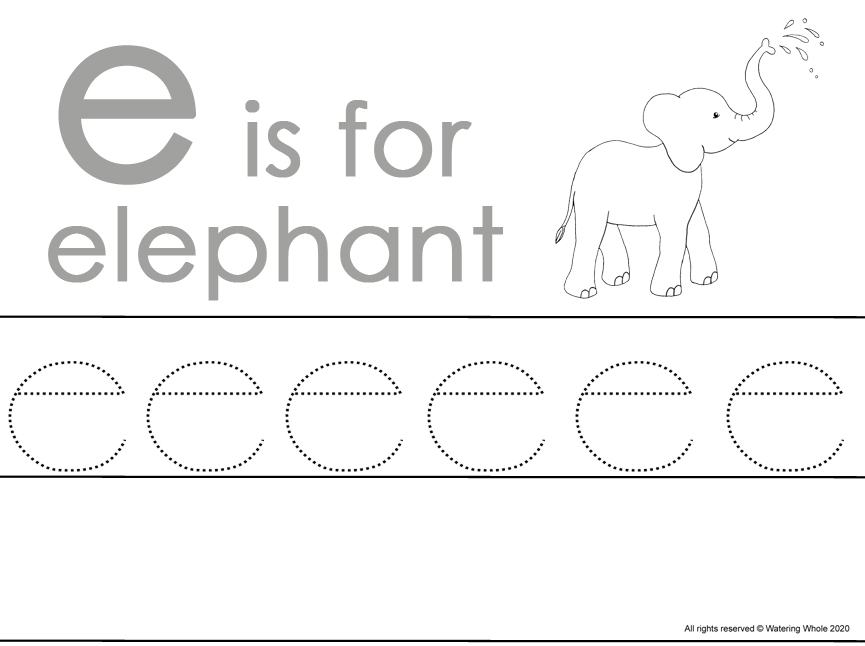
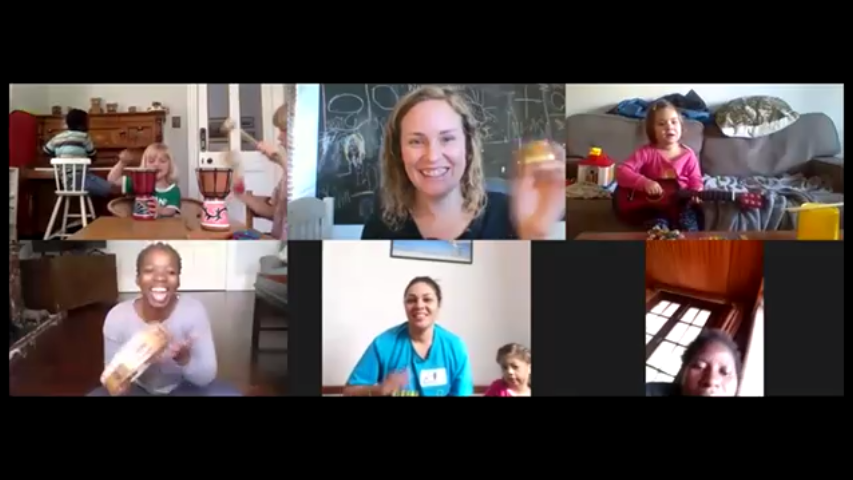
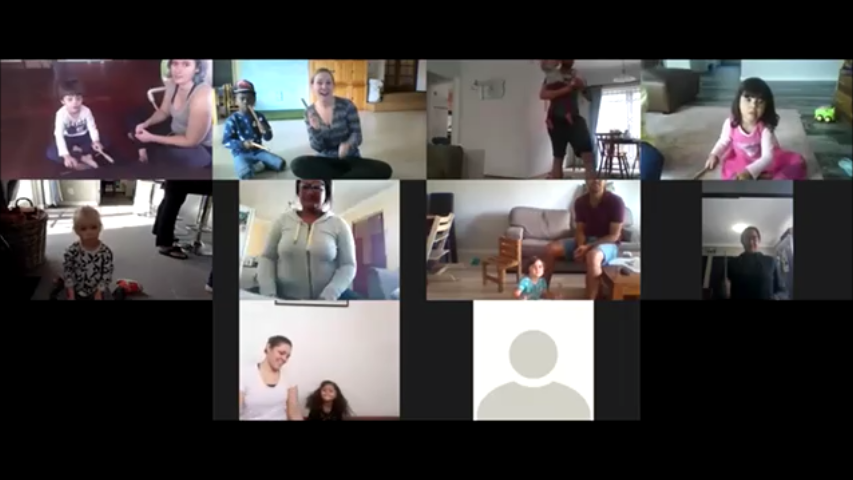
Learning points: help children to say the sound “e”, recognise the phonetic sound “e” in different words and help older children to recognise the visual formation of the letter “e”.
Do you know elephant starts with the letter “e” and egg? What other words begin with “e”. Let’s explore together….
Fill the bottom of a tray with sand/flour/salt or even shaving cream. Give your child the visual letter card to copy and invite them to draw it in the tray with their finger. Benefits include: Development of fine motor skills, hand eye co-ordination, development of the sense of touch, letter recognition and letter formation.
This week we are exploring the colour Purple. Let’s have fun learning about the colour purple with this fun song all about a purple elephant by Teacher Inger:
Purple elephant song and introduction to size and dynamics by Teacher Inger
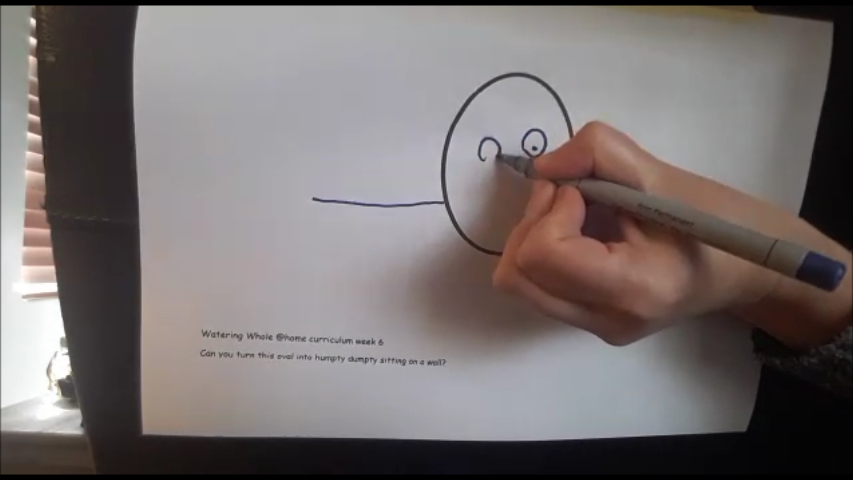
Did you know…. Nursery Rhymes lay the foundation to early language and literacy development?
Research shows that rhymes help children to grasp the rhythm of language and break down phrases into words and words into sounds; an important skill needed to be able to read and write.
The repetitive structures used in nursery rhymes are also your child’s first introduction to early maths skills as it introduces patterns and many rhymes will often also include numbers and counting too.
Did you know an African elephant can weigh between 2000 to 6000kgs…making them the largest land animals.
Here is a fun experiment you can do with your whole family:
Weigh each member of your family and calculate your total weight…can you work out how many of your family’s total weight would make up the same weight as one elephant?
Or alternatively how many of your child’s weight would make up the same weight as one elephant?
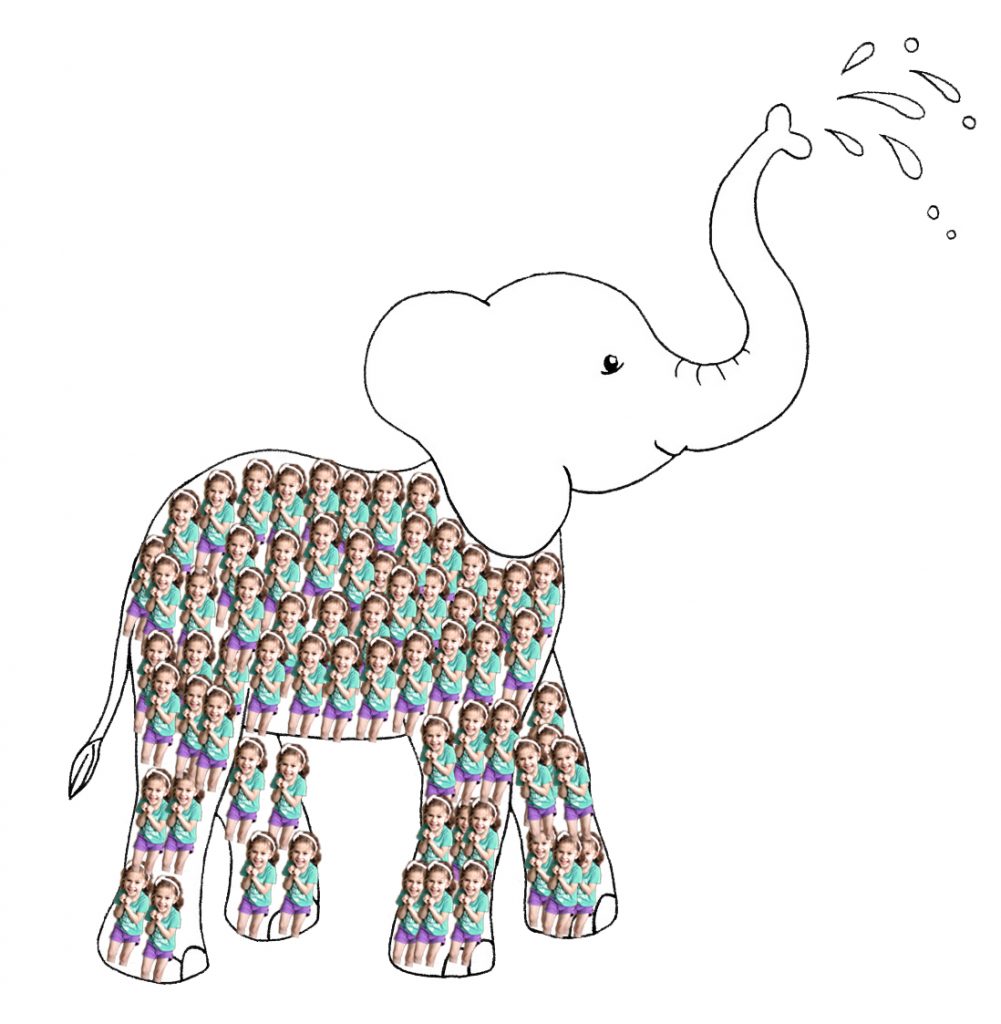
We worked out that it would take 133 Kamalis to make up a 2000kg elephant 400 Kamalis to make up the weight of one 6000kg elephant!!!
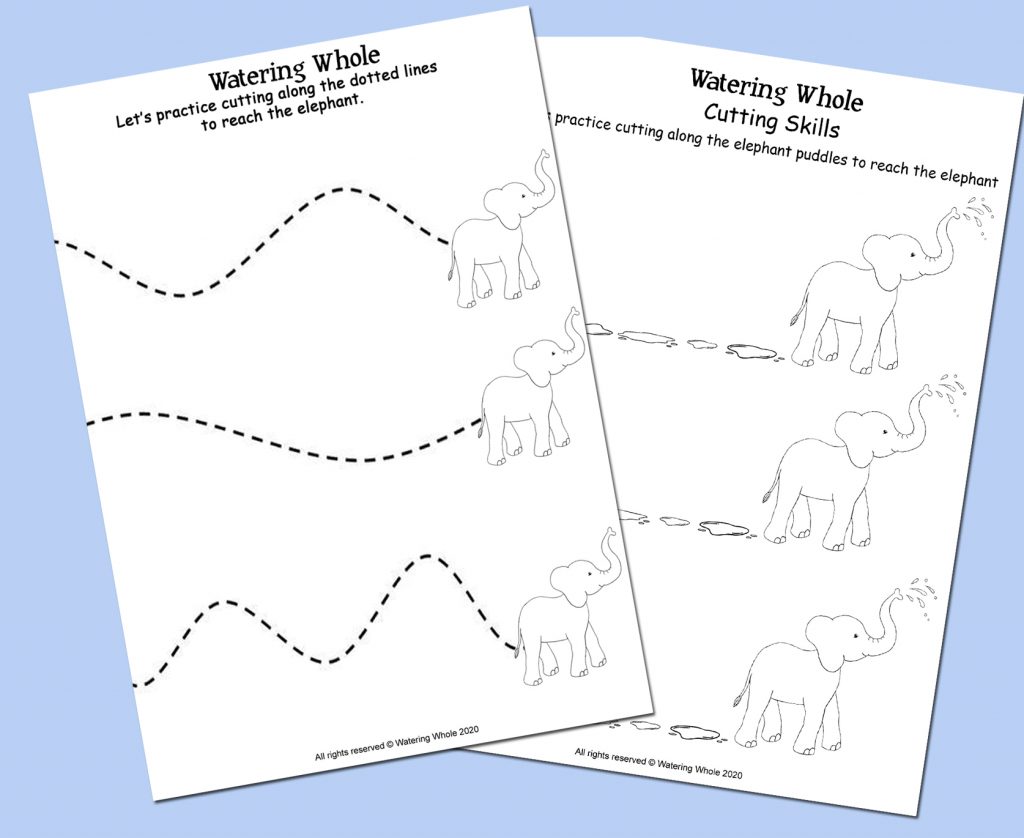
We have been working with our illustrator on some wonderful cutting activities for this week. Have fun cutting along the straight puddles and squiggly paths made by the elephant!
Cutting Benefits include: Focus and concentration, strengthening of hand muscles, hand eye co-ordination, bilateral co-ordination from holding scissors in one hand and paper in the other.
Cutting skills take time and practice to develop. Children should start showing some competence around 3-4 years, but these skills are generally only fully developed around 6 years of age.
For the younger children, tearing paper and cutting dough using blunts scissors is a wonderful way to start working on these skills.
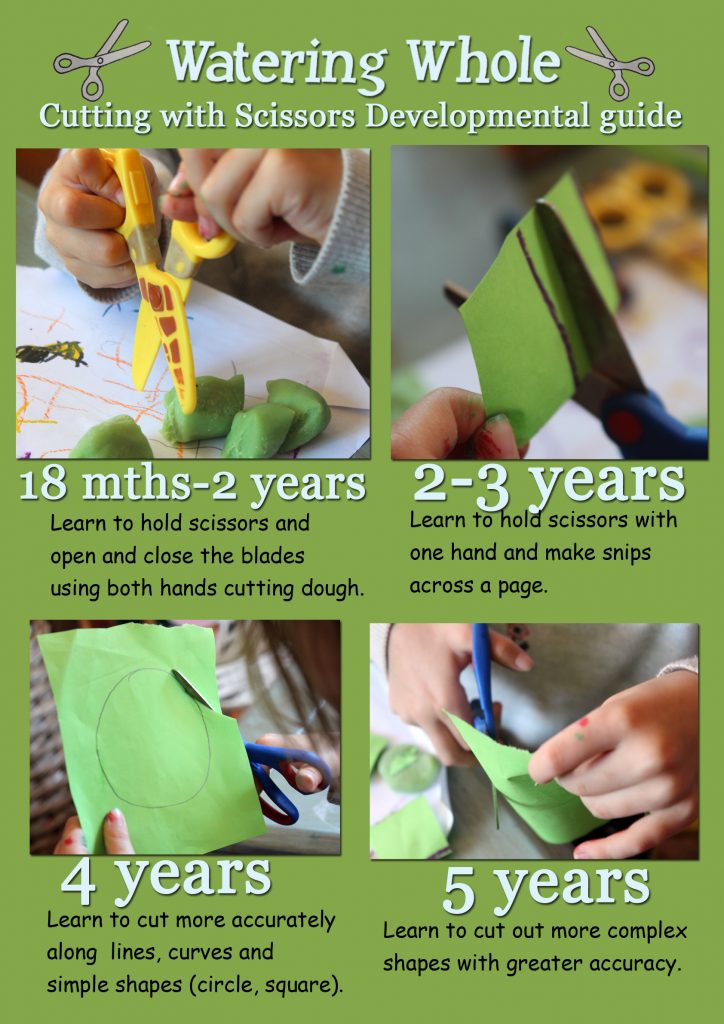
Each child is different and will develop at their own pace, but here are some guidelines of what to expect depending on their age:
18 months: Ripping and play dough play. Children exercise their tripod grasp as they grip the paper to rip it. Ripping also requires children to move their hands in opposite directions at the same time which helps develop bilateral co-ordination skills.
2 years old: Once your child has learnt to hold scissors, open and close the blades using both hands and has spent time cutting dough and tearing paper with hands, they can start to master opening and closing the scissors with one hand and move on to making small snips on the paper.
3 years old: Remember to always encourage a “thumbs up” position while holding the scissors. Help them learn to hold scissors with one hand and make snips on the paper while moving the scissors forward across a page. Make this easier by keeping the size of the page they are cutting small. Cutting will not be accurate or be a continuous forward motion.
4 years old: Your child will learn to cut more accurately (near to the line). Work on cutting along a straight line at first, and then a curved line and then different simple shapes (circle, square).
5 years old: Your child will learn to cut out more complex shapes with greater accuracy.
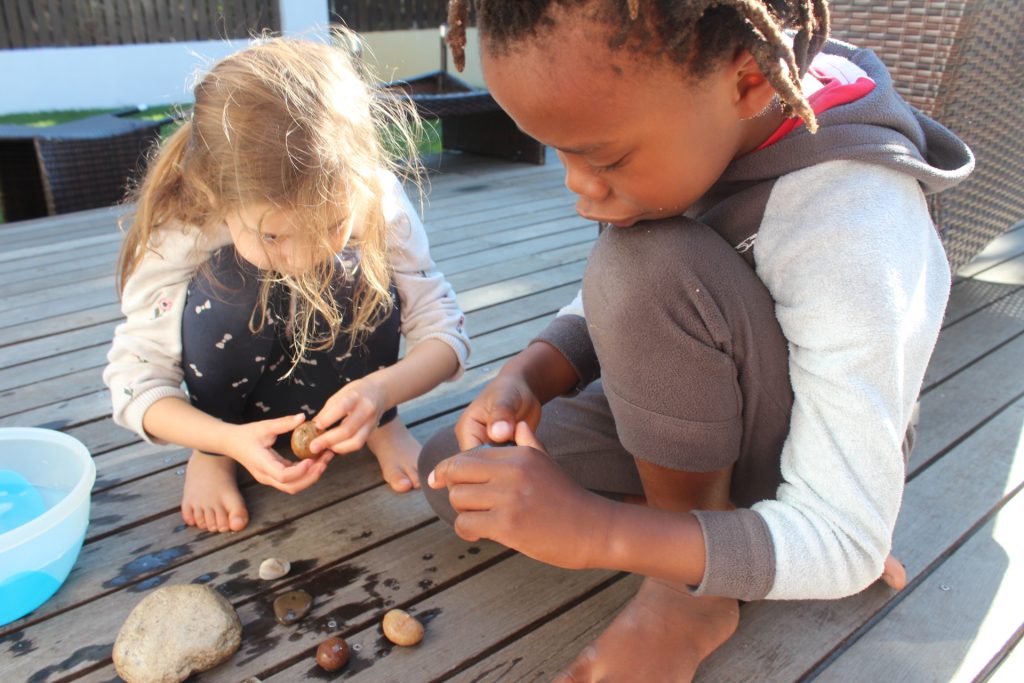
In this week’s story Eddy Elephant really wants a pet and Peter Puppy shows Eddy some of his wonderful pet rocks! This week we invite our Watering Whole families to create some pet rocks of their own.
Pet rocks are a wonderful way to teach responsibility as well as ignite the imagination and cultivate creativity.
Step 1:
Spend some time in your garden searching for the perfect rocks that would make wonderful pets. Learn all about size, shape, texture and colour as you explore!
Step 2:
Clean and dry your rocks before you start to paint them. Sort the rocks in different categories…which ones are smooth, which ones are rough, which one is the biggest, which one is the smallest etc.
Benefits include helping children develop visual acuity and have a better understanding of comparisons/differences and patterns which are an important foundation for both language and maths.
Step 3:
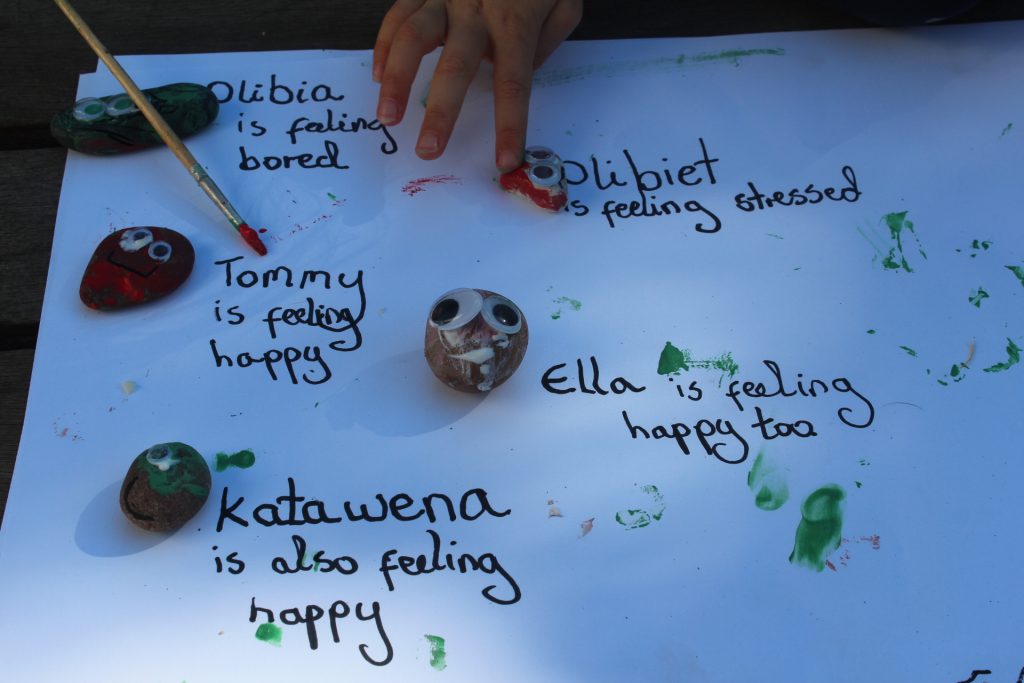
Choose different colours for your different pets and add googly eyes or paint on some eyes of your own. You could choose to create different rocks with different feelings here too. Ask your child do you think this pet is feeling happy or sad… angry or scared? And draw on the different feeling expressions (see the feeling buddy lesson from last week for the feeling buddy expressions)
Step 4:
Name your pets! This can be a really fun game as your child comes up with different names and personalities and stories about their pets…what they like, what they are afraid of ,etc… A child can process so much of their own experiences, through stories they create around toys, pets and games which plays a crucial part in early development.
Step 5:
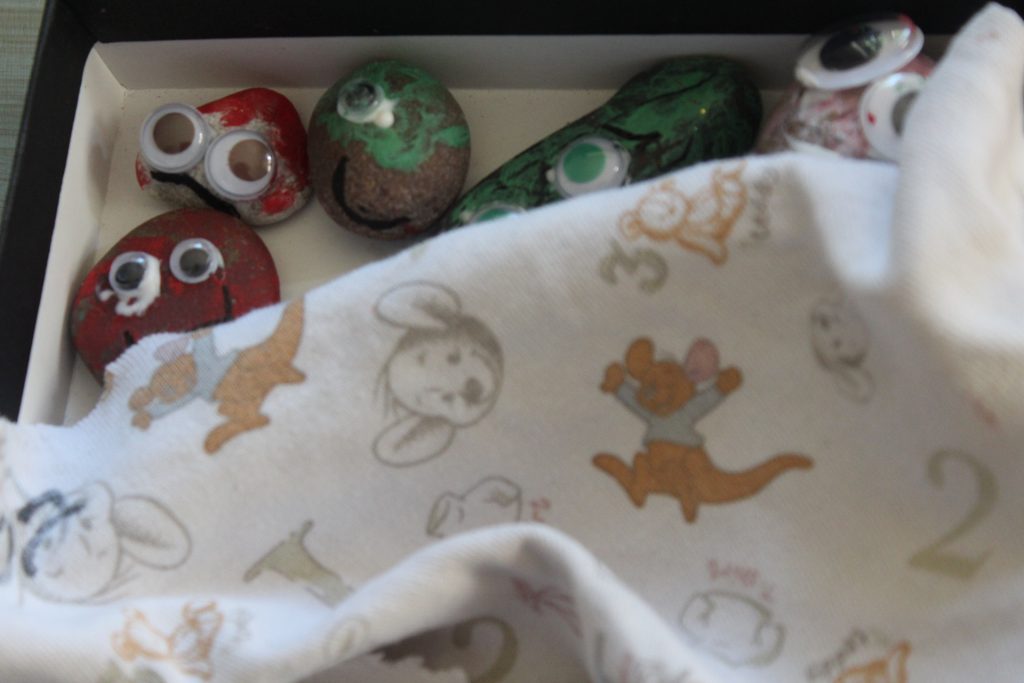
Create a home for your pets. This could be a shoe box or a basket, a nest or a doll house… Get creative and talk to/ask your child about all of the important care that pets need such as shelter, food, water, love, etc.
Kamali had so much fun creating a bed for her pets, feeding them and looking after them 🙂
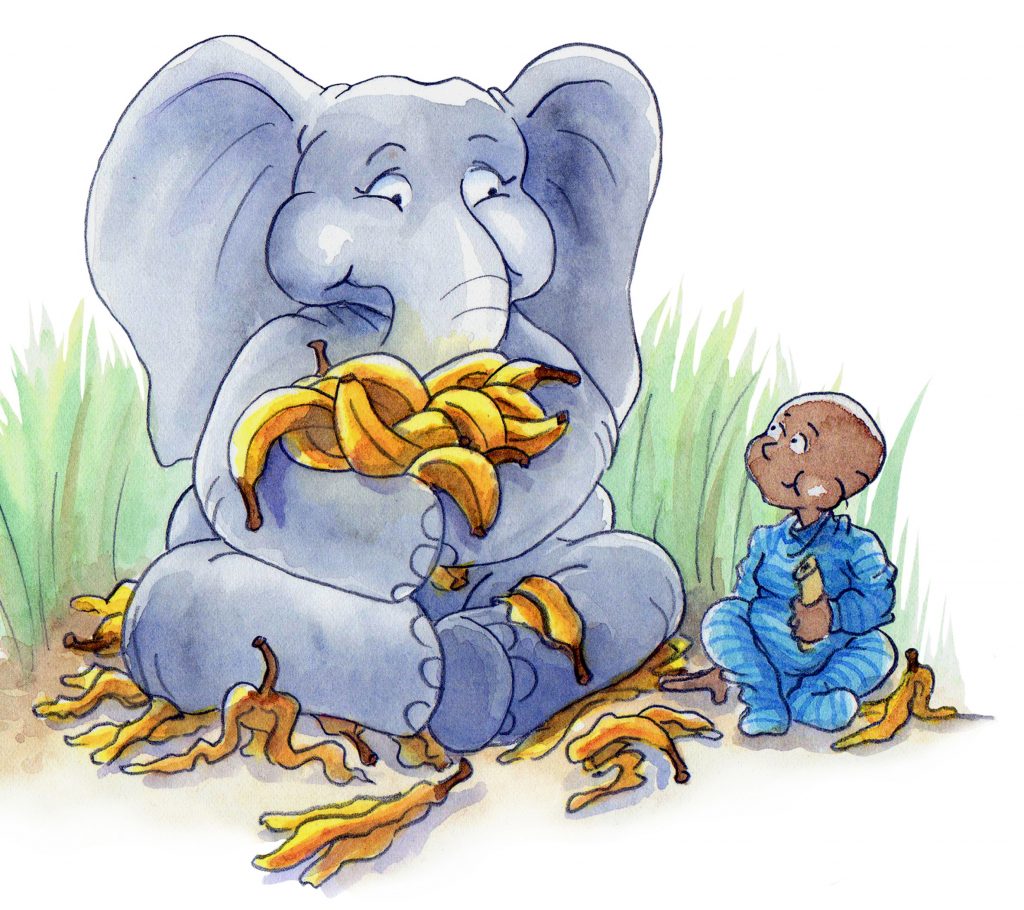
Did you know that elephants can spend 12 to 18 hours a day eating. Wild elephants will eat as many as 200 plant species during the course of a year, but their preferred staple food is grass, lianas, wild palms, wild bananas, various shrubs, the leaves and bark of certain trees. Adult elephants can eat between 90 to 300kgs of food a day!
Let’s make something with bananas this week.
This is a very simple and fun recipe to do with your little ones. Cutting bananas is always a huge hit, because they are nice and soft to cut and you can use a blunt knife to do it. This is wonderful for fine motor development and hand-eye co-ordination.
Invite your child to peal and slice about 6 or 7 bananas, placing them on a baking tray so they don’t all freeze in one large clump. Freeze for about 30min and then blend together with a couple of table spoons of cocoa powder. We also added come coconut milk to ours….and voila…vegan chocolate ice-cream!